




Read More: San Diego MTS Approves New All-Electric Bus Route
San Diego MTS Board of Directors Approves Measures to Innovate Transit System
One of the approved measures was bolstering the agency’s security personnel by adding 34 more Code Compliance Inspector (CCI) positions to help patrol its transit system.
September 15, 2023
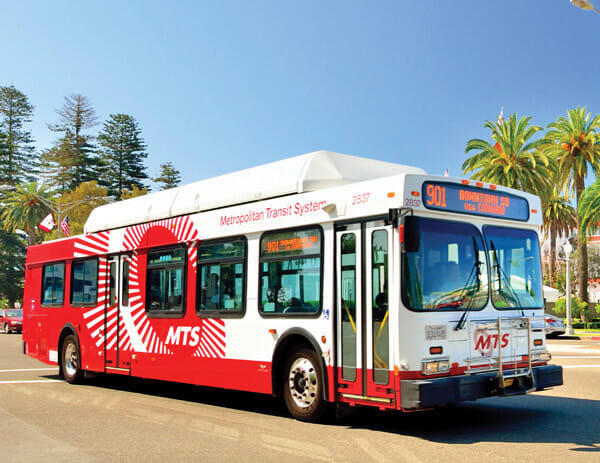
The decision to increase the number of CCIs and other members of the security team was made after community engagement with internal and external focus groups, and a customer satisfaction survey to measure rider and employeesentiment towards security presence on the MTS system.
Photo: San Diego MTS
2 min to read
The Metropolitan Transit System (MTS) announced that the Board of Directors approved a series of measures that will aim to improve operations, accessibility, and security across the MTS transit system.
These measures include the implementation of a credit card tap-to-pay feature, which will allow riders to tap their physical credit cards or smart devices enabled credit cards on PRONTO validators on MTS or NTCD transit stations and bolstering the agency’s security personnel by adding 34 more Code Compliance Inspector (CCI) positions to help patrol its transit system.
This approved increase will boost the total number of CCIs patrolling the system from 56 to 90 – a 60% increase.
The agency also has 200 private security officers deployed through its contracted private security firm, Inter-Con.
“The security and comfort of our riders, and employees is MTS’ main priority, said Stephen Whitburn, MTS Board Chair. “A stronger presence of security on the system and a more efficient payment system for riders on the go is something we’ve heard from the community, and today’s action put words into action.” “I want to thank the MTS stakeholders and riders who have provided feedback on these initiatives and I think it will go a long way toward bringing even more riders back to the system.”
The option to pay for transit fares directly with a physical card or smart device-enabled credit cards was considered after numerous workshops with stakeholders from MTS, North County Transit District (NCTD), California Integrated Travel Project, fare system vendor INIT, credit card gateway provider NMI, and payment processor Chase to discuss the most viable way to introduce open payment methods for riders.
MTS Efforts for Approval
The decision to increase the number of CCIs and other members of the security team was made after community engagement with internal and external focus groups, and a customer satisfaction survey to measure rider and employee sentiment towards security presence on the MTS system.
Additionally, MTS staff met with numerous committees, such as the Security and Passenger Safety Community Advisory Group (CAG), the Community Advisory Committee (CAC), and the Public Security Committee to identify areas of improvement for the agency’s security protocols and personnel training.
The hiring of additional security personnel will allow for increased coverage for the Trolley Train Teams and Bus Enforcement Team, and the ability to have daily coverage for the Passenger Safety Team and the Homeless Outreach Team. The total annual cost for this increase in security staffing is approximately $4.2 million.
More Management
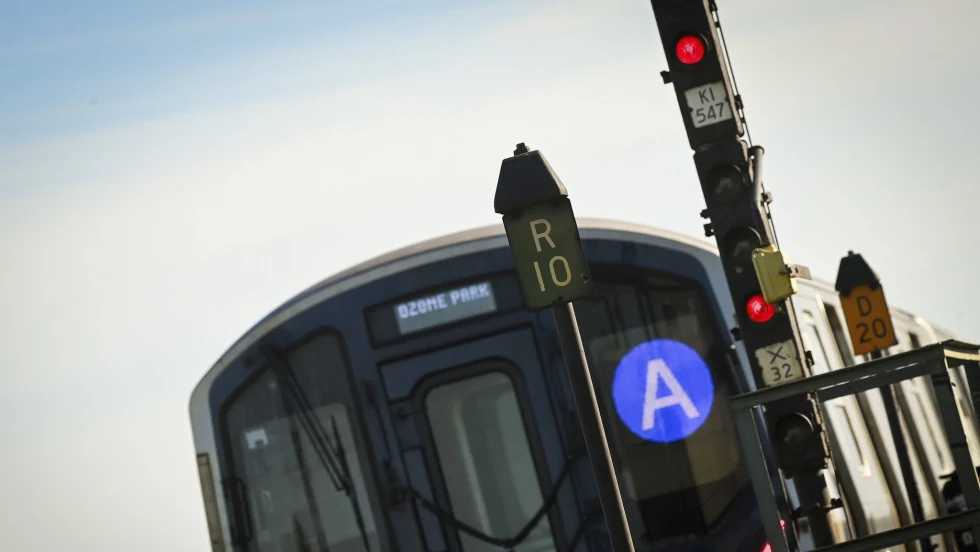
New York MTA Launches Historic $1.9B Signal, Track Modernization Project
Funded in part by congestion pricing revenue, the project will replace nearly century-old signals along the A and C lines in Brooklyn and Queens.
Read More →
Brian Dickson on Building Stronger, More Resilient Transportation Organizations
Bus Business Consultants Founder Brian Dickson discusses the leadership principles, operational discipline, and strategic planning that separate transportation companies positioned for long-term success from those stuck in survival mode.
Read More →
LA Metro Breaks Ground on Vermont BRT Project
The 12.4-mile corridor is projected to serve 66,200 daily riders, reduce travel times by up to 24%, and create the nation's busiest bus rapid transit corridor.
Read More →
Building Stronger Leaders, More Resilient Transit Teams
Dr. Carol Parker Walsh discusses leadership development, employee retention, workplace culture, and preparing transit’s workforce for AI and automation.
Read More →
Roman Cornell on ABC Companies’ Evolution and the Future of Passenger Transportation
The company’s CEO discusses carrying forward a third-generation family legacy, ABC’s continued evolution in passenger transportation, support for increasingly complex fleets, and how technology and continued investment could help operators improve uptime.
Read More →
CATS Launches West Charlotte Microtransit Zone, Expands Transit Services
The new microtransit zone connects residents to key destinations as Charlotte Area Transit System rolls out the first phase of its 2055 Transit System Plan.
Read More →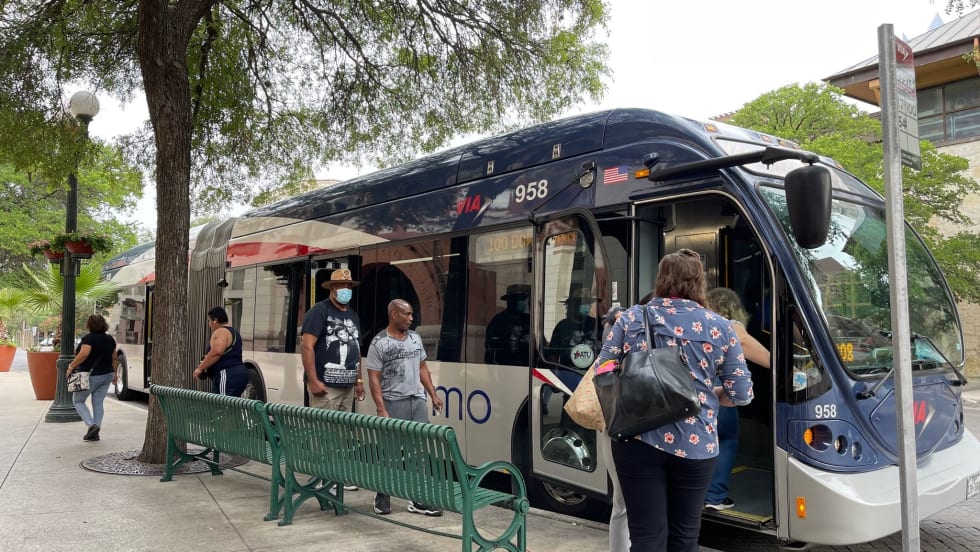
VIA Bus Ridership Grows 10.1% Through August 2026
San Antonio's VIA Metropolitan Transit reported the highest bus ridership growth among major Texas transit systems. Federal Transit Administration data ranked it second among the nation's 50 largest transit systems.
Read More →
CSA Group Releases Climate Resilience Standard for Transit, Passenger Rail
Developed with support from the Standards Council of Canada, CSA D700 guides assessing climate-related risks and planning adaptation measures for transit and passenger rail systems.
Read More →
ETA CEO John Maglio on Transit Technology, Innovation, and Building Agency Trust
ETA founder and CEO John Maglio explores the evolution of transit technology, the importance of reliable systems, and how stronger partnerships can help agencies improve operations and the passenger experience.
Read More →
COTA Launches First Customer Experience Action Plan to Improve Transit Service
The new plan outlines improvements to service reliability, accessibility, communication, and the overall rider experience across Central Ohio's transit system.
Read More →