




Read More: Why CharterUP Chose Austin for HQ
New John A. Volpe National Transportation Systems Center Opens
The new facility will replace the Center's six existing buildings and surface parking lots with a highly energy-efficient, climate-resilient structure that will house multiple agencies.
September 21, 2023

The new facility is expected to reduce emissions by over 50% from a typical building and achieve LEED Platinum certification.
Photo: U.S. General Service Administration
3 min to read
Leaders from the Biden-Harris Administration representing the U.S. General Services Administration and Department of Transportation (DOT), the Massachusetts Institute of Technology (MIT), and others cut the ribbon on the U.S. DOT John A. Volpe National Transportation Systems Center.
The event celebrated the completion of the $750-million project over the past decade to design and build a sustainable DOT facility.
“Since its establishment in 1970, the Volpe Center has been the engine for research, innovation, and deployment for U.S. DOT and beyond. The experts who come to work every day for Volpe are an integral part of the DOT family,” said Carlos Monje Jr., U.S. Under Secretary of Transportation for Policy. “And, after long last, Volpe has a headquarters worthy of its critical mission, its staff, and its strategic location.”
The Center's History
In 2012, DOT and GSA began conversations about the redevelopment of DOT’s 14 acres in the Kendall Square area of Cambridge.
In 2017, GSA entered into an Exchange Agreement with MIT to design and construct a low-emissions building as a new home for the Center on approximately four acres of a 14-acre site.
In exchange for the design and construction of the new facility, the federal government agreed to convey the portion of the property no longer needed by the federal government to MIT for mixed-use development.
“The Volpe development is a unique collaboration that benefits everyone involved,” said MIT President Sally Kornbluth. “Through their cutting-edge research and policy work, the center’s transportation experts will continue to serve the nation by grappling with crucial transport challenges – but now in a facility that reflects the quality of their far-sighted work. And on the acreage opened up by this unique arrangement, MIT will create an appealing new hub of activity in the heart of Kendall Square, a place for discovery and innovation, for grabbing a sandwich, for walking the dog, for making friends, raising kids – and meeting your next collaborator. We are grateful to our Cambridge neighbors for their patience and clarity about the essential qualities of their neighborhood, and to our GSA, DOT, and Volpe colleagues for engaging with us in such a forward-looking partnership.”
More Details of the Center
The Center is a federal organization that is 100% funded by sponsored projects.
Although the majority of its work is sponsored by DOT, the Center also lends technical support to over a dozen other federal agencies including the Department of Defense, NASA, Department of the Interior, and Department of Homeland Security, as well as state and local governments.
The new facility will replace the Center's six existing buildings and surface parking lots with a highly energy-efficient, climate-resilient structure that will house multiple agencies.
The new facility is expected to reduce emissions by over 50% from a typical building and achieve LEED Platinum certification. It includes triple-paned glass, heat recovery chillers, electric vehicle charging stations, a rainwater reclamation and reuse system, green and cool roof technology including a rooftop solar array, and an Advanced Building Automation System to optimize energy use.
As part of its plan for the remaining acres, MIT will work to create a dynamic mixed-use center, building on the Cambridge community’s extensive urban planning and visioning efforts to advance a plan that connects the neighborhood with new open space, pedestrian links, housing, retail, and science and innovation space.
More Management
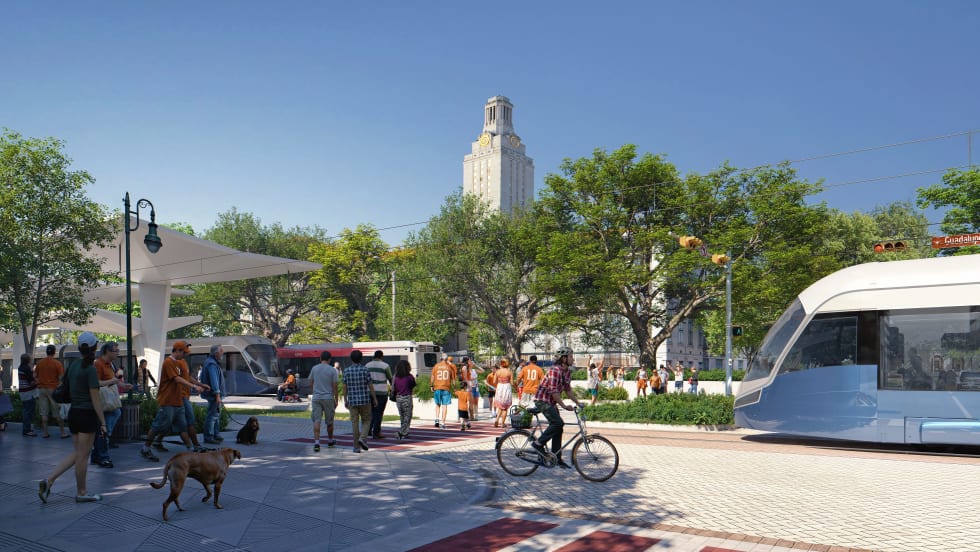
Bringing Austin’s First Light Rail System to Life
Austin Transit Partnership CEO Greg Canally discusses the city's nearly 10-mile light rail project, its collaborative approach to project delivery, the importance of community engagement, and the milestones ahead as construction approaches in 2027.
Read More →
ETA CEO John Maglio on Transit Technology, Innovation, and Building Agency Trust
ETA founder and CEO John Maglio explores the evolution of transit technology, the importance of reliable systems, and how stronger partnerships can help agencies improve operations and the passenger experience.
Read More →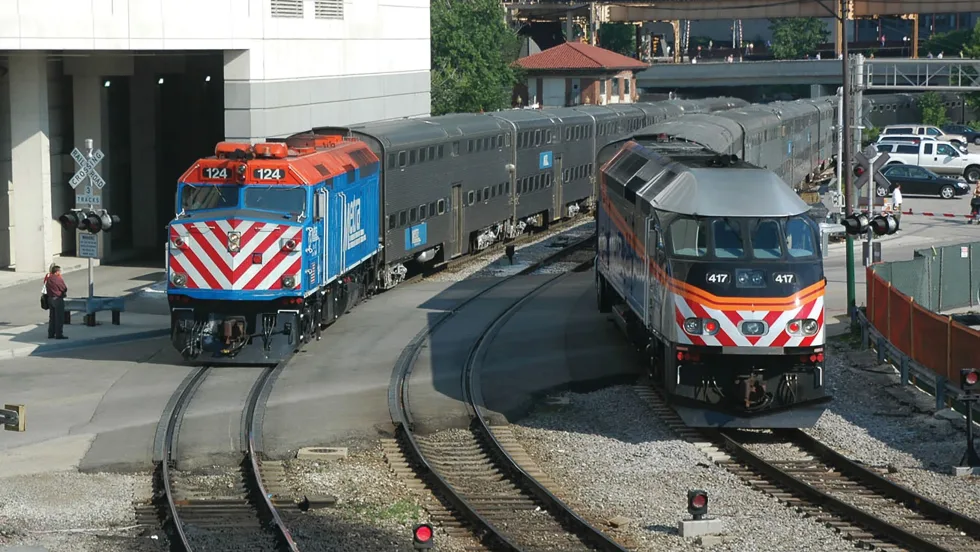
Metra Draft Plan Outlines Costs, Service Improvements for Regional Rail
The Systemwide Network Plan identifies infrastructure needs and potential investments to expand all-day, bidirectional rail service across the Chicago region.
Read More →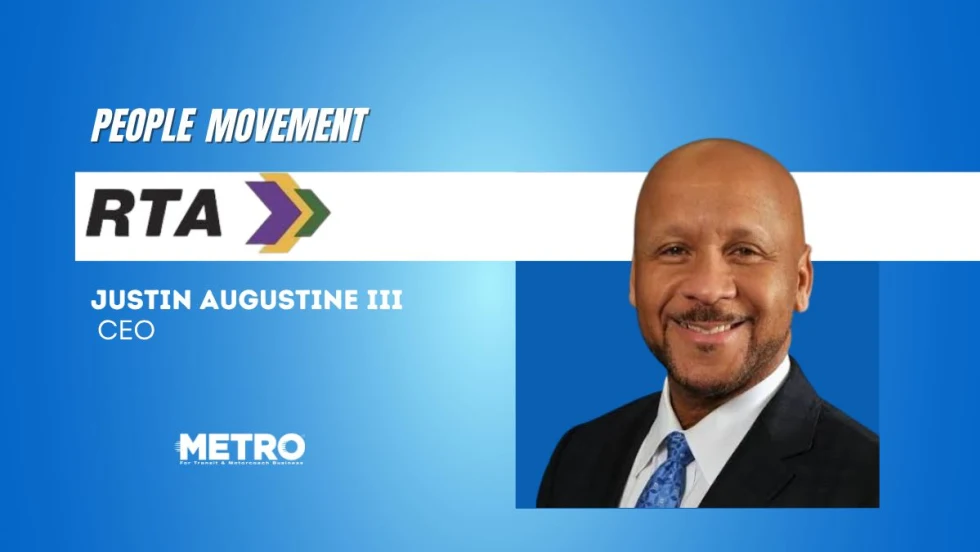
New Orleans RTA Names Augustine III as New CEO
In this edition, we also spotlight recent personnel moves at HDR, PATH, STV, and more, highlighting the people taking on new roles across the transportation industry.
Read More →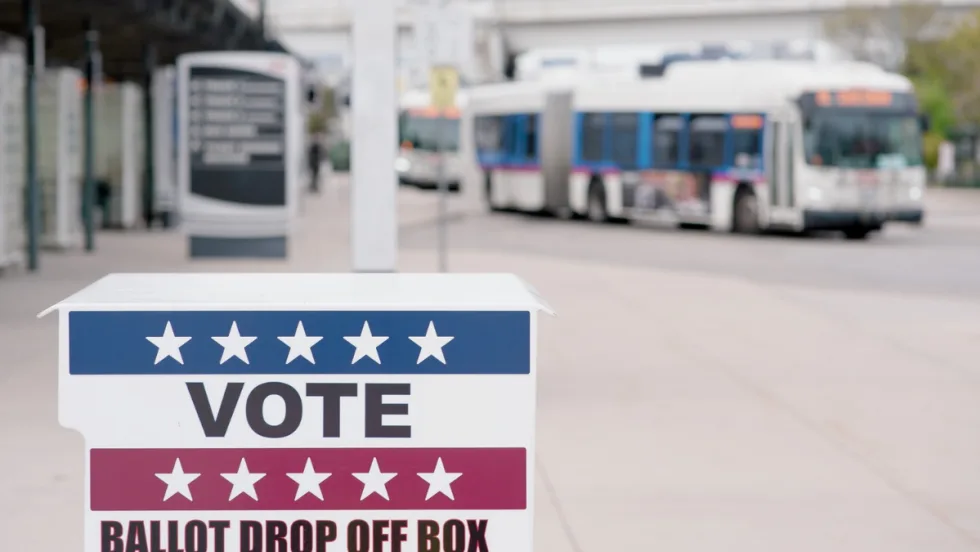
How Transit Agencies Are Using Free Rides to Improve Voting Access
Transit agencies are using fare-free service, trip-planning tools, and targeted rides to improve voting access. See what other agencies can learn from these efforts.
Read More →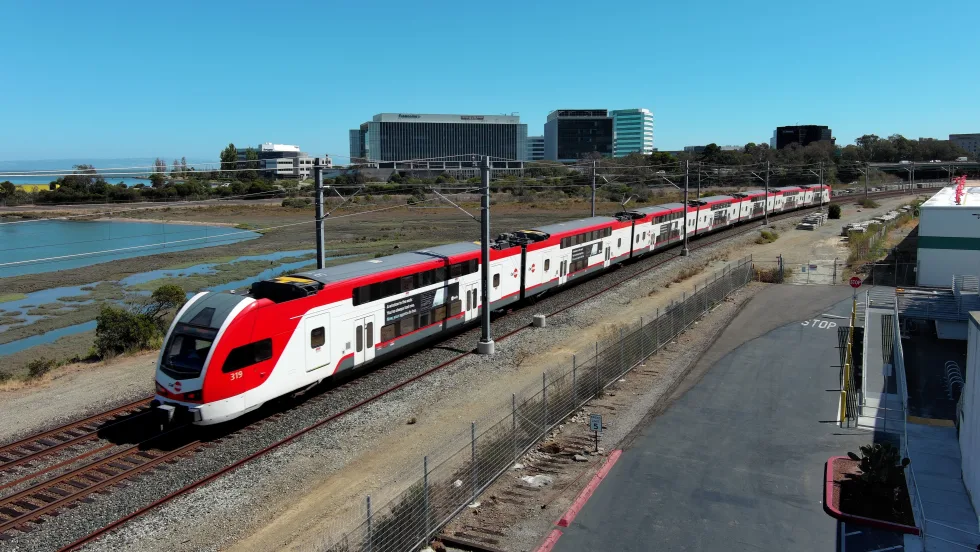
Caltrain’s Electrification Drives a New Era of Ridership Growth
The railroad’s shift to electric service has brought more frequent trains, stronger customer satisfaction, and increased ridership, earning it APTA’s Outstanding Public Transportation System award.
Read More →
Chicago, Charlotte Transit Agencies Expand Rider Support Programs
CTA launched crisis intervention teams as CATS prepares to deploy fare ambassadors, expanding customer assistance and security efforts across both systems.
Read More →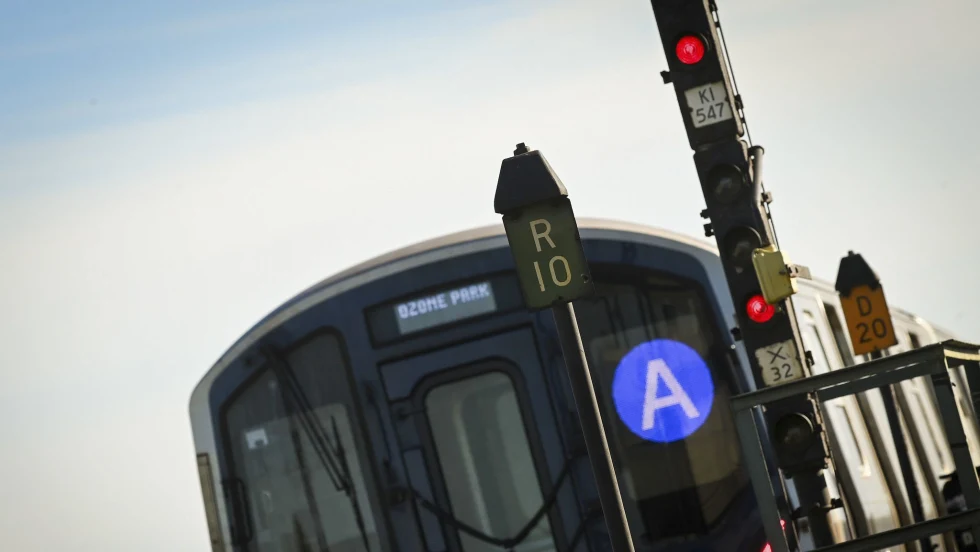
New York MTA Launches Historic $1.9B Signal, Track Modernization Project
Funded in part by congestion pricing revenue, the project will replace nearly century-old signals along the A and C lines in Brooklyn and Queens.
Read More →
Brian Dickson on Building Stronger, More Resilient Transportation Organizations
Bus Business Consultants Founder Brian Dickson discusses the leadership principles, operational discipline, and strategic planning that separate transportation companies positioned for long-term success from those stuck in survival mode.
Read More →
LA Metro Breaks Ground on Vermont BRT Project
The 12.4-mile corridor is projected to serve 66,200 daily riders, reduce travel times by up to 24%, and create the nation's busiest bus rapid transit corridor.
Read More →