



California's OCTA to Add 50 More Zero-Emission Buses
The purchase, unanimously approved by the board, includes 40 hydrogen fuel-cell electric buses and 10 battery-electric buses, which will replace buses at the end of their useful lifespan that run on compressed natural gas.


The new OCTA zero-emission buses are expected to hit the streets of Orange County in late 2026.
Photo: OCTA
California’s Orange County Transportation Authority (OCTA) board approved the purchase of 50 new zero-emission buses, marking a major milestone in an ongoing effort to transition the bus fleet to 100% zero-emission technology by 2040.
The purchase, unanimously approved by the board, includes 40 hydrogen fuel-cell electric buses and 10 battery-electric buses, which will replace buses at the end of their useful lifespan that run on compressed natural gas (CNG).
“I’m proud that OCTA is an industry leader in transitioning to zero-emission technology,” said OCTA Chair Tam T. Nguyen. “And I’m glad we’re helping set the standard for a future in where our passengers can continue to count on reliable bus service while protecting our environment.”
Transition to Zero Emissions
The move toward zero-emission technology aligns with the California Air Resources Board’s (CARB) 2018 Innovative Clean Transit Rule, which mandates that all public transit agencies in California fully transition their bus fleets to zero-emission vehicles by 2040.
Under the rule, 25% of new bus purchases must be zero-emission starting in 2023, increasing to 50% by 2026, and 100% by 2029.
New Flyer of America Inc. was selected to provide the new buses. As part of the agreement, OCTA will purchase 40 of the 40-foot hydrogen fuel-cell electric buses and 10 of the 40-foot battery-electric buses.
All the new buses will be equipped with a full suite of technology and safety features, including video surveillance systems, reverse-motion cameras, fire and hydrogen detection systems, driver barriers, and electronic fare transaction devices.
As part of its Zero-Emission Bus Pilot Program, OCTA began testing both fuel-cell and battery-electric buses in 2020 and 2022, respectively. The pilot program has included 10 buses of each technology.
These pilot programs, which test each technology in real-life conditions on Orange County streets, have allowed OCTA to gain valuable operational and technological experience, helping to determine the most effective technology — or mix of technologies — to meet the needs of OC Bus riders.
Securing Bus Funding
While the cost of purchasing zero-emission technology required by the state is considerably more expensive than a standard CNG bus, OCTA is working to reduce costs and leverage funding to meet the state mandate.
The initial quote for the 40 hydrogen fuel-cell buses and 10 battery electric buses was estimated at $84.4 million.
However, through strategic negotiations, including leveraging California's zero-emission vehicle sales tax exemption, OCTA reduced the cost to $77.5 million — a savings of nearly $7 million.
The purchase will cost $63.6 million for the 40 hydrogen fuel-cell buses and $13.9 million for the 10 battery-electric buses.
The funding for these buses is provided through a combination of Federal Transit Administration (FTA) funds and state funds from California Climate Investments, a statewide initiative that puts billions of Cap-and-Trade dollars to work reducing greenhouse gas emissions, strengthening the economy, and improving public health and the environment — particularly in disadvantaged communities.
Building Charging Infrastructure
To ensure the new buses can be sufficiently charged, the OCTA board, in a separate action, also approved the purchase of 11 battery chargers.
Those chargers, which will cost $2.2 million, will be installed at OCTA’s bus base in Santa Ana, where the new battery electric buses will be fueled and maintained.
Currently, OCTA stations the 10 battery electric buses at its Garden Grove facility. The hydrogen fuel-cell buses are stationed at the Santa Ana base, which in 2020 debuted the nation’s largest hydrogen fuel tank.
The new buses are expected to hit the streets of Orange County in late 2026.
More Zero Emissions

Caltrain’s Electrification Drives a New Era of Ridership Growth
The railroad’s shift to electric service has brought more frequent trains, stronger customer satisfaction, and increased ridership, earning it APTA’s Outstanding Public Transportation System award.
Read More →
Building a Flexible Path to Transit Electrification with BAE's John Hroncich
John Hroncich discusses BAE Systems’ modular and scalable approach, lessons learned from decades of real-world operations, and how agencies can identify electrification strategies that fit their fleets.
Read More →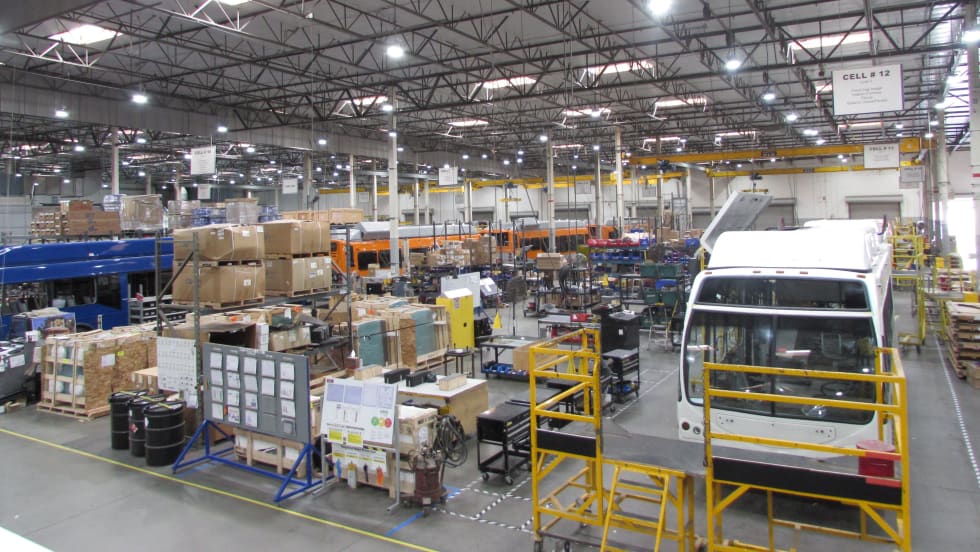
LA Metro Board Awards 220 Battery-Electric Bus Contract to ENC
The contract, which is the largest base award of battery-electric buses by a U.S. transit agency, will be built in Southern California, sustaining good jobs as LA prepares to welcome the world in 2028
Read More →
Public Transit Conference Returning to GFX in 2027, Call for Papers Now Open
The Call for Papers is now open, allowing transit agency professionals and industry experts to help shape the PTC educational program by submitting session ideas for consideration.
Read More →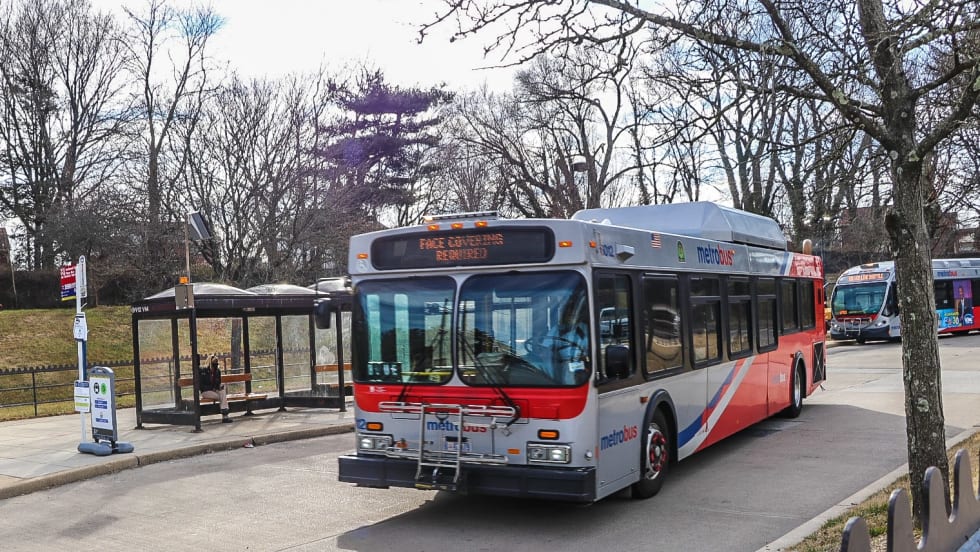
Report: Transit Bus Manufacturing Supports 34,100 Jobs, $5.1B in GDP
The “Buses Mean Business” report examines the transit bus manufacturing industry’s economic footprint, supply chain, and rising demand for vehicle replacements.
Read More →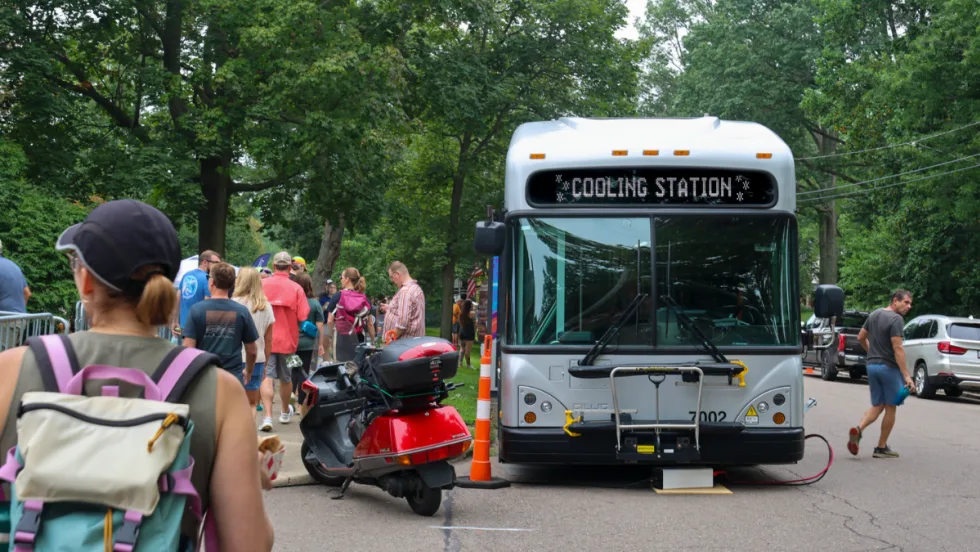
Ohio’s METRO RTA Turns Electric Buses into Mobile Power Sources at PorchROKR
See how three Gillig battery-electric buses powered festival stages while the agency’s new Park & Ride service carried approximately 1,000 attendees, demonstrating another potential use for transit agencies’ electric fleets.
Read More →
CALSTART and Forth Combine to Form Catalyst Mobility
The new name represents a renewed vision for the nonprofit focused on advancing clean, equitable, and affordable transportation solutions that move people and goods.
Read More →
Building a Flexible Path to Transit Electrification
John Hroncich discusses BAE Systems’ modular and scalable approach, lessons learned from decades of real-world operations, and how agencies can identify electrification strategies that fit their fleets.
Read More →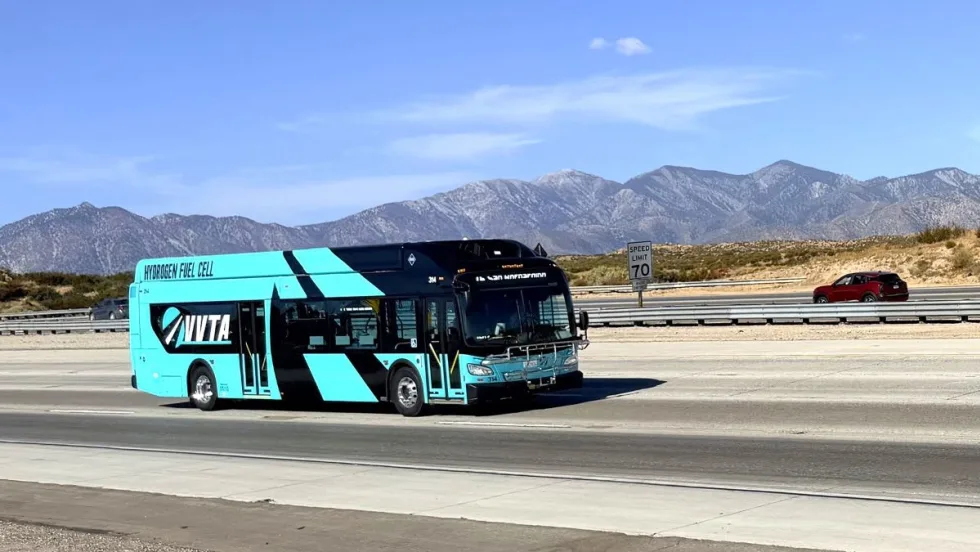
California's VVTA Begins Phased Rollout of Hydrogen Fuel Cell Buses
The agency is introducing 13 zero-emission buses into revenue service while evaluating performance across its urban, rural, and long-distance routes.
Read More →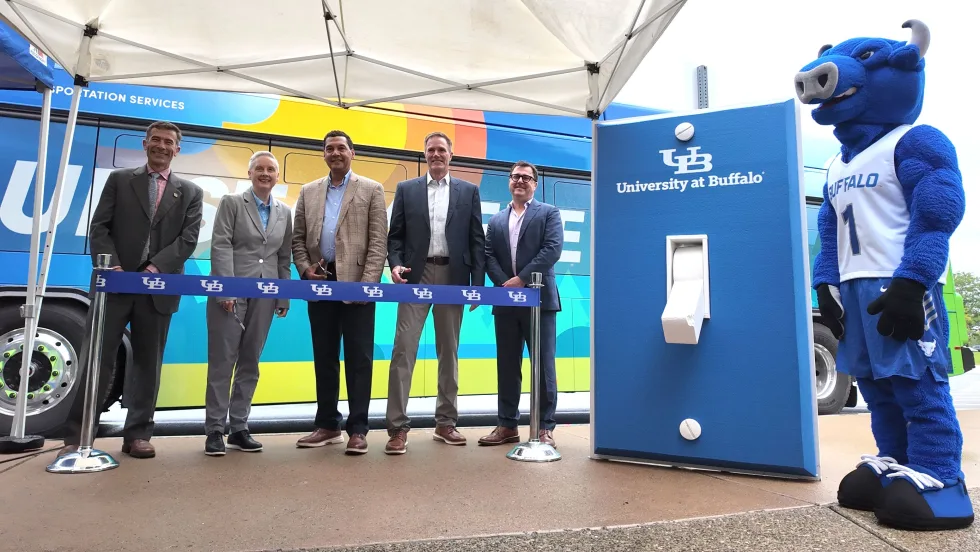
Inside Look: University at Buffalo Puts First 8 Electric Buses Into Stampede Service
UB, transportation solutions provider WeDriveU, and fleet electrification specialist Zenobē marked the deployment in the presence of students, university administrators, and local officials.
Read More →