




Read More: Northern California Transit Agencies Join Equity in Infrastructure Coalition
NVTC Adopts Principles For Funding Public Transit
NVTC provided guidance as the region works toward long-term, sustainable funding solutions for transit.
January 17, 2025
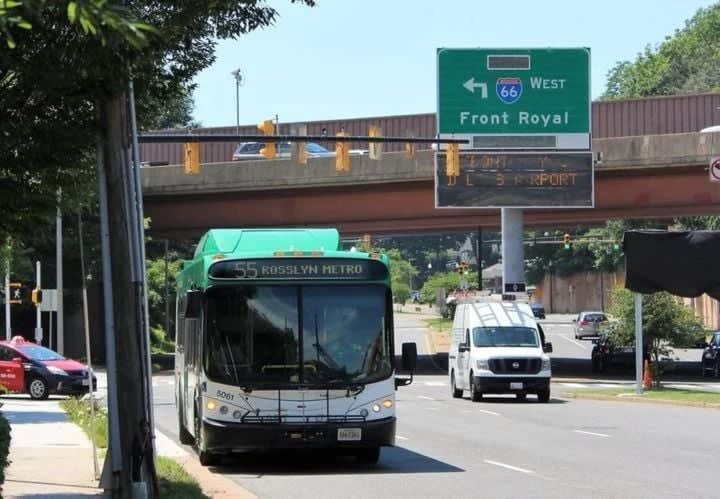
The NVTC is looking for a long-term revenue solution that provides adequate growth to meet current and future operating and capital needs.
Photo: NVTC
2 min to read
The Northern Virginia Transportation Commission (NVTC) approved “Guiding Principles for Future Transit Funding” at their last meeting. The principles set forth NVTC’s policy priorities as two major efforts focused on establishing long-term sustainable funding for public transit move forward this year.
NVTC has a seat at the table for both DMVMoves, a task force created by D.C. Metro and the Metropolitan Washington Council of Governments, as well as the Virginia General Assembly’s SJ28 Northern Virginia Growing Needs of Public Transit Joint Subcommittee.
"The Metro system, and all of the region's public transit agencies, are vital to the economic development and environmental sustainability of Northern Virginia and the Greater Washington region," said NVTC Chair David F. Snyder. "It's also an important transportation link that enables members of the public to conveniently and affordably go about their daily lives and supports our democracy by enabling citizens to easily reach and engage with their national government. That's why we need to ensure that Metro, VRE, and our local bus systems receive the ongoing funding that they will need to remain viable far into the future."
NVTC represents the cities of Alexandria, Falls Church, and Fairfax, and the Counties of Arlington, Fairfax, and Loudoun, These principles provide a consensus position on priorities related to addressing future regional transit funding needs.
Goals for Funding
For all public transit agencies in Northern Virginia, NVTC seeks a long-term, sustainable, dedicated funding solution that:
Provides adequate growth in revenues to meet current and future operating and capital needs for Metro, Virginia Railway Express (VRE) and local transit operators in Northern Virginia.
Preserves existing local, regional and statewide revenue sources that support public transit operating and capital expenses.
Aims to reduce pressure on property taxes as a funding source for transit.
Continues to reflect a diverse range of revenue sources to reduce the economic risk associated with overreliance on a single revenue source.
Directly distributes revenues to NVTC for allocation to local bus systems, VRE, and to those jurisdictions funding Metro, matching or similar to NVTC’s financial management model.
The “Guiding Principles for Future Transit Funding” also include specific priorities for funding Metro, recognizing that each of NVTC’s member jurisdictions and the Commonwealth of Virginia pay to operate and maintain the Metro system.
More Management
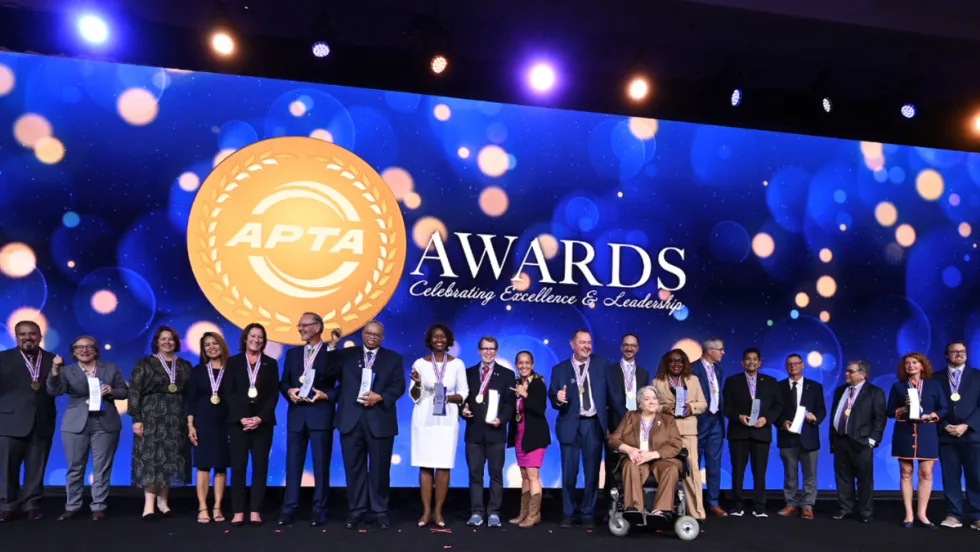
APTA Honors 2026 Award Winners, Hall of Fame Inductees at TRANSform & EXPO
Innovations in autonomous and zero-emission transportation, standout transit systems, and industry leadership took center stage among this year's honorees.
Read More →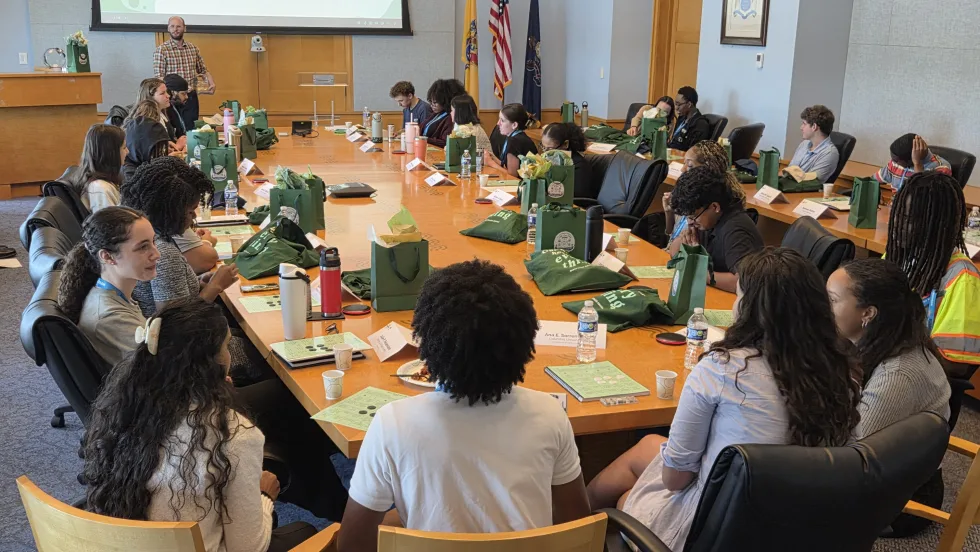
7 Ways to Build a Better Transit Internship Program
Lessons from DRPA/PATCO’s approach to creating a meaningful internship experience—and developing the next generation of transportation professionals.
Read More →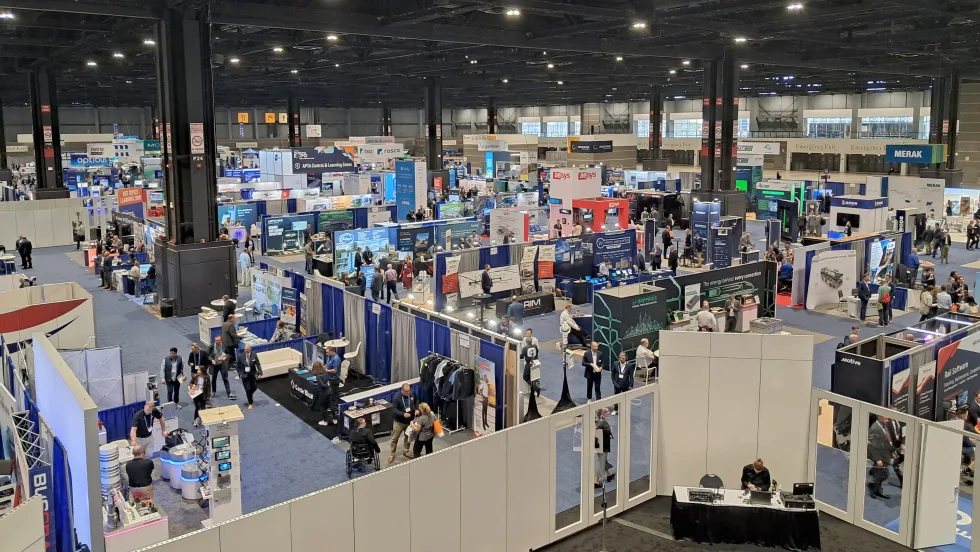
Scenes from APTA TRANSform & EXPO 2026
Transit leaders, manufacturers, and industry professionals gathered in Chicago to explore new technologies, share ideas, and discuss the future of public transportation.
Read More →
Building Stronger Leaders, More Resilient Transit Teams
Dr. Carol Parker Walsh discusses leadership development, employee retention, workplace culture, and preparing transit’s workforce for AI and automation.
Read More →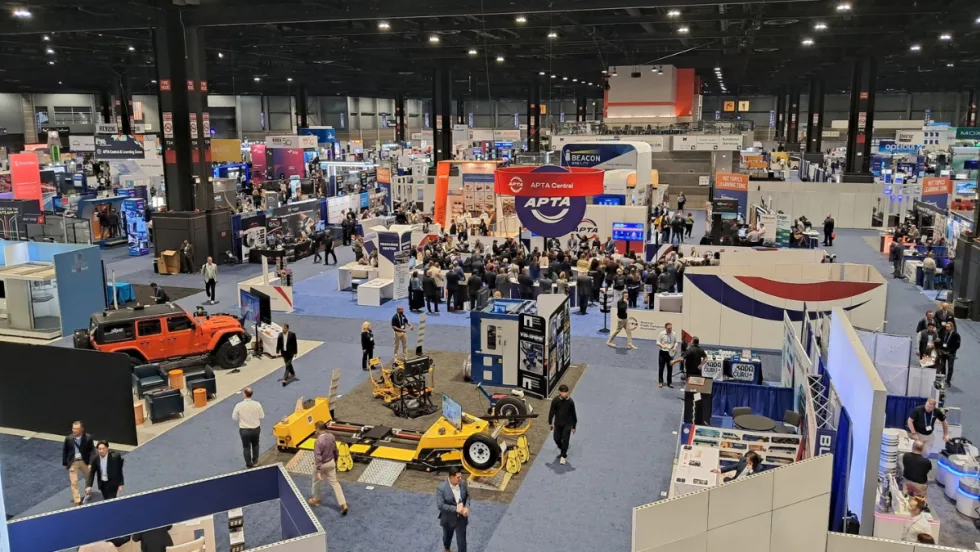
APTA 2026 TRANSform & EXPO Kicks Off in Chicago
After 45 years, APTA returns to Chicago with a focus on next-generation fleets, AI, connected transit networks, and the funding strategies shaping public transportation’s future.
Read More →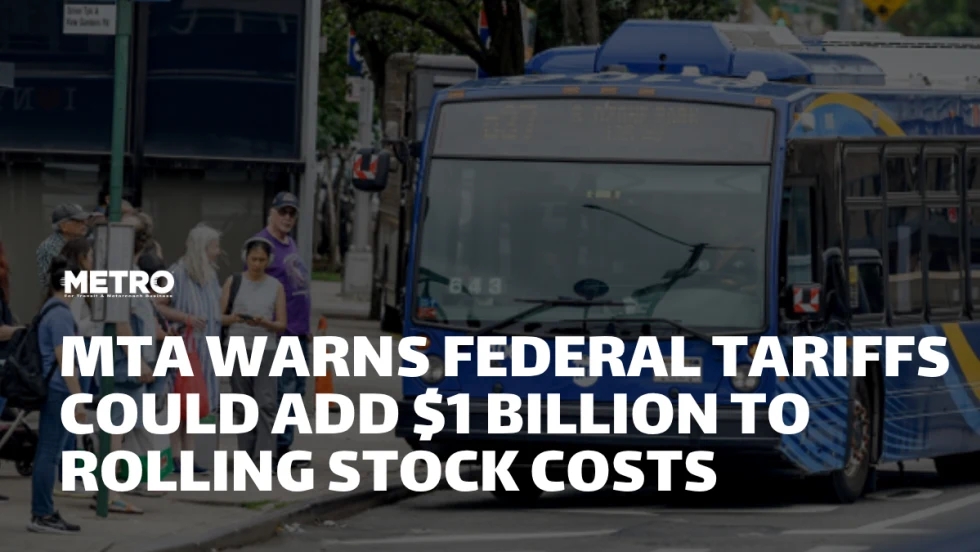
New York MTA Warns Federal Tariffs Could Add $1 Billion to Rolling Stock Costs
The agency said tariffs on specialized imported components could reduce the purchasing power of its $23 billion investment in new subway cars, railcars, and buses.
Read More →
From the Show Floor: What Happened at APTA TRANSform & EXPO 2026
See the latest product launches, partnerships, technology updates, and transit industry announcements from APTA TRANSform & EXPO in Chicago.
Read More →
How Valley Metro Is Balancing Transit Growth With the Rider Experience
The APTA award-winning agency is pairing rapid system expansion with investments in workforce, safety, technology, and the fundamentals of transit service.
Read More →
Bus Tech Talk: Keeping Transit Technicians Ahead of the Technology Curve
In this episode of Bus Tech Talk, Complete Coach Works’ Business Development Manager Mark Hollenbeck and METRO’s Executive Editor Alex Roman sit down with Obed Mejia, Senior Technical Trainer for Bus Maintenance, at LA Metro to discuss how rapidly evolving bus technology is changing the maintenance shop — and the skills technicians need to keep pace.
Read More →
Michael Schneider Joins Paslay Group to Expand Transportation Practice
The longtime transportation executive will help Paslay Group grow its advisory and program management work across transit, highway, and other infrastructure sectors.
Read More →