




Read More: California Invests $1 Billion in Transportation Infrastructure
New York MTA Celebrates ADA Accessibility at Hunter College Station
Forte Construction, with Joint Venture Partner Citnala Construction, have successfully completed the modernization of the century-old 68th St.-Hunter College Station ahead of schedule and $21 million under budget.
February 5, 2025
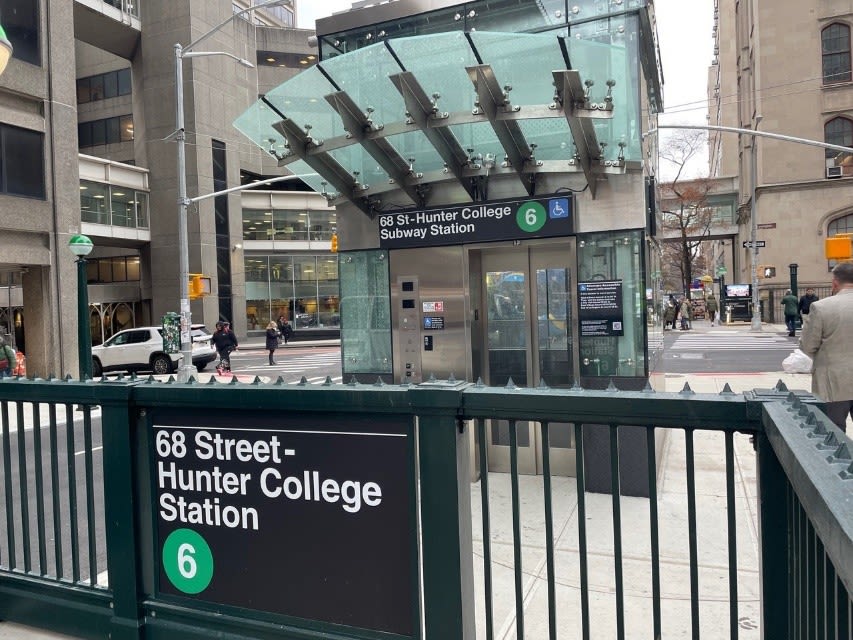
The upgraded 68th St.-Hunter College station features new and renovated stairwells as well as new elevators to make the station ADA accessible.
Photo: MTA
4 min to read
New York’s Metropolitan Transportation Authority (MTA) and the Federal Transit Administration (FTA) recently celebrated the completion of the modernization and expansion project for the 68th St.-Hunter College Subway Station.
The project brings the more than a century-old transit facility on the Upper East Side of Manhattan into full compliance with the Americans with Disabilities Act (ADA).
Upgrading the Station
Investing more than $3.3 billion over the past several years, the FTA has been making ADA improvements throughout the entire MTA transit network. The 68th St. station project was completed ahead of schedule and $21 million under budget according to MTA officials.
Located below Hunter College, which has nearly 23,000 students enrolled in it, the 68th St.-Hunter College station is a major stop for six local trains servicing Lexington Avenue in the heart of the Upper East Side neighborhood.
With over 20,000 daily riders, the station is one of the busiest local stations in the NYC transit network.
Forte Construction served as managing partner in a joint venture with Citnalta Construction Corp. The team completed the multiyear overhaul of the station on time and while minimizing impact to the ridership.
Alongside Gannet Flemming, MFM Contracting Corp, and Mid-American Elevator, the Forte-Citnalta Joint Venture installed three ADA-compliant elevators. One elevator went from 68th Street to the mezzanine level, and two from the mezzanine to the platforms serving trains in both directions.
New lighting, way-finding signage, help points, CCTV cameras, tactile edge strips, ADA-raised boarding areas on each platform and more were also installed. A major utilities relocation needed to be undertook to create real estate to build the elevators.
As a vital hub in the New York City Transit System, the 68th St. Hunter College station was designated by the MTA as one of 100 key stations prioritized to receive ADA compliant accessibility enhancements.
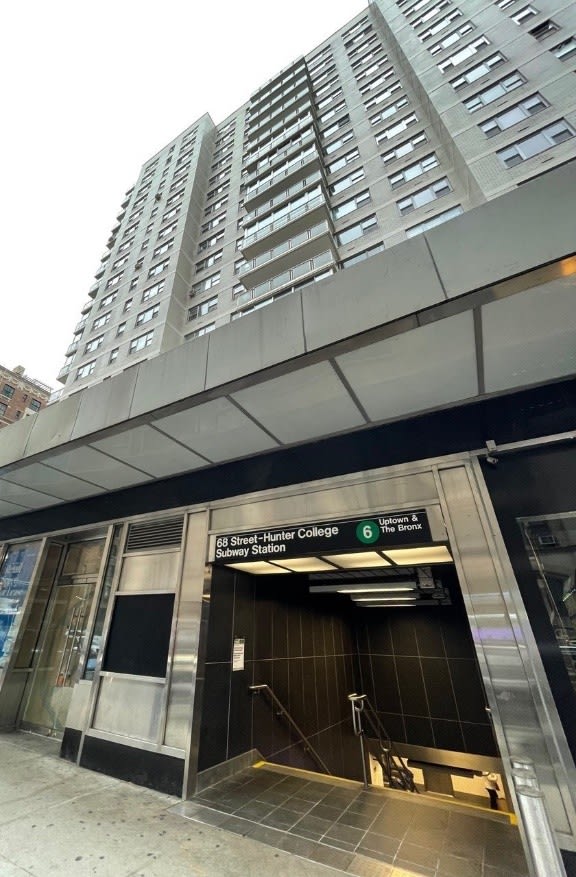
This new entrance to the 68th St.-Hunter College Station was made possible by converting an old retail space.
Photo: MTA
Joining the celebration on behalf of then-U.S. Transportation Secertary Pete Buttigieg was Michael Culotta, Regional Administrator for the FTA Region 2.
Culotta acknowledged the hard work of the MTA as well as the efforts of the construction and engineering teams led by Forte Construction.
“The project here at 68th Street is a real game changer. These features transform lives, and they change communities, but they were not required when stations like the one here at 68th Street were built 106 years ago, back in 1918. So, today's opening is truly significant,” said Culotta. Coincidentally, Mr. Culotta has personal ties to the area as a former resident who lived across the street from the 68th St. station. “I'm so excited to be here for today's milestone. It's a historic moment for the ADA. Today, we celebrate how we work together to help make our nation's oldest rail stations accessible to people with disabilities.”
Challenges With Space
Doubling the number of entrances and exits was a crucial component of the upgrades to the 68th St. Station project. Six stairwells were rehabilitated to meet modern building standards, with two new street-to-platform staircases being constructed to increase station capacity. One of these staircases was constructed mid-block, inside a high-rise building where a retail store was previously housed.
Creating the real estate necessary to build multiple new elevators and entrances for the station involved a lot of complex real estate and property acquisitions. In addition major utilities relocation was required.
The construction team replaced a century-old water main that was three feet in diameter and rerouted a complicated network of pipes and cables below the property.
Additional features include a series of new mosaic murals created under the direction of Professor Lisa Corinne Davis of the Hunter College Department of Art & Art History.

This is one of a series o murals installed at the 68th St.-Hunter College station which were created under direction from Processor Lisa Corinne Davis.
Photo: MTA
“This was a very complex and high-profile project at this station that is such a key asset of not only this neighborhood, but also for the academic community at Hunter College,” said Forte Construction Project Manager Krzysztof Gazda. “The ADA is a critical law to create access and economic opportunities for people with mobility limitations, creating new options to live, work, shop, dine or go to school in this community. Forte Construction is proud to have led this modernization project for the MTA.”
In 2023 the 68th St.-Hunter College Station was ranked the 40th busiest out of all 472 stations in the New York City subway system, servicing 5,164,087 riders in that year alone.
More Management
New York MTA Launches Historic $1.9B Signal, Track Modernization Project
Funded in part by congestion pricing revenue, the project will replace nearly century-old signals along the A and C lines in Brooklyn and Queens.
Read More →
Brian Dickson on Building Stronger, More Resilient Transportation Organizations
Bus Business Consultants Founder Brian Dickson discusses the leadership principles, operational discipline, and strategic planning that separate transportation companies positioned for long-term success from those stuck in survival mode.
Read More →
LA Metro Breaks Ground on Vermont BRT Project
The 12.4-mile corridor is projected to serve 66,200 daily riders, reduce travel times by up to 24%, and create the nation's busiest bus rapid transit corridor.
Read More →
Building Stronger Leaders, More Resilient Transit Teams
Dr. Carol Parker Walsh discusses leadership development, employee retention, workplace culture, and preparing transit’s workforce for AI and automation.
Read More →
Roman Cornell on ABC Companies’ Evolution and the Future of Passenger Transportation
The company’s CEO discusses carrying forward a third-generation family legacy, ABC’s continued evolution in passenger transportation, support for increasingly complex fleets, and how technology and continued investment could help operators improve uptime.
Read More →
CATS Launches West Charlotte Microtransit Zone, Expands Transit Services
The new microtransit zone connects residents to key destinations as Charlotte Area Transit System rolls out the first phase of its 2055 Transit System Plan.
Read More →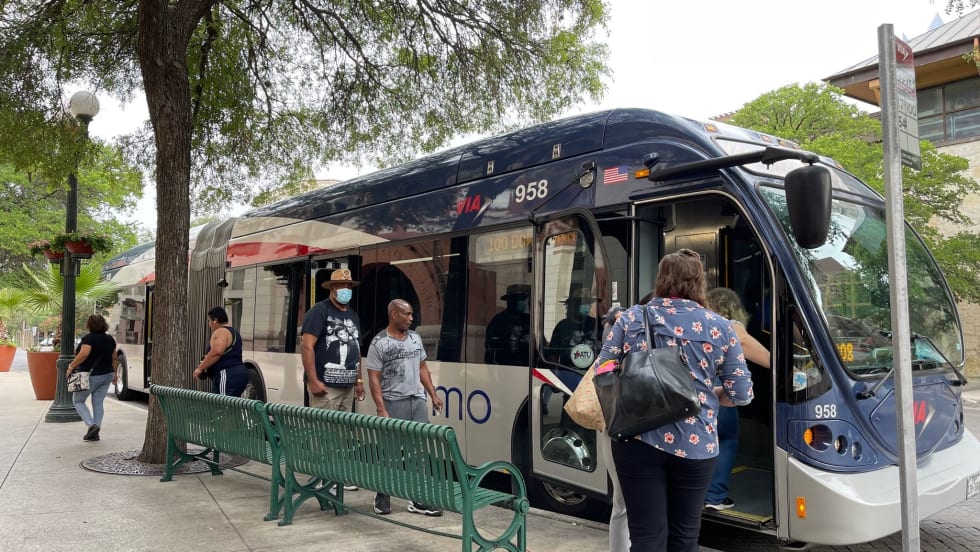
VIA Bus Ridership Grows 10.1% Through August 2026
San Antonio's VIA Metropolitan Transit reported the highest bus ridership growth among major Texas transit systems. Federal Transit Administration data ranked it second among the nation's 50 largest transit systems.
Read More →
CSA Group Releases Climate Resilience Standard for Transit, Passenger Rail
Developed with support from the Standards Council of Canada, CSA D700 guides assessing climate-related risks and planning adaptation measures for transit and passenger rail systems.
Read More →
ETA CEO John Maglio on Transit Technology, Innovation, and Building Agency Trust
ETA founder and CEO John Maglio explores the evolution of transit technology, the importance of reliable systems, and how stronger partnerships can help agencies improve operations and the passenger experience.
Read More →
COTA Launches First Customer Experience Action Plan to Improve Transit Service
The new plan outlines improvements to service reliability, accessibility, communication, and the overall rider experience across Central Ohio's transit system.
Read More →