



NJ TRANSIT to Modernize Bus Fleet with Artics, BEBs
The new buses will replace outdated 40-foot transit buses currently in use. The longer articulated buses provide capacity for 100 customers, compared to the approximately 50 customers on the buses they are replacing.

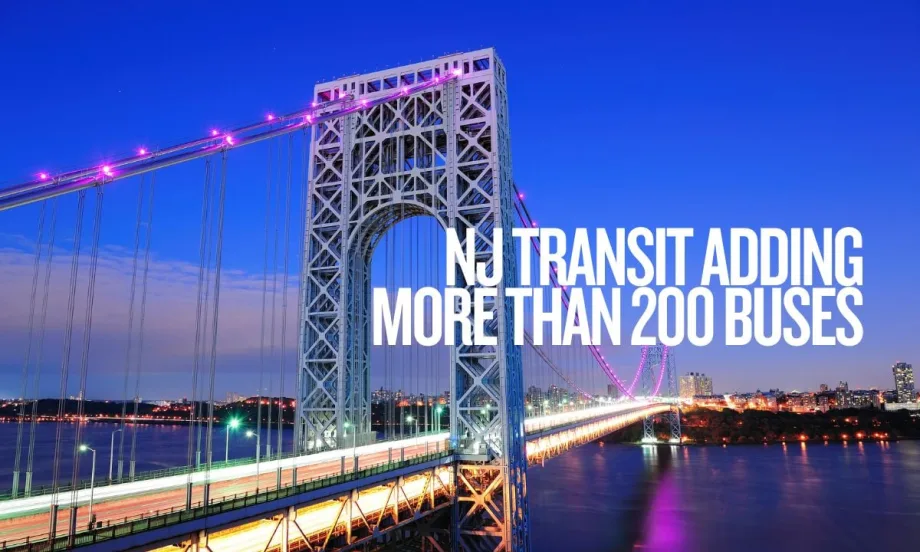
With the authorization from the board, NJ TRANSIT will purchase 208 60-foot articulated buses, including spare parts, and 20 battery-electric buses at a cost not to exceed $393,432,390, plus 10% for contingencies, subject to the availability of funds.
Photo: METRO
NJ TRANSIT continues to accelerate the modernization of its bus fleet with the purchase of 208 60-foot articulated buses and 20 battery-electric buses.
The new buses will replace outdated 40-foot transit buses currently in use. The longer articulated buses provide capacity for 100 customers, compared to the approximately 50 customers on the buses they are replacing.
NJ TRANSIT’s Battery-Electric Bus Goal
The battery-electric buses advance the goal of transitioning to a 100% zero-emission bus fleet by 2040, which is in line with Gov. Murphy’s Energy Master Plan.
The purchase is part of a broader commitment to replace all outdated buses and trains, fully modernizing the fleet to improve reliability and enhance the customer experience.
“Replacing outdated buses and railcars across our system is part of our continued commitment to improving service for our customers,” said NJ TRANSIT President/CEO Kris Kolluri. “Governor Murphy’s FY2026 budget continues to prioritize transit, giving NJ TRANSIT the ability to accelerate advancing a modern, more reliable fleet that will better accommodate growing ridership and significantly enhance the customer experience.”
With the authorization from the board, NJ TRANSIT will purchase 208 60-foot articulated buses, including spare parts, and 20 battery-electric buses at a cost not to exceed $393,432,390, plus 10% for contingencies, subject to the availability of funds.
A vendor and contract will be finalized during the procurement process.
NJ TRANSIT’s New Buses
The new articulated buses will provide fleet reliability at reduced operating and maintenance costs and will be equipped with the latest technology to significantly reduce vehicle exhaust emissions. The advanced emissions systems in these buses will produce approximately 80% fewer emissions than the buses they replace.
In addition, the articulated and battery-electric buses will feature low flooring to allow customers to embark and disembark more quickly.
All new buses will include new customer amenities such as USB charging ports, security cameras, blind spot cameras, and turn warning systems to enhance customer experience and safety.
More Zero Emissions

Building a Flexible Path to Transit Electrification with BAE's John Hroncich
John Hroncich discusses BAE Systems’ modular and scalable approach, lessons learned from decades of real-world operations, and how agencies can identify electrification strategies that fit their fleets.
Read More →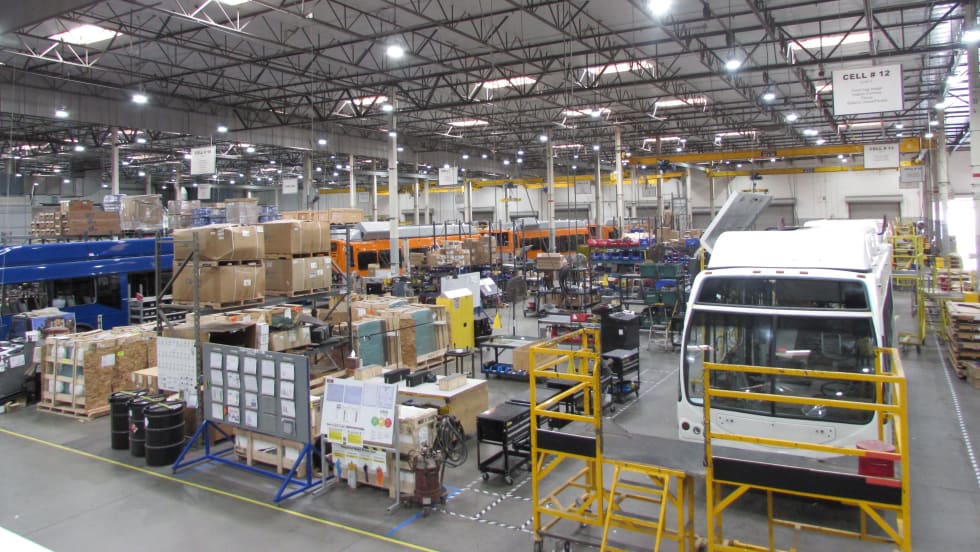
LA Metro Board Awards 220 Battery-Electric Bus Contract to ENC
The contract, which is the largest base award of battery-electric buses by a U.S. transit agency, will be built in Southern California, sustaining good jobs as LA prepares to welcome the world in 2028
Read More →
Public Transit Conference Returning to GFX in 2027, Call for Papers Now Open
The Call for Papers is now open, allowing transit agency professionals and industry experts to help shape the PTC educational program by submitting session ideas for consideration.
Read More →
Report: Transit Bus Manufacturing Supports 34,100 Jobs, $5.1B in GDP
The “Buses Mean Business” report examines the transit bus manufacturing industry’s economic footprint, supply chain, and rising demand for vehicle replacements.
Read More →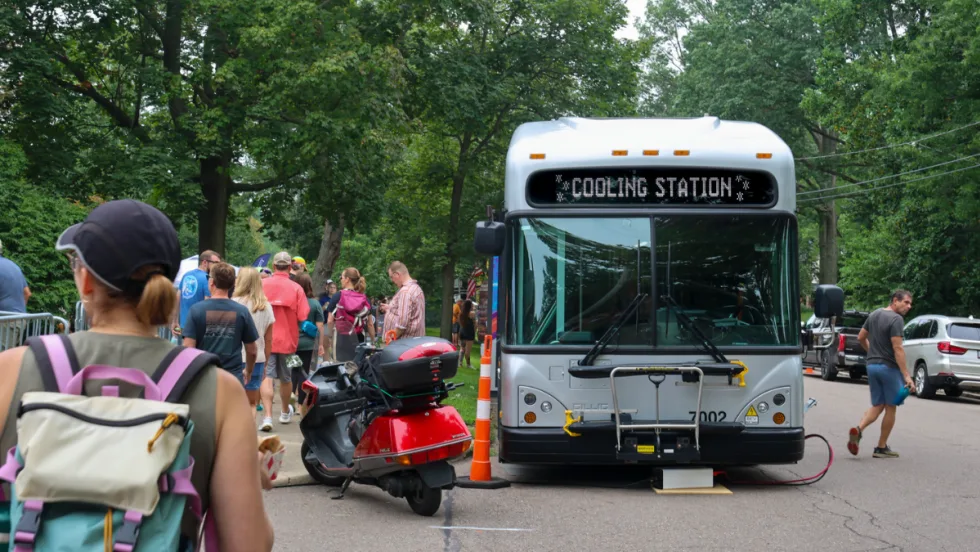
Ohio’s METRO RTA Turns Electric Buses into Mobile Power Sources at PorchROKR
See how three Gillig battery-electric buses powered festival stages while the agency’s new Park & Ride service carried approximately 1,000 attendees, demonstrating another potential use for transit agencies’ electric fleets.
Read More →
CALSTART and Forth Combine to Form Catalyst Mobility
The new name represents a renewed vision for the nonprofit focused on advancing clean, equitable, and affordable transportation solutions that move people and goods.
Read More →
Building a Flexible Path to Transit Electrification
John Hroncich discusses BAE Systems’ modular and scalable approach, lessons learned from decades of real-world operations, and how agencies can identify electrification strategies that fit their fleets.
Read More →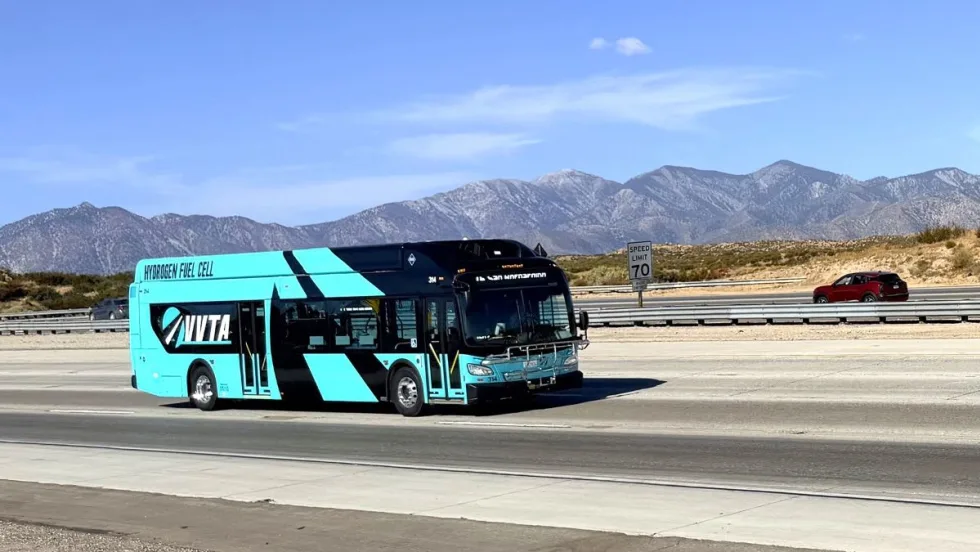
California's VVTA Begins Phased Rollout of Hydrogen Fuel Cell Buses
The agency is introducing 13 zero-emission buses into revenue service while evaluating performance across its urban, rural, and long-distance routes.
Read More →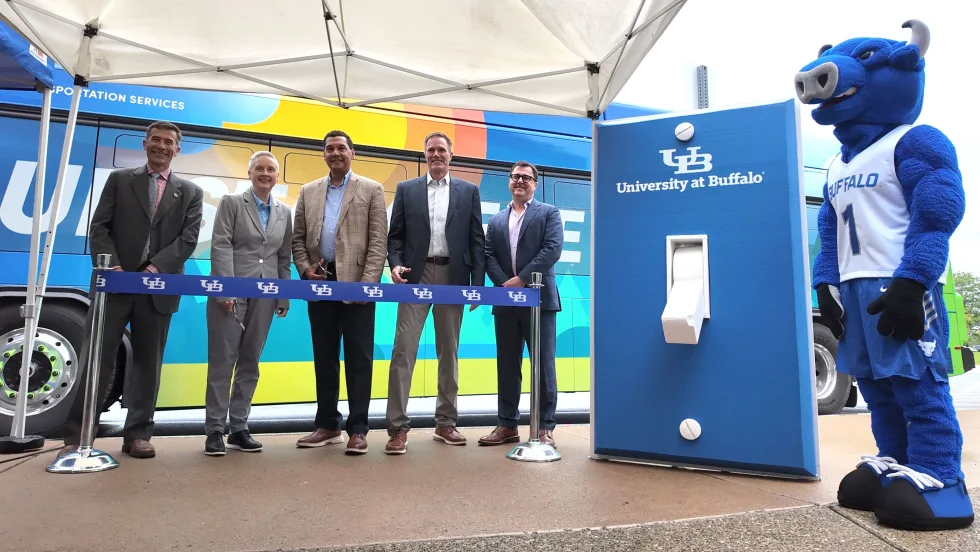
Inside Look: University at Buffalo Puts First 8 Electric Buses Into Stampede Service
UB, transportation solutions provider WeDriveU, and fleet electrification specialist Zenobē marked the deployment in the presence of students, university administrators, and local officials.
Read More →
Biz Briefs: OCTA Taps Clean Energy for Hydrogen Station, Stadler to Supply Via Rail Vehicles, and More
From manufacturers and suppliers to transit agencies and motorcoach operators, these updates offer a snapshot of the projects, partnerships and business moves driving the industry forward.
Read More →