



Rural Minnesota's Arrowhead Transit Set to Launch Nation’s Largest Rural Redesign
Officials said the initiative, developed through extensive community engagement and driven by equity, accessibility, and service quality, represents one of the most ambitious rural public transportation overhauls currently underway in the U.S.

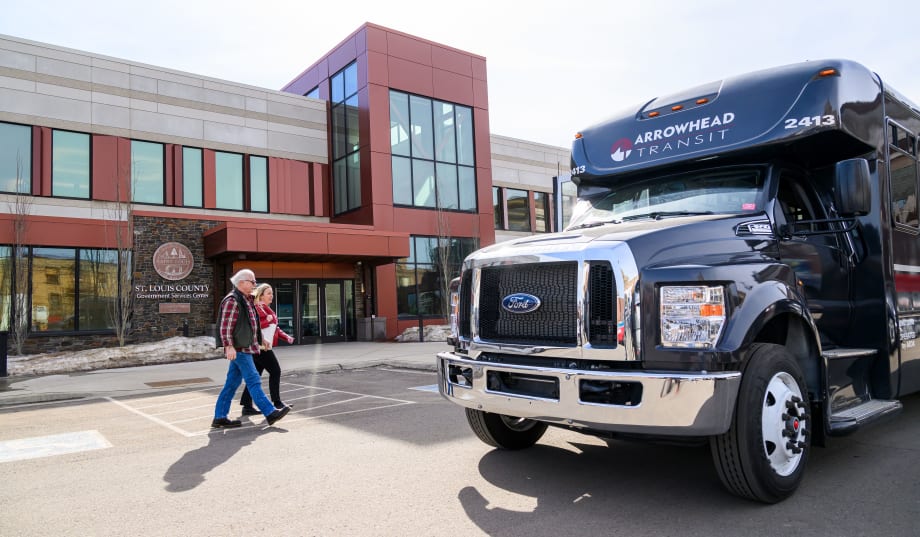
RideSmart 2025 results from a multi-year, collaborative planning process launched after Arrowhead Transit began operating in the counties in 2021.
Photo: Arrowhead Transit
Minnesota-based rural provider Arrowhead Transit will officially launch RideSmart 2025, a transformative redesign of rural transit service in Chisago and Isanti counties.
Arrowhead officials said the initiative, developed through extensive community engagement and driven by equity, accessibility, and service quality, represents one of the most ambitious rural public transportation overhauls currently underway in the U.S.
Reimagining Rural Transit from the Ground Up
Unlike traditional service adjustments, Arrowhead officials said RideSmart 2025 is a complete system reset designed to expand coverage, simplify operations, and prioritize riders' daily needs.
New features include:
Expanded access to previously underserved communities.
Streamlined routes and schedules for more straightforward navigation.
Improved connectivity to healthcare and employment hubs.
Flexible service models tailored to rural geography and rider preferences.
“This isn’t just a schedule update,” said Sandra Wheelecor, project lead. “We broke down the system and rebuilt it with the people it serves. RideSmart 2025 reflects what public transit looks like when it listens.”
Community-Led Planning Yields Results
RideSmart 2025 results from a multi-year, collaborative planning process launched after Arrowhead Transit began operating in the counties in 2021.
Rider surveys, town halls, staff input, and feedback from local stakeholders all helped shape the new network. Officials said the result is a rider-first system aligned with regional equity goals and modern rural mobility standards.
Since Arrowhead assumed service in the region, ridership has grown over 30%, with Isanti County alone reporting more than 49,000 boardings in 2024, despite operating on a legacy route structure.
Survey data collected in winter 2024–2025 indicated strong public support for the changes, while 92% of respondents believed transit improved local quality of life, fewer than half felt the previous system met their needs. Common challenges included limited access to healthcare, workforce disconnection, and inflexible service near homes.
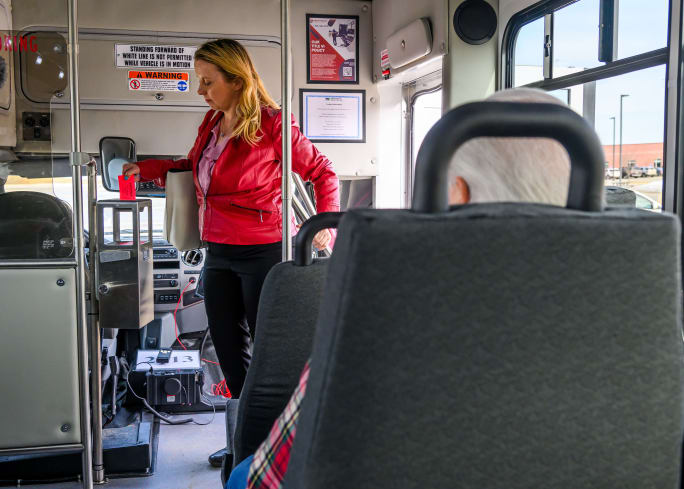
Since 1974, Arrowhead has connected Greater Minnesota residents with education, employment, healthcare, and community life.
Photo: Arrowhead Transit
A Regional Commitment to Access and Inclusion
Arrowhead Transit, operated by the Arrowhead Economic Opportunity Agency (AEOA), is Minnesota's largest rural transit provider. It covers 10 counties and over 21,000 square miles in the state’s northeastern region.
Since 1974, Arrowhead has connected Greater Minnesota residents with education, employment, healthcare, and community life.
The agency provides a mix of commuter routes, deviated fixed routes, and Dial-A-Ride services, all aimed at supporting independent living and breaking down transportation barriers. It operates under AEOA’s Title VI civil rights policy, ensuring inclusive and equitable access across its network.
More Bus

More Than a Summer Job: Building the Next Generation of Transit Talent
The Delaware River Port Authority and PATCO have transformed their internship program into a hands-on professional development experience that introduces students to the breadth of transportation careers — and creates a pipeline for future employees.
Read More →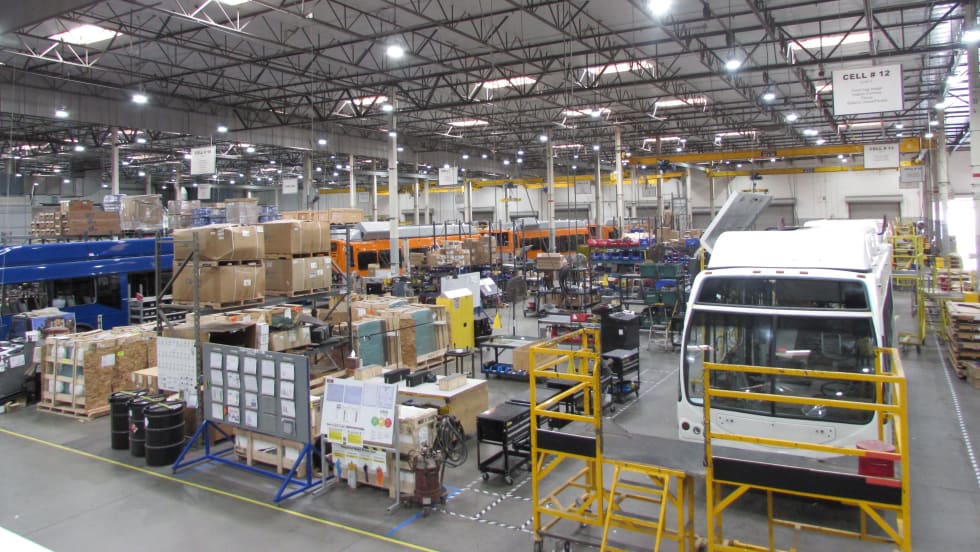
LA Metro Board Awards 220 Battery-Electric Bus Contract to ENC
The contract, which is the largest base award of battery-electric buses by a U.S. transit agency, will be built in Southern California, sustaining good jobs as LA prepares to welcome the world in 2028
Read More →
Public Transit Conference Returning to GFX in 2027, Call for Papers Now Open
The Call for Papers is now open, allowing transit agency professionals and industry experts to help shape the PTC educational program by submitting session ideas for consideration.
Read More →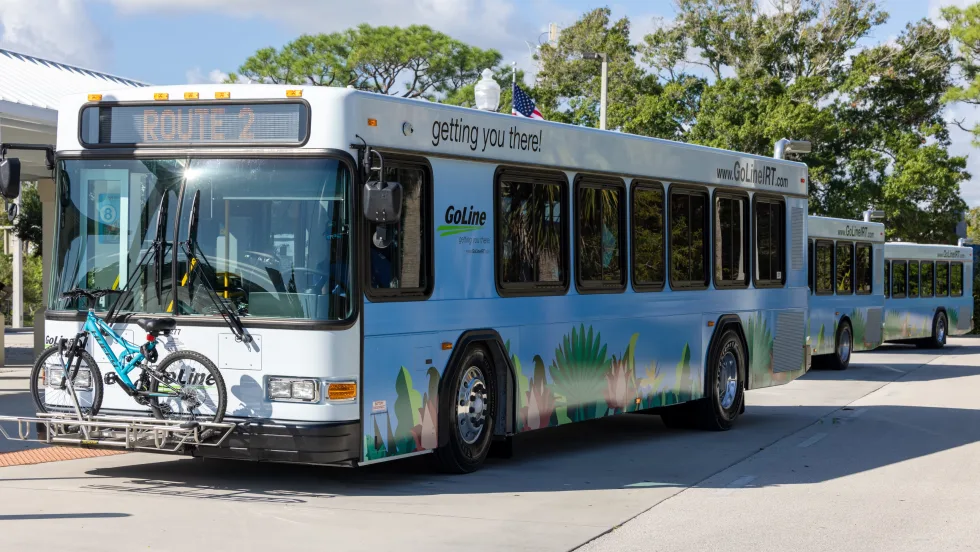
Indian River Transit’s Community-Focused Approach Earns National Recognition
Named APTA’s 2026 Outstanding Public Transportation System in its size category, Florida’s Indian River County transit system continues to grow ridership through fare-free service and a focus on evolving community needs.
Read More →
ENC Lands MATA Contract and More in Biz Briefs
In this edition of Biz Briefs, we spotlight the latest developments shaping the future of mobility.
Read More →
From Surviving to Thriving: Building Stronger Transportation Organizations
Bus Business Consultants founder Brian Dickson shares lessons on leadership, organizational health, and creating options for long-term success in a changing transportation industry.
Read More →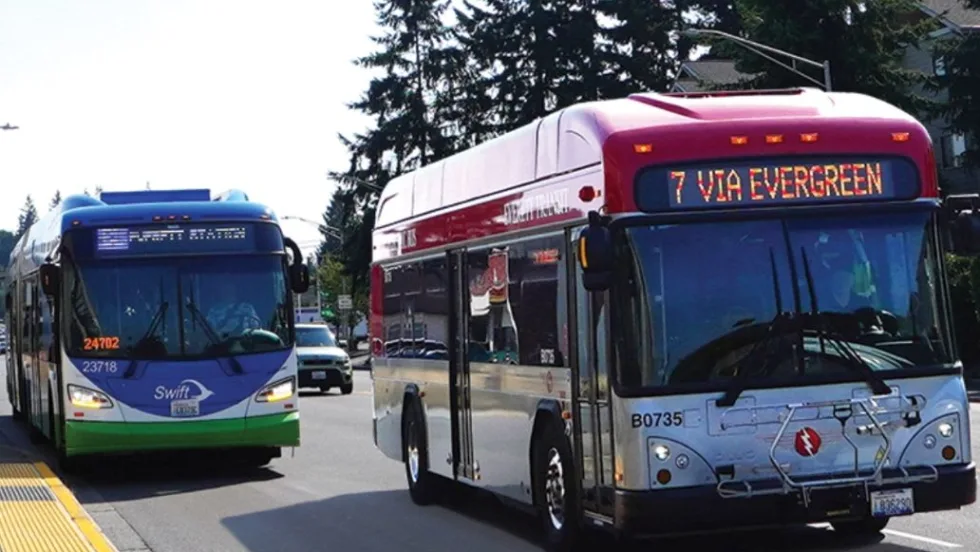
Everett Transit, Community Transit Outline Consolidation Agreement
The proposed agreement calls for a 50% increase in bus service in Everett, a new microtransit zone, continued paratransit service, and the transfer of Everett Transit operations to Community Transit.
Read More →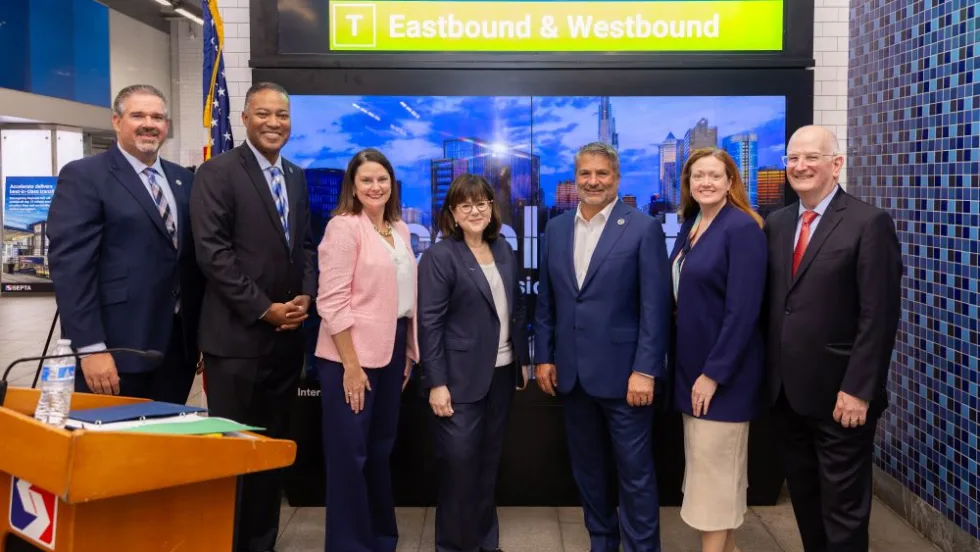
SEPTA Details Accelerate Vision for Transit System
The plan outlines investments in trolley modernization, new Metro and Regional Rail vehicles, accessible stations, and more frequent bus and rail service.
Read More →
Report: Transit Bus Manufacturing Supports 34,100 Jobs, $5.1B in GDP
The “Buses Mean Business” report examines the transit bus manufacturing industry’s economic footprint, supply chain, and rising demand for vehicle replacements.
Read More →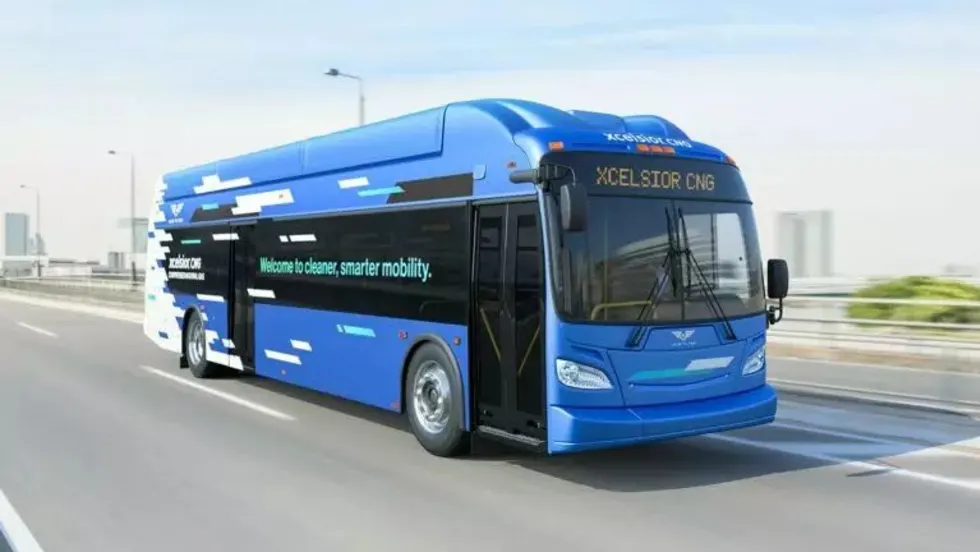
Biz Briefs: New Flyer Delivers in Columbus, Houston, Beep and Freebee Merge, and More
In this edition of Biz Briefs, we spotlight the latest developments shaping the future of mobility.
Read More →