



MARTA Approves NextGen Bus Network Redesign
The transformative initiative, which MARTA officials say will launch in late 2025, aims to deliver a smarter, faster, and more equitable transit experience across the Atlanta region.

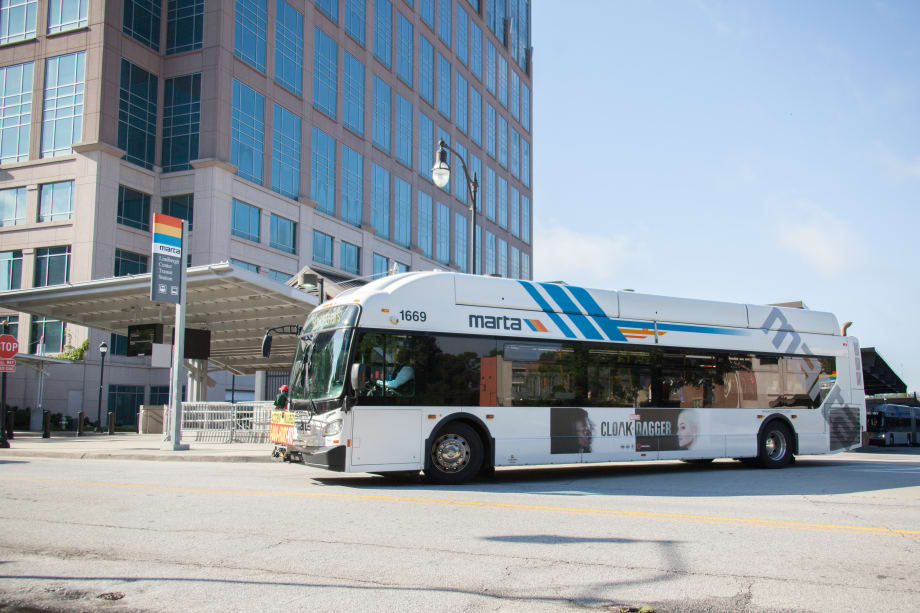
MARTA's NextGen network adopts a 70/30 ridership-to-coverage balance to prioritize high-ridership corridors while maintaining coverage across all neighborhoods.
Photo: MARTA
The Metropolitan Atlanta Rapid Transit Authority (MARTA) board officially approved the NextGen Bus Network, a sweeping redesign of its more than 100 bus routes. This transformative initiative, which MARTA officials say will launch in late 2025, aims to deliver a smarter, faster, and more equitable transit experience across the Atlanta region.
“This is a major step toward a more equitable and rider-focused transit system,” said Collie Greenwood, MARTA GM/CEO. “The NextGen Bus Network is built from the voices of the people we serve. With more frequent buses, better connections, and improved infrastructure, this redesign meets our region’s evolving needs and lays the groundwork for a stronger transit future.”
A Redesigned Network Built from Community Input
Four years of detailed analysis and extensive public engagement, including over 60 meetings and 15,000 survey responses, informed the redesign. This feedback helped MARTA refine its plans to ensure improved access for low-income, minority, and underserved communities.
The NextGen network adopts a 70/30 ridership-to-coverage balance to prioritize high-ridership corridors while maintaining coverage across all neighborhoods.
Key features of the NextGen Bus Network include:
Tripled Access to Frequent Transit: The number of people with access to frequent bus service (every 15 minutes or better) will nearly triple.
Expanded Frequent Corridors: Frequent service corridors will grow from five to 17.
Improved Wait Times: Routes offering service every 20 minutes will increase from nine to 11.
Seven-Day Service: All fixed routes and new on-demand zones will operate weekly with flatter, more consistent service schedules.
On-Demand Zones: The plan introduces 12 new flexible transit zones for lower-density communities, enhancing connectivity.
Simplified Route Structure: The number of fixed bus routes will be reduced from 113 to 81, creating a clearer, more efficient network.
Significant Coverage Gains: 74,000 more residents and 76,400 additional jobs will be near frequent service, and 30-minute or better transit options will serve 143,100 more residents.
Measurable Community Benefits
The redesigned system is expected to produce a range of impactful outcomes, including a 6% increase in overall population served, a 7% increase in low-income residents served, an 11% increase in minority residents served, a 27% increase in grocery stores accessible within 60 minutes, a 31% increase in hospitals accessible within 60 minutes, and a 22% increase in jobs accessible within 60 minutes by transit.
In addition to route and service enhancements, MARTA will invest in new transfer points with timed connections, infrastructure upgrades for smoother operations, and app-based access to on-demand zones. These features aim to improve the overall rider experience significantly, said MARTA officials.
With board approval now secured, MARTA will begin the final phase of preparations to launch the NextGen Bus Network in late 2025.
More Bus

New York MTA Plans Largest Bus Fleet Upgrade in More Than a Decade
The agency is seeking manufacturers for 650 new CNG buses to replace aging vehicles, improve reliability, and advance its broader fleet modernization strategy.
Read More →
Building a Flexible Path to Transit Electrification
John Hroncich discusses BAE Systems’ modular and scalable approach, lessons learned from decades of real-world operations, and how agencies can identify electrification strategies that fit their fleets.
Read More →
Bus Tech Talk: Keeping Transit Technicians Ahead of the Technology Curve
LA Metro’s Obed Mejia discusses technician training, evolving maintenance technology, fleet replacement, and strategies for getting the most out of today’s transit fleets.
Read More →
Biz Briefs: RIPTA Unveils New Frontrunners, Clevland RTA Adds New Siemens, and More
In METRO's latest installment, we take a look at recent news from Siemens, Prevost, Dodge, and more partnerships making headlines across the transportation sector.
Read More →
People Movement: Holly Arnold Joins Transdev and More
In this edition, we also cover recent appointments and announcements at Pace, CamTran, MCI, and more, showcasing the individuals helping to shape the future of transportation.
Read More →
The High Cost of Transit Buses: Industry Leaders Look to Procurement Reform
Transit leaders and policymakers examine how standardized bus designs, streamlined procurement, and predictable funding could help agencies stretch budgets and deliver better service.
Read More →
The Business Voice Behind Public Transportation
As chair of APTA’s Business Members Board of Governors, Ray Melleady explains how more than 850 business members are partnering with transit agencies to advance funding, innovation, and industry-wide collaboration.
Read More →
From Surviving to Thriving: Building Stronger Transportation Organizations
Bus Business Consultants founder Brian Dickson shares lessons on leadership, organizational health, and creating options for long-term success in a changing transportation industry.
Read More →
Finding the ‘Happy Medium’: Optimizing Maintenance Without Sacrificing Reliability
The key to maintenance optimization isn’t doing less work—it’s doing the right work at the right time on the right assets.
Read More →
LA Metro, City of West Hollywood, and Partners Advance Smarter Bus Lane Enforcement
The award-winning partnership combines AI-powered detection with human oversight to improve bus reliability, accessibility, and enforcement efficiency.
Read More →