




CapMetro's Driverless Breakthrough: How Austin's Transit Agency Revolutionizes the Bus Yard
Austin's CapMetro Celebrates 40 Years of Connecting Central Texas
The agency reflects on four decades of serving the community and prepares for the future with Transit Plan 2035 and Project Connect.
July 2, 2025
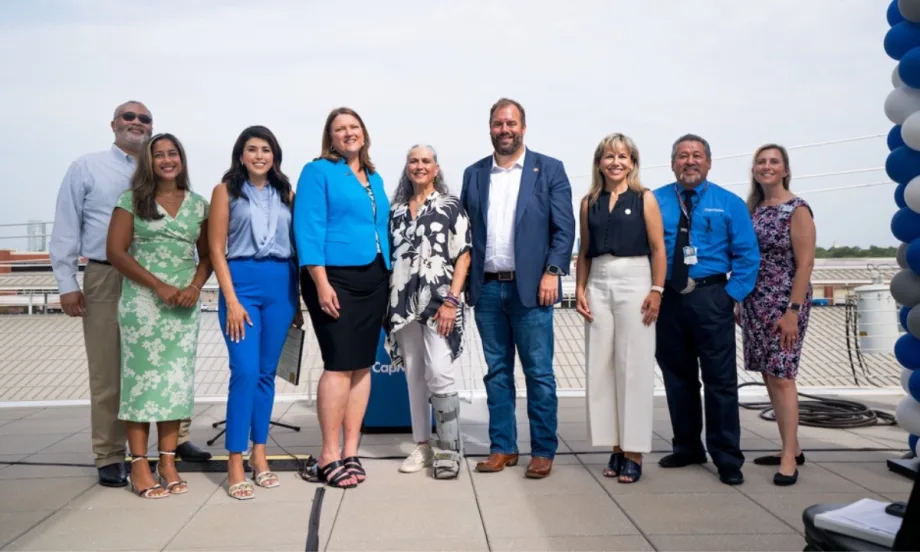
CapMetro continues looking to the future through two initiatives, Transit Plan 2035 and Project Connect, which include operating the future new light rail lines, adding expanded bus rapid transit lines, and improving commuter rail.
Photo: CapMetro
2 min to read
To commemorate Capital Metropolitan Transportation Authority's (CapMetro) milestone of 40 years in service connecting Central Texans via accessible public transportation, the City of Austin, Travis County, and the State of Texas have all issued proclamations marking July 1 as “CapMetro Day.”
Founded in 1985, CapMetro started as a small, local service and has grown into a regionwide network supporting more than 70,000 weekday trips across buses, rail, vanpools, and microtransit services.
“For 40 years, CapMetro has helped build a more connected and inclusive Central Texas,” said CapMetro President/CEO Dottie Watkins. “Our mission remains focused on increasing mobility, providing equitable access, and delivering high-quality transit that keeps pace with the region’s growth. We’re proud of how far we’ve come and excited about the future opportunities for our community.”
CapMetro was established in January 1985 after Austin voters approved the initiative. The agency launched services with local, express, and paratransit routes late that year. In its first decade, the agency introduced the UT Shuttle service, 100 new buses, and a vanpool program while becoming 100% wheelchair accessible.
In the last three decades, CapMetro has added commuter rail between Leander and Downtown Austin, launched Central Texas’ first bus rapid transit lines, and introduced neighborhood circulators called Pickup.
Shaping the Future with Project Connect and Transit Plan 2035
CapMetro continues looking to the future through two initiatives, Transit Plan 2035 and Project Connect, which include operating the future new light rail lines, adding expanded bus rapid transit lines, and improving commuter rail.
As part of Project Connect, the agency has already delivered a new commuter rail station to Q2 Stadium, made infrastructure improvements to parts of the Red Line to improve service reliability, and introduced two new Rapid lines, Routes 800 and 837, bringing more service to East Austin.
Transit Plan 2035 outlines a blueprint for the future of public transportation in Central Texas. The final plan will outline strategies for an upgraded transit network to best meet the community’s needs over the next five to ten years.
CapMetro staff will propose options to the community this Fall before the finalized plan reaches the board for approval by the end of 2025.
“Our 40th anniversary is more than a celebration of the past,” Watkins said. “It’s a chance to reaffirm our promise to the people of Central Texas that we will keep delivering smarter, greener, and more accessible ways to get where you need to go.”
To explore CapMetro’s 40-year history, visit https://www.capmetro.org/about/40years.
More Management
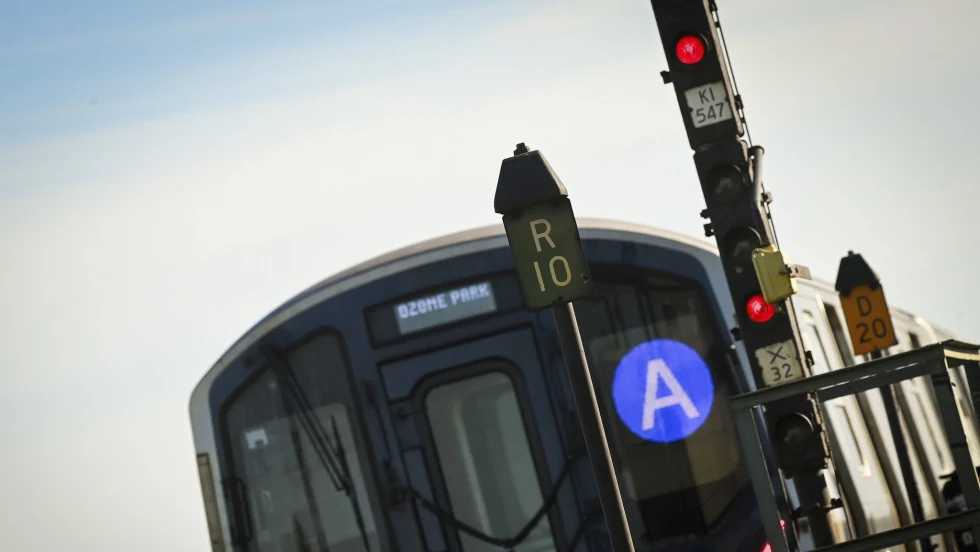
New York MTA Launches Historic $1.9B Signal, Track Modernization Project
Funded in part by congestion pricing revenue, the project will replace nearly century-old signals along the A and C lines in Brooklyn and Queens.
Read More →
Brian Dickson on Building Stronger, More Resilient Transportation Organizations
Bus Business Consultants Founder Brian Dickson discusses the leadership principles, operational discipline, and strategic planning that separate transportation companies positioned for long-term success from those stuck in survival mode.
Read More →
LA Metro Breaks Ground on Vermont BRT Project
The 12.4-mile corridor is projected to serve 66,200 daily riders, reduce travel times by up to 24%, and create the nation's busiest bus rapid transit corridor.
Read More →
Building Stronger Leaders, More Resilient Transit Teams
Dr. Carol Parker Walsh discusses leadership development, employee retention, workplace culture, and preparing transit’s workforce for AI and automation.
Read More →
Roman Cornell on ABC Companies’ Evolution and the Future of Passenger Transportation
The company’s CEO discusses carrying forward a third-generation family legacy, ABC’s continued evolution in passenger transportation, support for increasingly complex fleets, and how technology and continued investment could help operators improve uptime.
Read More →
CATS Launches West Charlotte Microtransit Zone, Expands Transit Services
The new microtransit zone connects residents to key destinations as Charlotte Area Transit System rolls out the first phase of its 2055 Transit System Plan.
Read More →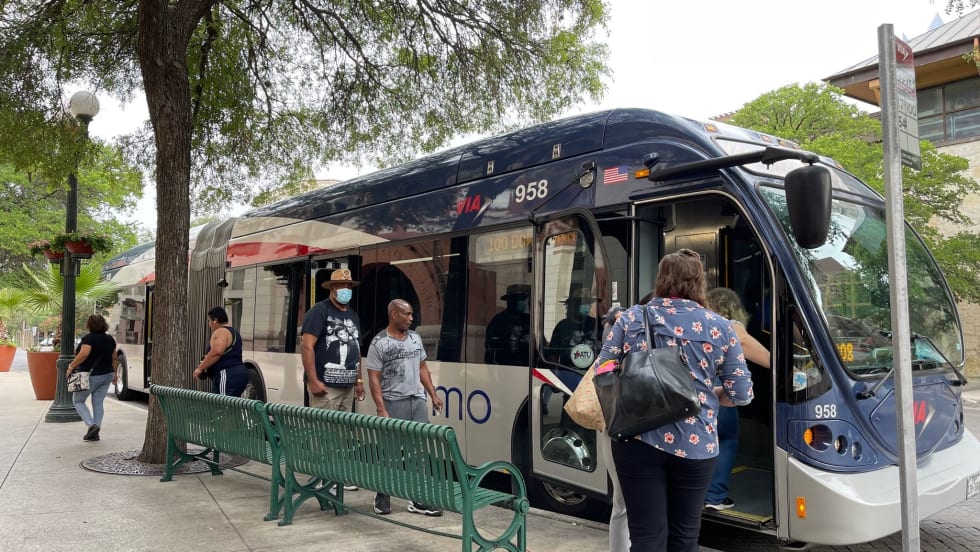
VIA Bus Ridership Grows 10.1% Through August 2026
San Antonio's VIA Metropolitan Transit reported the highest bus ridership growth among major Texas transit systems. Federal Transit Administration data ranked it second among the nation's 50 largest transit systems.
Read More →
CSA Group Releases Climate Resilience Standard for Transit, Passenger Rail
Developed with support from the Standards Council of Canada, CSA D700 guides assessing climate-related risks and planning adaptation measures for transit and passenger rail systems.
Read More →
ETA CEO John Maglio on Transit Technology, Innovation, and Building Agency Trust
ETA founder and CEO John Maglio explores the evolution of transit technology, the importance of reliable systems, and how stronger partnerships can help agencies improve operations and the passenger experience.
Read More →
COTA Launches First Customer Experience Action Plan to Improve Transit Service
The new plan outlines improvements to service reliability, accessibility, communication, and the overall rider experience across Central Ohio's transit system.
Read More →