




Miss This? NJ TRANSIT, Union Reach Tentative Agreement
NJ TRANSIT Approves FY 2026 Budgets to Sustain Service, Upgrade Infrastructure, and Expand Community Programs
The agency board adopted the $3.16B operating and $1.7B capital budgets, supporting transit upgrades, workforce, and access for seniors and rural riders.
July 21, 2025
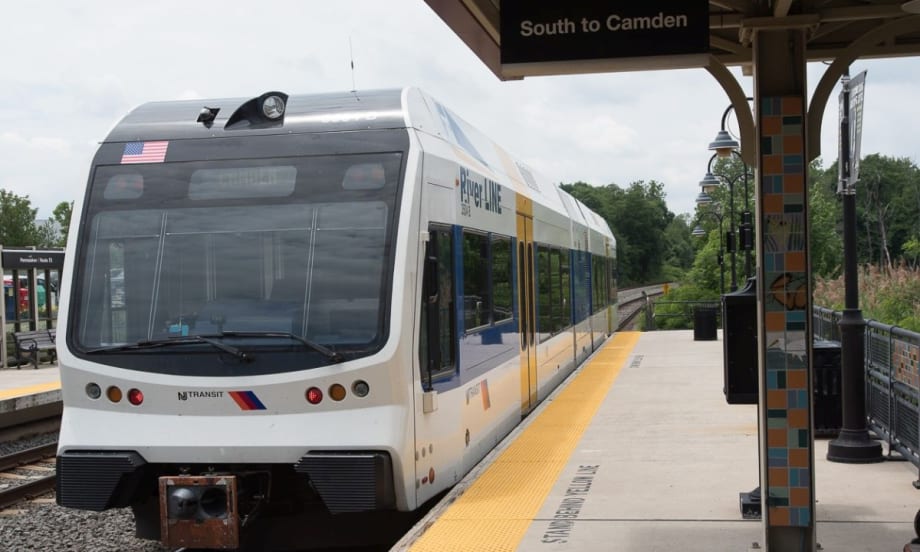
NJ TRANSIT Fiscal Year 2026 budgets continue investing in infrastructure and equipment to improve the rider experience.
Photo: NJ TRANSIT
3 min to read
This month, the NJ TRANSIT Board of Directors adopted the agency’s Fiscal Year 2026 (FY 2026) operating budget, local programs budget, and authorized capital funding.
To enhance the overall customer experience, the budgets continue to invest in infrastructure and equipment to maintain the system in good repair.
“Thanks to Governor Murphy’s support, NJ TRANSIT has the funding it needs to maintain its critical transportation services,” said DOT Commissioner and NJ TRANSIT Board Chair Fran O’Connor. “These services drive the economy and promote sustainable transportation throughout the region.”
“Together, the operating and capital budgets allow us to deliver safe, reliable service today while investing in the infrastructure that will shape a better customer experience tomorrow,” said NJ TRANSIT President & CEO Kris Kolluri. “Every element of this funding supports our mission to make public transit more reliable, accessible, and responsive to the needs of our riders.”
The board adopted an approximately $3.16 billion operating budget and estimated $1.7 billion in capital funding for FY 2026.
Funding Sources and Cost Breakdown
Customer fares make up 31% of the revenue in the FY 2026 operating budget, while the remaining amount comes from dedicated funding from the New Jersey Turnpike Authority, which is $470 million in FY 2026, $789 million from the corporate transit fee, and a combination of commercial revenue and state and federal resources.
According to an agency release, approximately 60% of the operating budget is dedicated to labor costs that support a workforce of approximately 12,000 employees. Expenses, including materials, fuel and power, utilities, and outside services, represent 22% of the total operating expenses.
Contracted transportation services, such as Access Link, private carrier buses, and Hudson-Bergen Light Rail (HBLR) and River LINE operation and maintenance, represent 10.6% of total operating expenses.
Capital Funding Appropriation
NJ TRANSIT’s Fiscal Year 2026 Capital Funding Appropriation totals $1.684 billion. It represents an expected funding source that will provide the funds needed to advance critical capital projects and other past and future annual appropriations.
The Capital Funding Appropriation is funded from several sources:
$768 million from the Federal Transit Administration (FTA).
$75 million in flexed funds from the Federal Highway Administration (FHWA) provided through the New Jersey Department of Transportation (DOT).
$767 million from the New Jersey Transportation Trust Fund (TTF).
$74 million of Casino Revenue, Local Match, and Turnpike Authority funds.
Supporting Seniors, Rural Areas, and Job Access
NJ TRANSIT partners with all 21 New Jersey counties to fund community transportation programs, as well as those offered by a variety of private non-profit organizations, counties, municipalities, and county improvement authorities, in meeting the mobility needs of New Jerseyans who depend on public transportation.
These programs include the following:
$46.1 million from the New Jersey Casino Revenue Fund to operate the statewide Senior Citizen and Disabled Resident Transportation Assistance Program (SCDRTAP).
$13.9 million for Federal Transit Administration (FTA) Section 5310 “Enhanced Mobility of Seniors and Individuals with Disabilities” programs, which provide federal funds for operating expenses and purchase vehicles and related equipment by private, non-profit agencies, and designated public entities. This includes $2.8 million in state funding to support local matching fund requirements.
$7.8 million for FTA Section 5311 “Formula Grants for Rural Areas” programs, which provide federal funds for capital, administrative, and operating assistance for public transportation services in and between small urban and rural areas of New Jersey. This includes $2 million in state funding to support local matching fund requirements.
$175,240 in federal funding for the FTA Section 5311(b)(3) Rural Transit Assistance Program, which provides training and technical assistance for small transit operators receiving funding through NJ TRANSIT’s Local Programs.
$1.02 million for FTA Section 5311 Rural Intercity Bus Transportation Program.
$5.5 million for the New Jersey Jobs Access and Reverse Commute (NJ-JARC) Program, under which counties and localities provide public transportation services to help residents obtain community transportation to employment opportunities.
$6 million in other funds passed through to sub-recipients.
More Management

METRO Opens Submissions for 2026 Motorcoach Awards
Nominations are now being accepted for METRO Magazine’s Operator of the Year and Innovative Operator of the Year awards.
Read More →
New York MTA Advances Final Contract for Second Avenue Subway Expansion
Contract Four is the largest in the Second Avenue Subway Phase 2 project and includes construction of station infrastructure, tracks, and signals for the subway expansion, MTA officials said. Work on Contract Four will begin in 2027.
Read More →
Transit Agencies Highlight Safety Gains at National Summit
Leaders from 15 major transit systems shared crime-reduction results and safety initiatives while discussing the role of continued federal support.
Read More →

NITA Names New Leadership, Expands Reduced-Fare Program at First Board Meeting
The new regional transit authority appointed its first board chair and interim executive director while extending reduced fares across CTA, Metra, and Pace for eligible riders.
Read More →
Beyond the Checklist: A Structured Approach to Transit Maintenance
Reliability-Centered Maintenance helps transit agencies move beyond routine checklists to focus limited resources on the assets and failures that have the greatest impact on safety, reliability, and service.
Read More →
APTA 2026 Nominating Committee Selects Leadership Slate, Names Chair and Vice Chair Nominees
Leadership changes will help shape the association’s priorities and its representation of the transportation industry during the 2026–2027 term.
Read More →
DART Launches Major Security, Fare Enforcement Initiative
The 90-day demonstration will deploy coordinated security teams at five light rail stations while testing controlled access and gathering data to guide future investments.
Read More →
Sponsored•September 9, 2026
Advancing Fare Collection Through Technology and Innovation
Learn about delivering 1300 gates at 91 stations while managing fare evasion. Explore the large scale deployment, solution customization and real-world results that affect the region. Prepare for deployment in your region now.
Read More →
Game Day in Motion: Moving Millions During the 2026 World Cup
Between packed transit stations and team motorcoaches, see how agencies and operators across North America tackled the transportation demands of the 2026 FIFA World Cup.
Read More →
Surface Transportation Extension Averts Shutdown, Leaves Transit Funding Gap
The stopgap keeps federal transportation programs moving, but missing advance funding could complicate the transit and rail projects agencies are planning next.
Read More →