



How Refurbishment is Driving Innovation at Everett Transit
By winning one of METRO’s Innovative Solutions Awards for Sustainability, this project underscores a crucial truth: in times of uncertainty, practical solutions often lead the way.

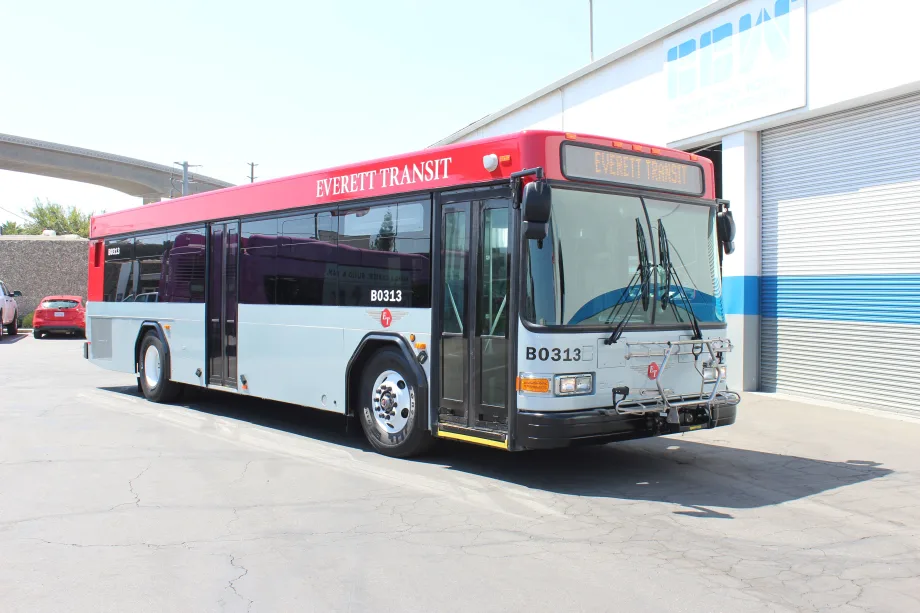
The traditional definition of transit innovation often centers around advanced technologies, zero-emission propulsion, or state-of-the-art manufacturing.
Photo: METRO
- Everett Transit's refurbishment project has won a METRO Innovative Solutions Award for Sustainability.
- The project highlights the importance of practical solutions during uncertain times.
- The award-winning initiative showcases how refurbishment can drive innovation.
*Summarized by AI
In a moment when transit agencies are grappling with aging fleets, long vehicle procurement lead times, and constrained capital budgets, innovation doesn’t always come in the form of a shiny new bus. Sometimes it comes rebuilt on a chassis that has already logged thousands of miles.
That’s precisely what happened at Washington State’s Everett Transit, where a partnership with Complete Coach Works (CCW) turned strategic refurbishment into a model of innovation worth celebrating.
Refurbishment Over Replacement
The traditional definition of transit innovation often centers around advanced technologies, zero-emission propulsion, or state-of-the-art manufacturing.
But Everett Transit, facing a confluence of urgent operational needs, chose a different path rooted in practicality, sustainability, and long-term vision.
Rather than joining the queue for new bus deliveries delayed by global supply chain issues, Everett Transit partnered with CCW to breathe new life into its existing fleet.
Through a comprehensive refurbishment program, aging buses were transformed into like-new assets ready to meet the demands of daily service.
Everett Transit’s decision to pursue refurbishment was driven by a trio of challenges shared by agencies across the country, including:
- Aging fleets that require more frequent and costly repairs.
- Capital limitations that constrain the ability to replace a large number of buses.
- Severe procurement delays stemming from manufacturing backlogs and parts shortages.
The CCW refurbishment program directly addressed all three of these typical challenges. Each bus underwent a detailed assessment, followed by a tailored scope of work focused on safety, reliability, and rider comfort.
A Tailored, Turnkey Approach
The CCW/Everett Transit collaboration wasn’t a one-size-fits-all retrofit, but rather a precision effort.
Each vehicle’s condition and service expectations informed a custom refurbishment plan that included mechanical overhauls to improve performance and reliability, structural restoration to extend lifespan and enhance safety, interior upgrades for a more comfortable riding experience, and rebranding and exterior refinishing to match the agency's aesthetics.
Thanks to CCW’s vertically integrated capabilities, the entire process was executed efficiently and with minimal disruption to service, explained Mark Hollenbeck, CCW's business development manager.
“Together with Everett Transit, we developed a customized scope of work for every vehicle, prioritizing safety, mechanical reliability, and interior upgrades,” he said. “This collaborative approach ensured that every refurbishment aligned with the agency’s service requirements, rider expectations, and budget goals.”
Everett Transit has reported significantly reduced maintenance costs, improved vehicle reliability comparable to that of new buses, enhanced rider satisfaction with better interiors and aesthetics, and increased operational resilience with fewer service interruptions.
Most importantly, the agency maintained consistent, uninterrupted service to the community during a time when many others were forced to scale back due to a lack of operable vehicles.
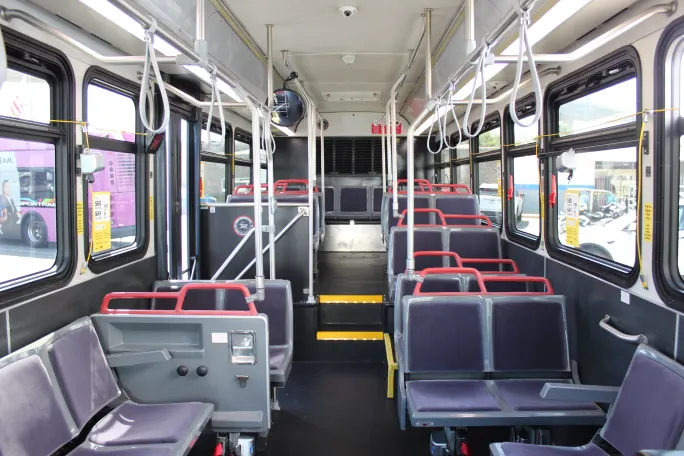
Rather than joining the queue for new bus deliveries delayed by global supply chain issues, Everett Transit partnered with CCW to breathe new life into its existing fleet.
Photo: METRO
Sustainable and Replicable at its Core
In a transit environment increasingly focused on sustainability, CCW’s approach offered Everett Transit an alternative that could help the agency achieve its goals with less financial investment than new, modern buses would have required.
Refurbishing a bus prevents thousands of pounds of raw material waste and reduces the carbon footprint associated with manufacturing and shipping new vehicles.
For Everett Transit, this meant embracing not only operational and budgetary sustainability but also environmental stewardship.
“Refurbishment is a strategic tool for agencies struggling with aging fleets, limited budgets, or procurement delays. We encourage a mindset shift that instead of waiting for new buses, agencies can invest in the resources they already have,” said Hollenbeck. “It’s a scalable, replicable model that protects service continuity while advancing long-term fleet goals.”
By winning one of METRO’s Innovative Solutions Awards for Sustainability, this project underscores a crucial truth: in times of uncertainty, practical solutions often lead the way.
Everett Transit’s embrace of refurbishment was not just a temporary fix but an innovative approach to achieving its goals.
“Everett Transit was thrilled to see this partnership recognized with an innovation award,” said Hollenbeck. “The agency viewed the refurbishment initiative not just as a necessary operational solution, but as a bold step toward rethinking how transit systems can maximize limited resources while still delivering high-quality service.”
Quick Answers
The award highlights exceptional projects that contribute to sustainability, demonstrating practical solutions in challenging times.
*Summarized by AI
More Bus
VIA, MBTA Reach Pre-Pandemic Ridership Milestones as Transit Use Climbs
VIA surpasses three million monthly trips for the first time since 2020, while the MBTA tops one million average weekday trips as both agencies report continued ridership growth.
What Transit Maintenance Facilities Should Know About Gas-Detection Placement
Proper gas-detector placement is critical to maintaining safety in transit maintenance facilities, requiring agencies to consider fleet fuel types, ventilation, shop operations, and ongoing equipment maintenance.

Improving Transit Safety and Reliability Through AI
Hayden AI’s Chief Growth Officer, Charley Territo, discusses how AI-powered camera enforcement is helping transit agencies keep bus lanes and stops clear, improve accessibility, and move from pilot programs to full-scale deployments.
Castro to Lead RTC of Southern Nevada and More in People Movement
In this edition, we also cover recent appointments and announcements at the STV, MCI, and more, showcasing the individuals helping to shape the future of transportation.
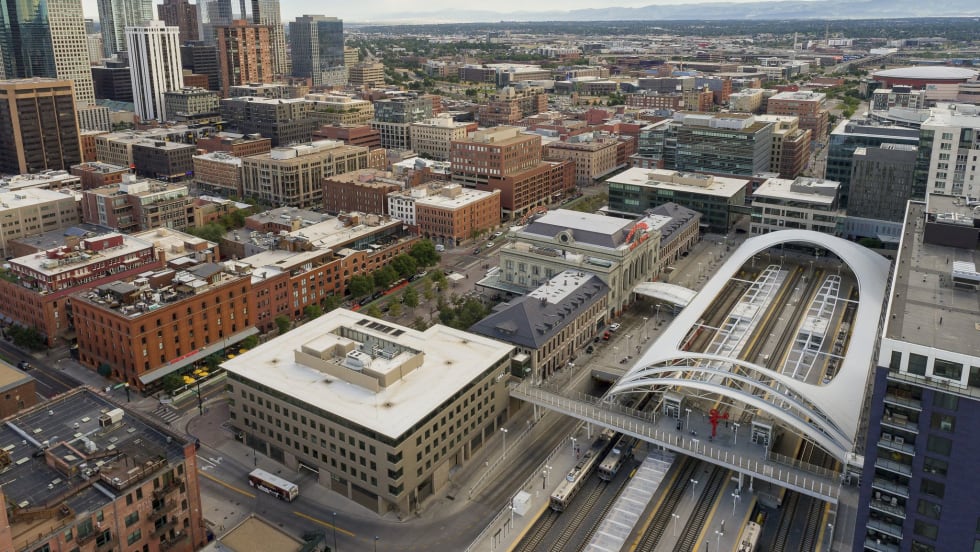
Study: Denver RTD Generates $2.1 Billion in Annual Economic Activity
An economic impact study finds the agency supports approximately 17,500 jobs, delivers $1.6 billion in annual community and mobility benefits, and generates $2.42 in economic value for every dollar invested.
Mark Aesch Nominated to Lead Federal Transit Administration
The former Rochester transit chief and TransPro founder, who has also contributed to METRO Magazine, brings decades of industry experience and a focus on performance, accountability, and financial sustainability to the nomination.

Pierce Transit Moves to Expand Fleet Following Proposition 1 Approval
The agency authorized the purchase or refurbishment of up to 60 buses to support a 47% service expansion, as voters nationwide approved billions in new transit funding.
Transit Expands Agency Partnerships, Reaching 200 Official App Partners
COO Jake Sion discusses Transit’s growth, the success of its Transit Royale program, and how technology is helping agencies improve the rider experience.
Everett Transit, Community Transit Approve Consolidation of Services
The agreement will bring Everett Transit into Community Transit’s network in April 2027, with plans to increase bus service by 50% by 2031 and expand regional connections.

Brian Dickson on Building Stronger, More Resilient Transportation Organizations
Bus Business Consultants Founder Brian Dickson discusses the leadership principles, operational discipline, and strategic planning that separate transportation companies positioned for long-term success from those stuck in survival mode.