



SamTrans Launches Major Bus-Charging Project
Under the $36.3 million agreement with Clark Construction Group, SamTrans will install high-capacity chargers, overhead pantograph dispensers, and upgraded electrical and communications systems at its South Base operations and maintenance facility in San Carlos.

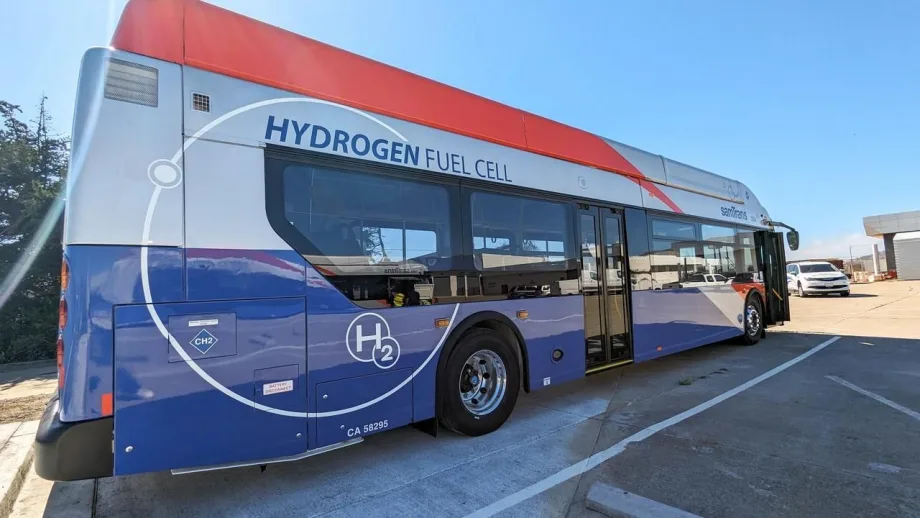
The first phase will power the agency’s 37 battery-electric buses operating out of the South Base facility, while laying the groundwork to support up to 110 additional zero-emission vehicles in the future.
Photo: SamTrans
The San Mateo County Transit District (SamTrans) board approved a pivotal agreement at its August meeting to construct state-of-the-art charging infrastructure for the District’s growing fleet of battery-electric buses in California — a significant step toward the bus agency’s goal of operating a 100% zero-emission fleet.
SamTrans’s New Agreement
Under the $36.3 million agreement with Clark Construction Group, SamTrans will install high-capacity chargers, overhead pantograph dispensers, and upgraded electrical and communications systems at its South Base operations and maintenance facility in San Carlos.
The first phase will power the agency’s 37 battery-electric buses operating out of the South Base facility, while laying the groundwork to support up to 110 additional zero-emission vehicles in the future.
“This investment is about more than just buses — it’s about cleaner air, healthier communities, and a more sustainable future for San Mateo County,” said SamTrans Director of Infrastructure Zhiming Fan. “By building the infrastructure now, we’re ensuring that zero-emission transit will be the backbone of our service for decades to come.”
The project also includes South Base entrance improvements and will be built under a Project Labor Agreement with local craft unions, ensuring strong labor standards and community benefits.
Funding and Moving Forward
Funding for the project comes from a combination of federal and state sources, including the Federal Transit Administration, the Bay Area Air District, the California Local Partner Program Competitive fund, and the Low Carbon Transit Operations Program. The board also approved a $13.9 million increase to the fiscal year 2026 Capital Budget to incorporate newly awarded grants.
Construction at South Base will begin later this year. When complete, the new charging infrastructure will position SamTrans to expand its zero-emission service, reduce greenhouse gas emissions, and improve air quality for the communities it serves.
SamTrans began its transition to zero-emission vehicles as part of its Innovative Clean Transit Plan, adopted to meet the California Air Resources Board’s requirement for all public transit agencies to operate a 100% zero-emission fleet by 2040.
More Zero Emissions

Building a Flexible Path to Transit Electrification with BAE's John Hroncich
John Hroncich discusses BAE Systems’ modular and scalable approach, lessons learned from decades of real-world operations, and how agencies can identify electrification strategies that fit their fleets.
Read More →
LA Metro Board Awards 220 Battery-Electric Bus Contract to ENC
The contract, which is the largest base award of battery-electric buses by a U.S. transit agency, will be built in Southern California, sustaining good jobs as LA prepares to welcome the world in 2028
Read More →
Public Transit Conference Returning to GFX in 2027, Call for Papers Now Open
The Call for Papers is now open, allowing transit agency professionals and industry experts to help shape the PTC educational program by submitting session ideas for consideration.
Read More →
Report: Transit Bus Manufacturing Supports 34,100 Jobs, $5.1B in GDP
The “Buses Mean Business” report examines the transit bus manufacturing industry’s economic footprint, supply chain, and rising demand for vehicle replacements.
Read More →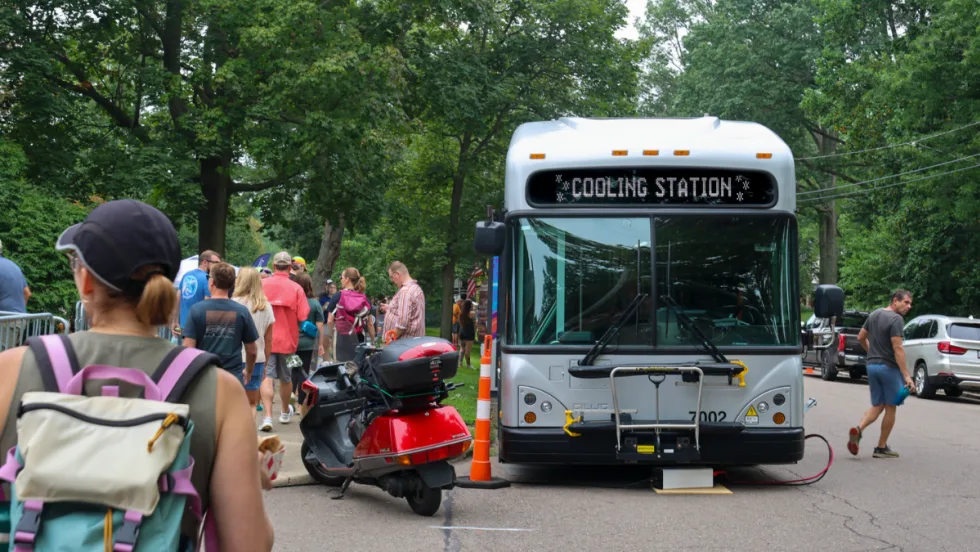
Ohio’s METRO RTA Turns Electric Buses into Mobile Power Sources at PorchROKR
See how three Gillig battery-electric buses powered festival stages while the agency’s new Park & Ride service carried approximately 1,000 attendees, demonstrating another potential use for transit agencies’ electric fleets.
Read More →
CALSTART and Forth Combine to Form Catalyst Mobility
The new name represents a renewed vision for the nonprofit focused on advancing clean, equitable, and affordable transportation solutions that move people and goods.
Read More →
Building a Flexible Path to Transit Electrification
John Hroncich discusses BAE Systems’ modular and scalable approach, lessons learned from decades of real-world operations, and how agencies can identify electrification strategies that fit their fleets.
Read More →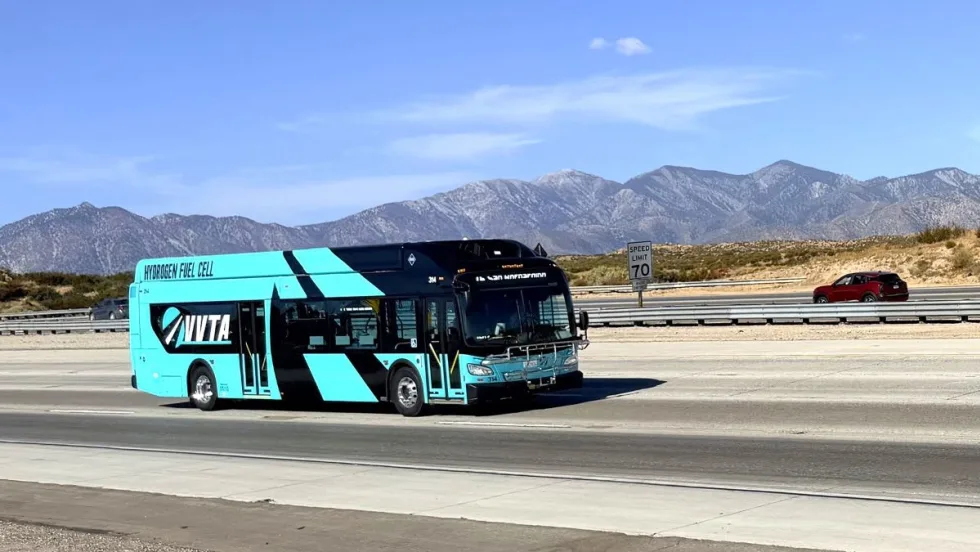
California's VVTA Begins Phased Rollout of Hydrogen Fuel Cell Buses
The agency is introducing 13 zero-emission buses into revenue service while evaluating performance across its urban, rural, and long-distance routes.
Read More →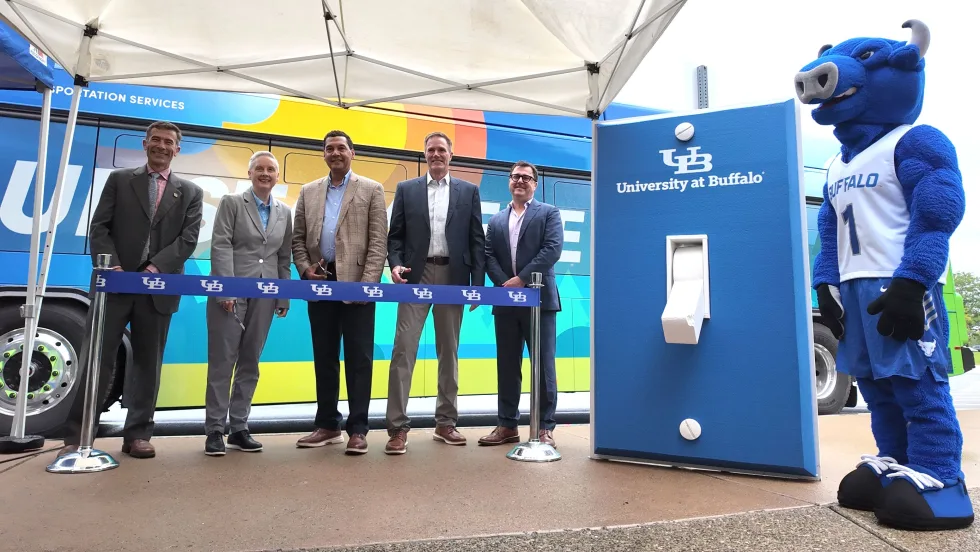
Inside Look: University at Buffalo Puts First 8 Electric Buses Into Stampede Service
UB, transportation solutions provider WeDriveU, and fleet electrification specialist Zenobē marked the deployment in the presence of students, university administrators, and local officials.
Read More →
Biz Briefs: OCTA Taps Clean Energy for Hydrogen Station, Stadler to Supply Via Rail Vehicles, and More
From manufacturers and suppliers to transit agencies and motorcoach operators, these updates offer a snapshot of the projects, partnerships and business moves driving the industry forward.
Read More →