




Keep Reading: Through Leadership, Laura Hendricks Builds A Culture and A Legacy
Transdev Extends University Shuttle Plans with Renewed Contracts
Transdev extends campus shuttle partnerships nationwide, renewing contracts with major universities in California, South Carolina, and Minnesota.
September 4, 2025
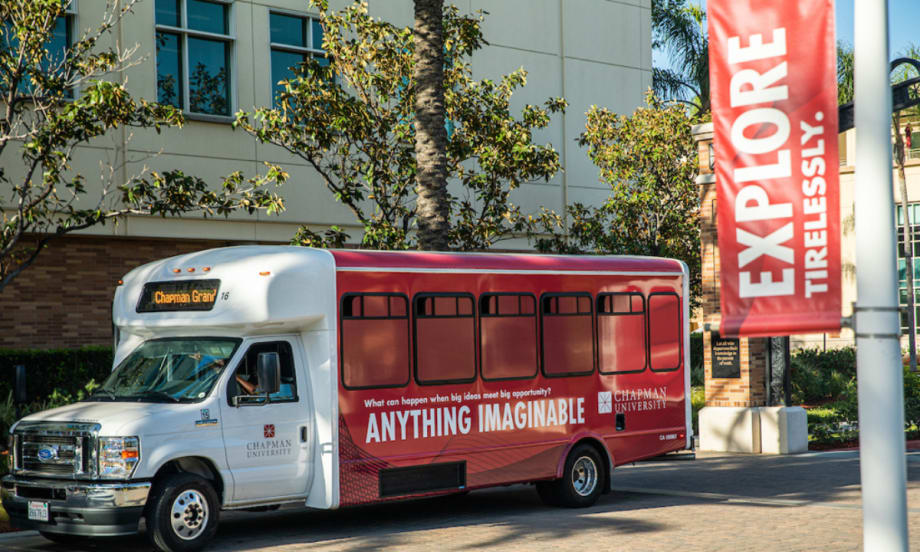
Chapman University’s 19-vehicle shuttle fleet provided 71,000 rides in six months.
Photo: Transdev
4 min to read
Transdev has renewed several major university shuttle contracts, including with Chapman University, Clemson University, and the University of Minnesota. The agreements add to the company's more than 32 active shuttle contracts with colleges across the country, part of its business line dedicated to higher education transportation.
Chapman University Advancing Flexible Campus Transit
Chapman University, located in California, extended its partnership with Transdev to continue to operate its on-campus shuttle system, effective June 1, 2025. The agreement marks the extension of a previous contract, entering a three-year commitment with two optional one-year extensions, reinforcing Chapman's commitment to enhancing campus mobility for students, faculty, and staff.
According to a release, the shuttle system, which includes a fleet of 19 university-owned vehicles powered by a mix of compressed natural gas (CNG) and gasoline, has already proven essential to campus life, providing over 71,000 rides in just six months.
"This is a high-touch, high-flexibility environment that demands more than a one-size-fits-all approach," said Rich Rogers, senior vice president of the Southwest region of Transdev U.S. "Chapman was looking for a team that shares their passion for quality, and we're thrilled to be that team."
The contract includes daily shuttle operations during the academic year, charter services for university events, a limited summer schedule, and flexible coordination to align with Chapman's evolving academic calendar.
To support the system, Transdev will provide a dedicated team of 19 drivers and three additional personnel responsible for daily operations and vehicle maintenance. In addition, Transdev will optimize services for the future to include advanced scheduling and autonomous capabilities with existing Transdev operations in the area.
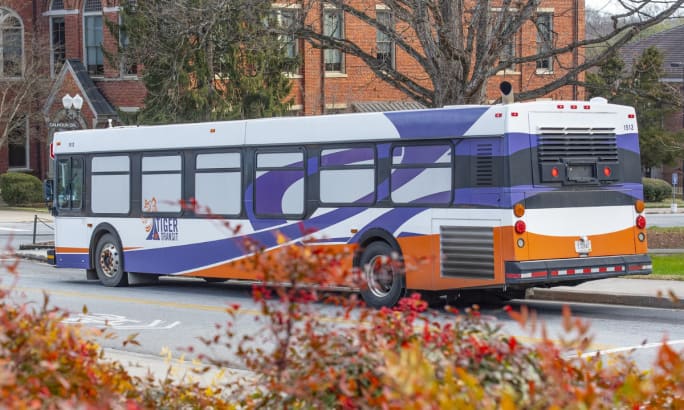
Clemson University’s shuttle fleet grows as Transdev invests in 13 new Gillig buses.
Photo: Transdev
Clemson University Renews Long-Term Commitment
Transdev's partnership with Clemson University, located in South Carolina, continues with a seven-year base contract, including four option years, to operate the Tiger Transit shuttle system. With this renewal, Transdev will procure 13 new Gillig diesel buses, expanding and modernizing the university's current 20-vehicle fleet. The service is supported by 23 drivers and seven staff, ensuring round-the-clock availability for students and employees.
"This isn't just transportation, it's an essential part of the student experience," said Nick Promponas, senior vice president of transit at Transdev U.S. "Our strength as a financially secure partner allows us to invest in new vehicles and long-term planning, setting Clemson up for success for years to come."
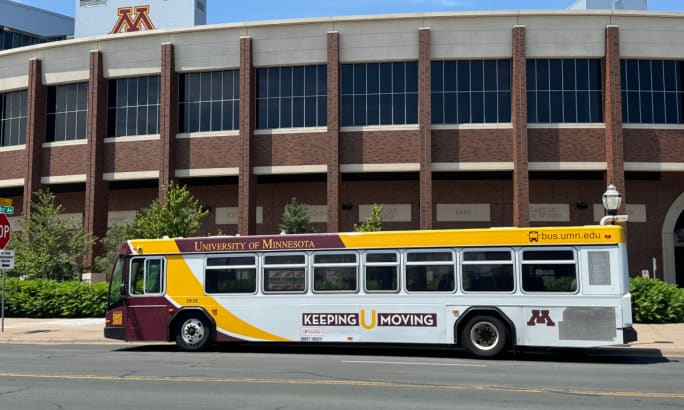
With 38 drivers and 25 staff, Transdev manages the University of Minnesota’s campus shuttle fleet.
Photo: Transdev
University of Minnesota Scaling for Complexity
In the Twin Cities, Transdev has been selected to continue operating and maintaining the University of Minnesota's 37-vehicle fleet, which includes cutaways and standard transit buses. With a service area covering both Minneapolis and St. Paul, this high-volume system demands rigorous coordination and operational excellence. Transdev will deploy 38 drivers and 25 support staff for the contract, which includes a three-year base term and three optional years.
"The University of Minnesota is a perfect example of how our scale, experience, and industry knowledge make us the best partner for complex shuttle systems to enhance the educational mission of our higher education partners," said Paul Buharin, senior vice president of the Midwest region at Transdev U.S.
According to a release, Transdev's strength in managing alternative fuel vehicles, including hybrids, also plays a key role in this partnership.
"We're leveraging our extensive expertise as an organization with alternative fuel vehicles to ensure that the local team has the skills and knowledge necessary to protect the life of the university's latest investment," said Sean Powers, director of business development at Transdev U.S.
How University Needs Differ From Public Transit
Campus shuttle systems differ significantly from traditional public transit. Schedules vary by semester, demand fluctuates throughout the day, and the need for charter flexibility, reliable planning, and adaptable service models is constant. Transdev's ability to respond to these service elements is unmatched.
"As a trusted partner to higher education institutions, we understand that campus shuttle systems do more than just move people — they create connections and make daily life easier for students, faculty, and staff," said Susan Sweat, chief operating officer at Transdev U.S. "Our commitment is to provide not only reliable and flexible service, but also the expertise and partnership that help universities plan for the future with confidence."
More Management

USDOT Announces $22 Million for Transit Innovation, Updates High-Speed Rail Rules
New federal transit funding will support safety, accessibility, and technology projects as updated rail regulations establish new noise standards for high-speed trains.
Read More →
Transportation Construction Coalition Unveils Infrastructure Case Studies Ahead of Federal Funding Deadline
The coalition noted the next surface transportation bill should provide sustained investment in highways and public transit to strengthen freight movement, improve safety, and support economic growth.
Read More →
People Movement: American Bus Association Extends Ferguson and More
METRO’s People Movement highlights the latest leadership changes, promotions, and personnel news across the public transit, motorcoach, and people mobility sectors.
Read More →
METRO Magazine Announces 2026 Innovative Solutions Awards Winners
Projects Recognized for Advancing Mobility Through Technology, Accessibility, Workforce Innovation, and Operational Excellence
Read More →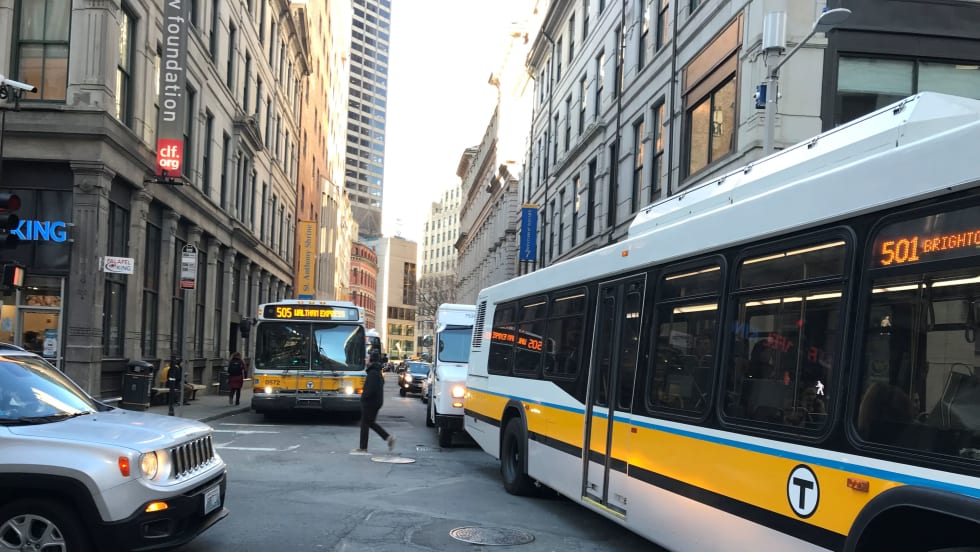
MBTA Rolls Out Pilot Programs to Cut Costs, Simplify Travel
Three new fare pilots — including unlimited two-hour transfers, reduced express bus fares, and free transit for eligible seniors — will launch this fall as Massachusetts extends popular commuter rail discounts through November.
Read More →
FTA Opens $610 Million Funding Opportunity for Bus Infrastructure Projects
The latest Notice of Funding Opportunity provides transit agencies with funding for bus facilities, fleet modernization, and low- and no-emission vehicles, with applications due September 21.
Read More →
Biz Briefs: STV teams with Amtrak, Motorcoach Operators Boost Fleet and Land Contracts, and More
From manufacturers and suppliers to transit agencies and motorcoach operators, these updates offer a snapshot of the projects, partnerships and business moves driving the industry forward.
Read More →
Massachusetts Approves $530M to Strengthen MBTA Operations, Infrastructure
The funding package targets operating stability, capital improvements, and fare affordability, offering a model for agencies navigating long-term funding challenges.
Read More →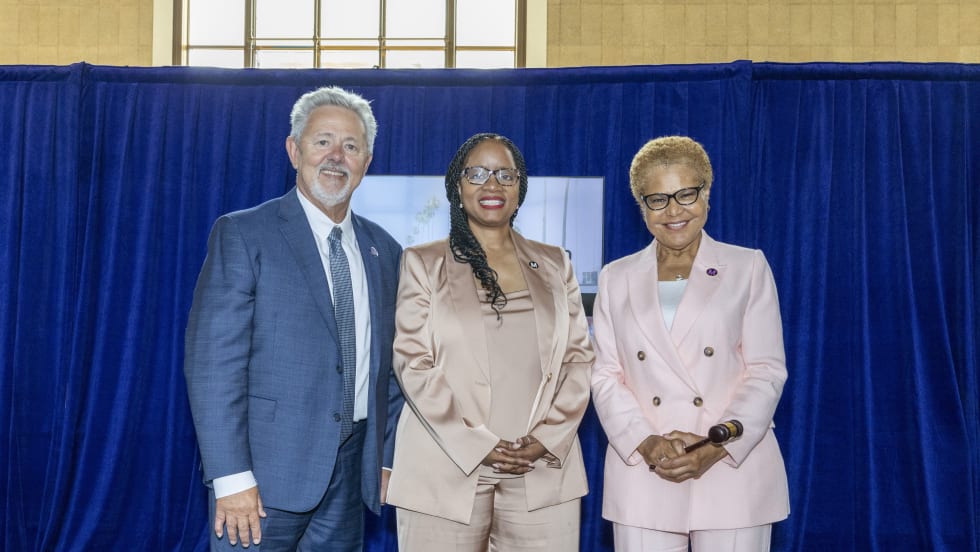
LA Metro Marks Banner Year, Sets Ambitious Goals for New Fiscal Year
Incoming LA Metro Board Chair and Los Angeles Mayor Karen Bass joined outgoing Board Chair Fernando Dutra and LA Metro CEO Stephanie Wiggins to review accomplishments from fiscal year 2026, which included the opening of new rail extensions, advancement of major transit projects, expanded safety programs, and new rider amenities.
Read More →
DART Taps Nathaniel P. Ford Sr. as Next President/CEO
Since 2012, Ford has served as the CEO of the Jacksonville Transportation Authority
Read More →