



Santa Clara VTA Breaks Ground on Microgrid Charging Project
The Cerone Microgrid Project pairs bus charging infrastructure with solar panels and a microgrid, which stores electricity onsite in large batteries and can keep buses accused in the event of a major blackout.

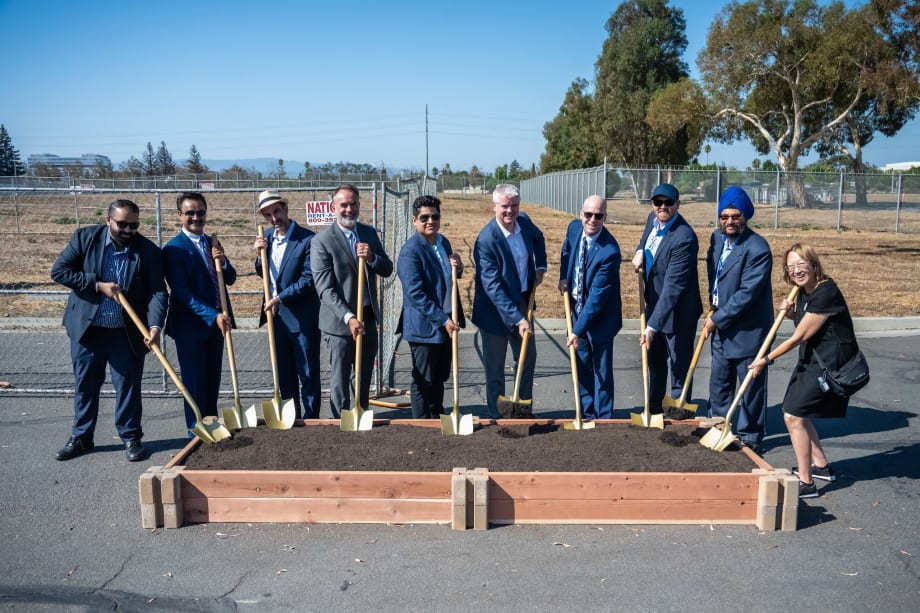
Automated smart charging will occur overnight, allowing VTA to minimize electrical costs and have the buses ready for service each morning.
Photo: VTA
An innovative project to charge dozens of electric transit buses broke ground at San Jose, California’s Santa Clara Valley Transportation Authority’s (VTA) Cerone Bus Division.
The Cerone Microgrid Project pairs bus charging infrastructure with solar panels and a microgrid, which stores electricity onsite in large batteries and can keep buses accused in the event of a major blackout.
VTA’s New Project
The inclusion of a Microgrid and solar panels makes the project unique among similar endeavors, as it will allow VTA to collect its own renewable energy to pair with grid electricity and power its zero-emission bus operations.
The microgrid is being built for VTA by Scale Microgrids to provide VTA with a sustainable and reliable platform to power its growing fleet of electric buses. Thirty-five battery-electric buses are expected to be delivered to VTA in 2026, which will take VTA a step closer to meeting the state goal for all California transit agencies to operate zero-emission fleets by 2040.
"By integrating on-site solar and battery storage, our microgrid will help VTA serve the region's public transit needs while reducing their electricity costs by over a third, cutting carbon emissions by more than 60%, and — most importantly — ensuring reliable operations to continue to serve the community even during power outages on the grid," said Neil Maguire, Scale's chief technology officer.
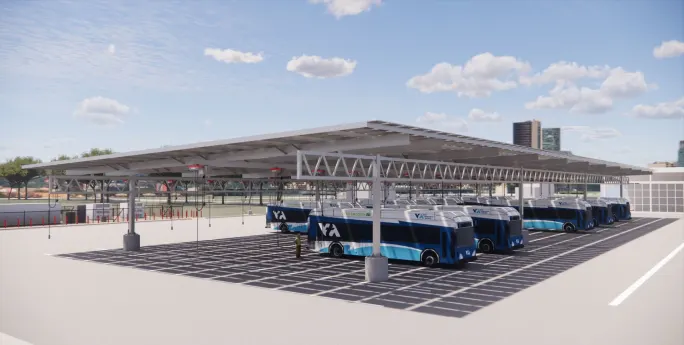
The microgrid is being built for VTA by Scale Microgrids to provide VTA with a sustainable and reliable platform to power its growing fleet of electric buses.
Photo: VTA
Bringing Sustainability to the Community
VTA’s Board Chair and Campbell Mayor Sergio Lopez lauded the agency’s commitment to helping to protect the environment in Santa Clara County.
“Expanding our zero-emission bus fleet reflects my priority to modernize VTA’s operations while improving air quality and reliability for the communities we serve,” said Lopez. “It also advances our commitment to equity. These new buses will serve Eastern and Central San Jose — areas with high transit use and historically high pollution,” Lopez said.
Automated smart charging will occur overnight, allowing VTA to minimize electrical costs and have the buses ready for service each morning. To meet VTA’s increased need for electricity, PG&E is upgrading the electrical capacity of the Cerone Division by 3 megawatts.
San Jose Clean Energy also supports this endeavor’s goal of reducing harmful vehicle emissions.
Lehigh University’s Institute of Cyber Physical Infrastructure is a leading research entity in the bright grid space, partnering with VTA to support the research and planning of the electric fleet rollout.
Altogether, VTA is projected to save approximately $1.2 million per year on energy costs, which can be allocated toward other operating needs, such as transit service, according to the agency.
More Zero Emissions

Building a Flexible Path to Transit Electrification with BAE's John Hroncich
John Hroncich discusses BAE Systems’ modular and scalable approach, lessons learned from decades of real-world operations, and how agencies can identify electrification strategies that fit their fleets.
Read More →
LA Metro Board Awards 220 Battery-Electric Bus Contract to ENC
The contract, which is the largest base award of battery-electric buses by a U.S. transit agency, will be built in Southern California, sustaining good jobs as LA prepares to welcome the world in 2028
Read More →
Public Transit Conference Returning to GFX in 2027, Call for Papers Now Open
The Call for Papers is now open, allowing transit agency professionals and industry experts to help shape the PTC educational program by submitting session ideas for consideration.
Read More →
Report: Transit Bus Manufacturing Supports 34,100 Jobs, $5.1B in GDP
The “Buses Mean Business” report examines the transit bus manufacturing industry’s economic footprint, supply chain, and rising demand for vehicle replacements.
Read More →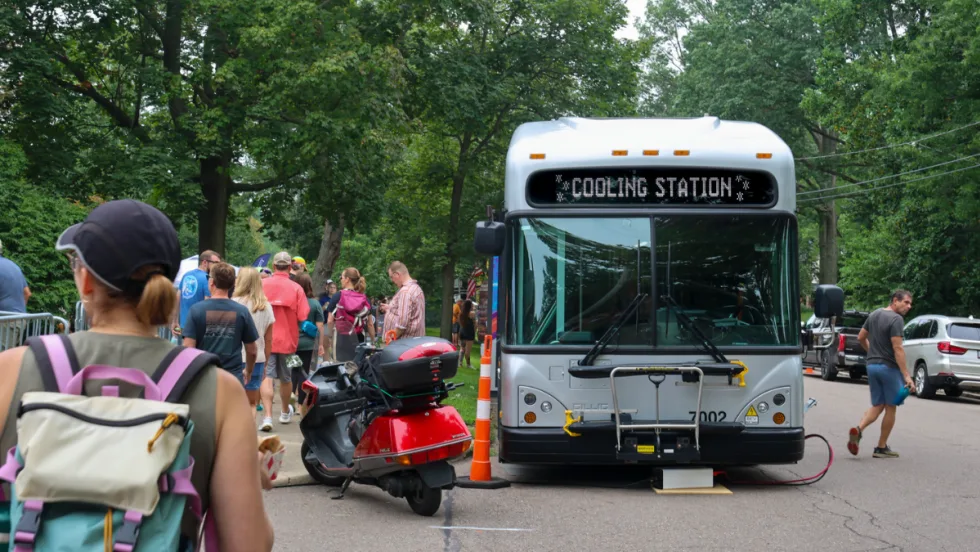
Ohio’s METRO RTA Turns Electric Buses into Mobile Power Sources at PorchROKR
See how three Gillig battery-electric buses powered festival stages while the agency’s new Park & Ride service carried approximately 1,000 attendees, demonstrating another potential use for transit agencies’ electric fleets.
Read More →
CALSTART and Forth Combine to Form Catalyst Mobility
The new name represents a renewed vision for the nonprofit focused on advancing clean, equitable, and affordable transportation solutions that move people and goods.
Read More →
Building a Flexible Path to Transit Electrification
John Hroncich discusses BAE Systems’ modular and scalable approach, lessons learned from decades of real-world operations, and how agencies can identify electrification strategies that fit their fleets.
Read More →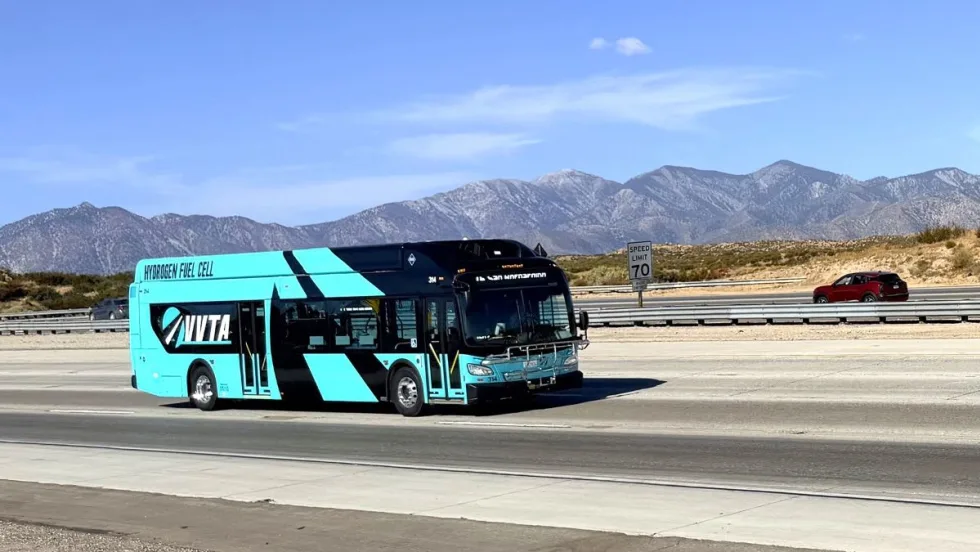
California's VVTA Begins Phased Rollout of Hydrogen Fuel Cell Buses
The agency is introducing 13 zero-emission buses into revenue service while evaluating performance across its urban, rural, and long-distance routes.
Read More →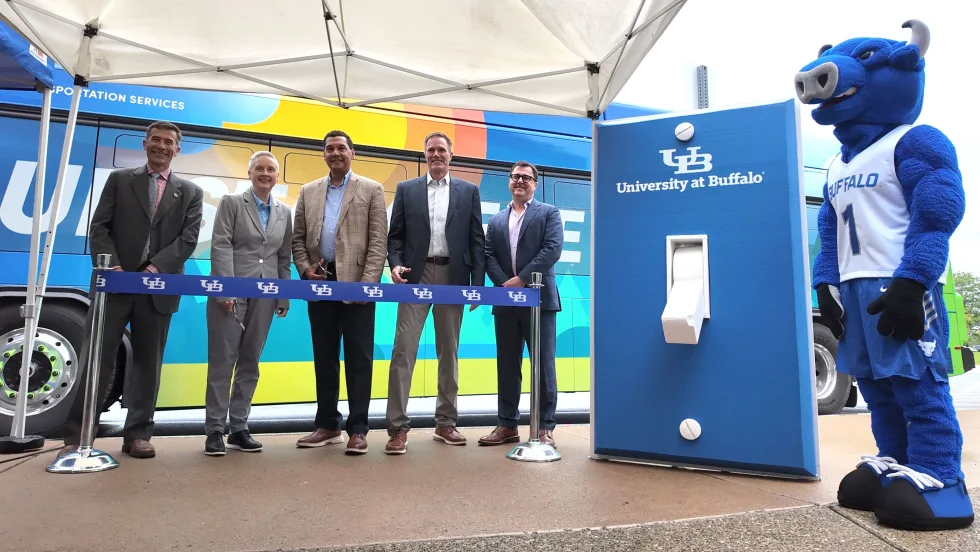
Inside Look: University at Buffalo Puts First 8 Electric Buses Into Stampede Service
UB, transportation solutions provider WeDriveU, and fleet electrification specialist Zenobē marked the deployment in the presence of students, university administrators, and local officials.
Read More →
Biz Briefs: OCTA Taps Clean Energy for Hydrogen Station, Stadler to Supply Via Rail Vehicles, and More
From manufacturers and suppliers to transit agencies and motorcoach operators, these updates offer a snapshot of the projects, partnerships and business moves driving the industry forward.
Read More →