




Keep Reading: Santa Clara VTA Breaks Ground on Microgrid Charging Project
Santa Clara VTA Confirms Single Bore Design for BART Silicon Valley Phase II
The agency has endorsed a large single-bore tunnel as the preferred design for Phase II, citing reduced risk, lower costs, and minimal downtown disruption.
October 20, 2025
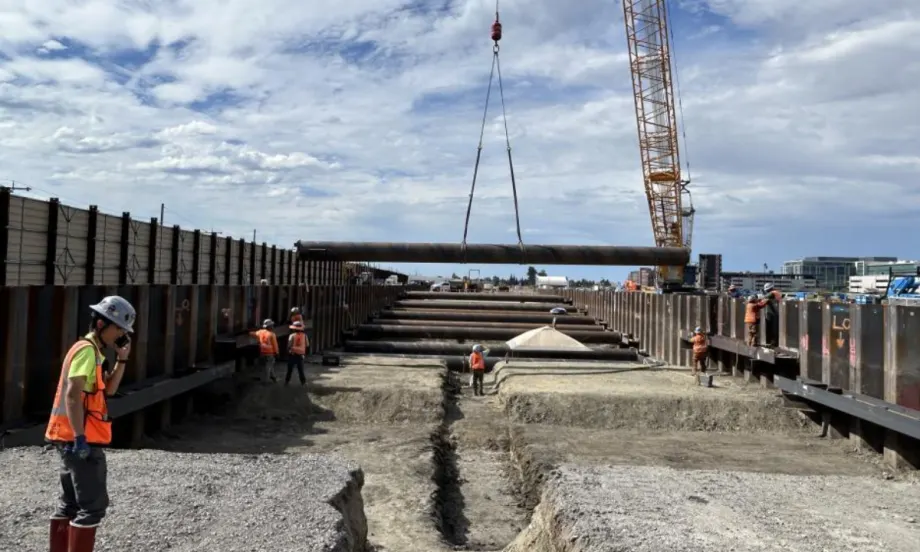
Construction of the tunnel boring machine entrance is underway at the BART Silicon Valley Phase II West Portal site in Santa Clara.
Photo: Valley Transportation Authority
2 min to read
The Santa Clara Valley Transportation Authority (VTA) has confirmed the large single bore as the preferred tunnel configuration for BART Silicon Valley Phase II, following a peer review conducted by tunneling and transit experts from major transit agencies across the country.
The VTA Board of Directors, in a special meeting recently, heard an extensive presentation on the peer review and its recommendations on moving forward with the largest public infrastructure project in Santa Clara County.
Following the discussion, the board voted in favor of the single bore as the most viable option, offering the best balance of constructability, feasibility, and lower overall risk. According to an agency release, it avoids the high cost, complexity, and downtown disruption associated with an alternative concurrent tunneling approach of using two boring machines.
This alternative would have required a cut-and-cover excavation in the heart of San Jose. The board’s decision allows VTA to advance project design towards 60% and meet the projected revenue service date.
The panel also included recommendations to ensure greater cost estimation, accuracy and budget alignment, reduce schedule delays and manage tunnel risk.
VTA Reinforces Tunneling Team and Industry Partnerships
With VTA now owning the Tunnel Boring Machine (TBM), the agency assumes full responsibility for its performance. To manage this risk, VTA will deploy a top-tier tunneling team and embed Herrenknecht engineers to support operations and reduce delays.
The panel also highlighted the limited pool of qualified contractors and skilled labor for large diameter tunneling. VTA will continue early engagement with the industry to secure experienced construction teams and develop a contract strategy toincreasebidder participation.
Lastly, according to the release, the peer review reinforces the importance of a strong VTA-BART partnership. Both agencies have agreed to reestablishing regular touchpoints and prioritizing communications between agencies.
More Management
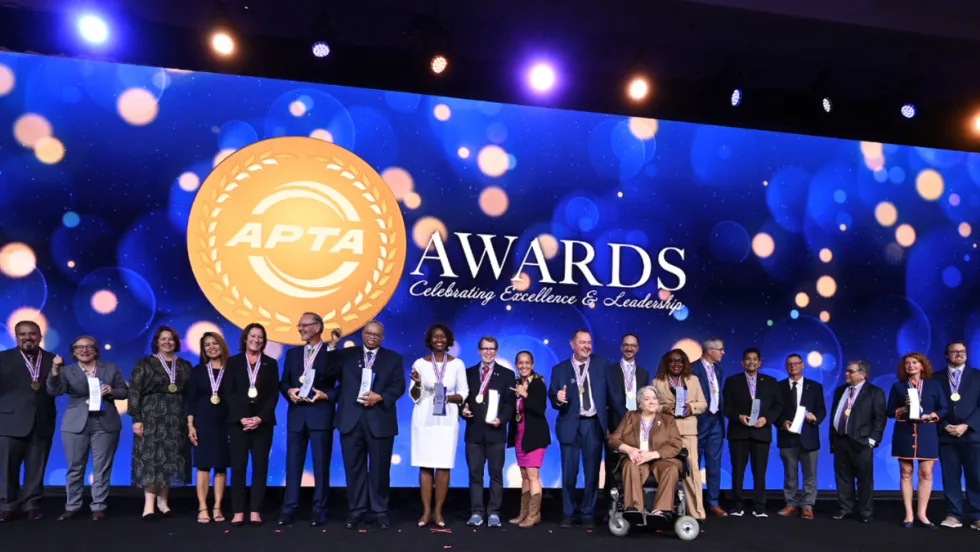
APTA Honors 2026 Award Winners, Hall of Fame Inductees at TRANSform & EXPO
Innovations in autonomous and zero-emission transportation, standout transit systems, and industry leadership took center stage among this year's honorees.
Read More →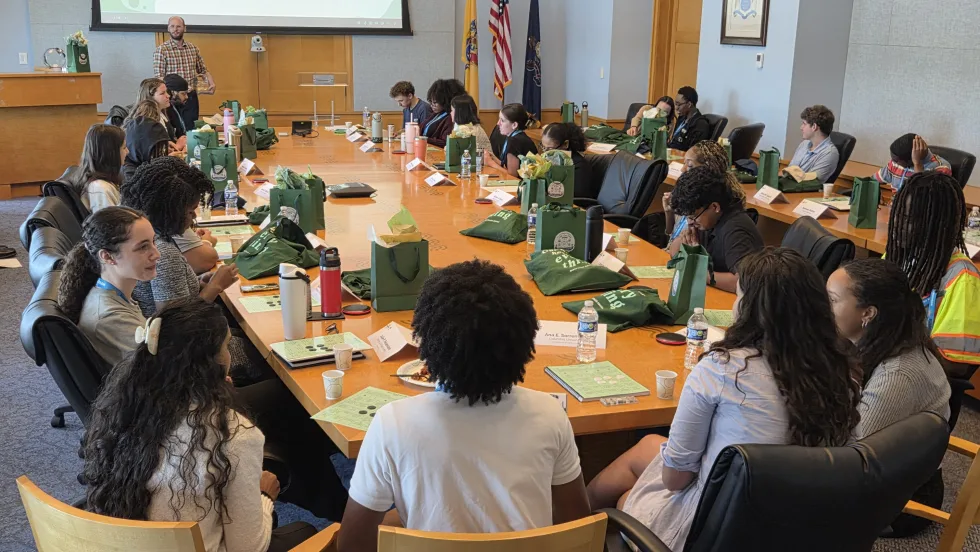
7 Ways to Build a Better Transit Internship Program
Lessons from DRPA/PATCO’s approach to creating a meaningful internship experience—and developing the next generation of transportation professionals.
Read More →
Scenes from APTA TRANSform & EXPO 2026
Transit leaders, manufacturers, and industry professionals gathered in Chicago to explore new technologies, share ideas, and discuss the future of public transportation.
Read More →
Building Stronger Leaders, More Resilient Transit Teams
Dr. Carol Parker Walsh discusses leadership development, employee retention, workplace culture, and preparing transit’s workforce for AI and automation.
Read More →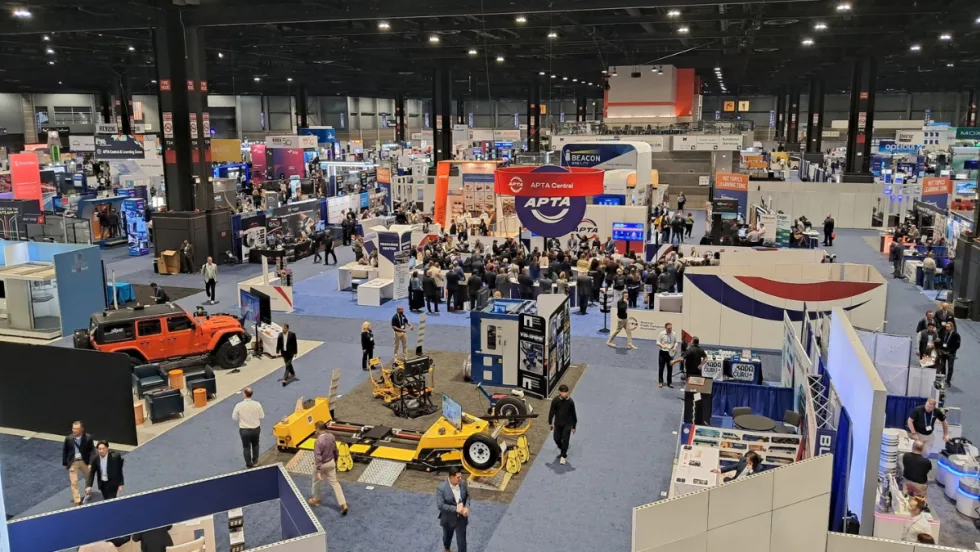
APTA 2026 TRANSform & EXPO Kicks Off in Chicago
After 45 years, APTA returns to Chicago with a focus on next-generation fleets, AI, connected transit networks, and the funding strategies shaping public transportation’s future.
Read More →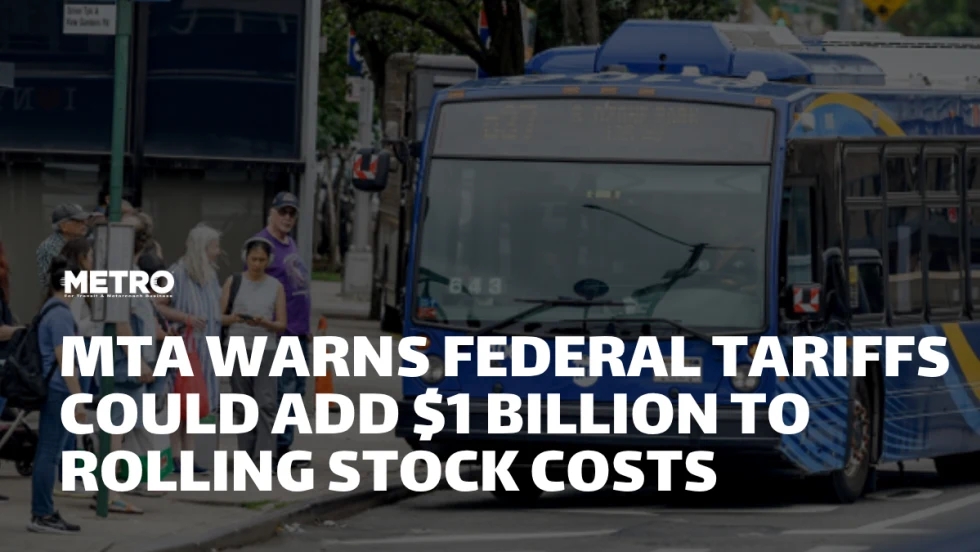
New York MTA Warns Federal Tariffs Could Add $1 Billion to Rolling Stock Costs
The agency said tariffs on specialized imported components could reduce the purchasing power of its $23 billion investment in new subway cars, railcars, and buses.
Read More →
From the Show Floor: What Happened at APTA TRANSform & EXPO 2026
See the latest product launches, partnerships, technology updates, and transit industry announcements from APTA TRANSform & EXPO in Chicago.
Read More →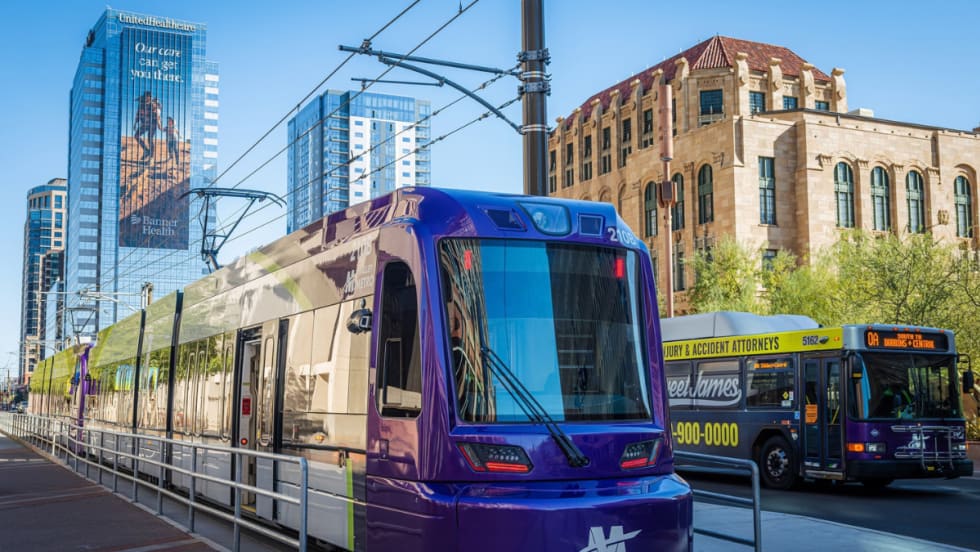
How Valley Metro Is Balancing Transit Growth With the Rider Experience
The APTA award-winning agency is pairing rapid system expansion with investments in workforce, safety, technology, and the fundamentals of transit service.
Read More →
Bus Tech Talk: Keeping Transit Technicians Ahead of the Technology Curve
In this episode of Bus Tech Talk, Complete Coach Works’ Business Development Manager Mark Hollenbeck and METRO’s Executive Editor Alex Roman sit down with Obed Mejia, Senior Technical Trainer for Bus Maintenance, at LA Metro to discuss how rapidly evolving bus technology is changing the maintenance shop — and the skills technicians need to keep pace.
Read More →
Michael Schneider Joins Paslay Group to Expand Transportation Practice
The longtime transportation executive will help Paslay Group grow its advisory and program management work across transit, highway, and other infrastructure sectors.
Read More →