




Miss This? California's VTA Seeks Governor's Intervention to Halt Strike
VTA Report Supports Single Bore Approach for BART Silicon Valley Project
The report reaffirms the single-bore design for the BART Silicon Valley project, highlighting its cost-effectiveness and minimal community disruption.
August 12, 2025
The VTA Board of Directors and the community continue to support the single bore design for its ability to minimize disruption.
Photo: VTA / METRO
2 min to read
The Santa Clara Valley Transportation Authority (VTA) recently released a detailed cost report analyzing the twin-bore tunneling method for the BART Silicon Valley Phase II (BSVII) Project. Developed in response to questions raised by the VTA Board of Directors, the report provides a clear and transparent look at the costs associated solely with the twin bore approach.
“This report underscores that we are on the right track,” said Carolyn Gonot, VTA general manager and CEO. “The findings reaffirm that the single bore approach remains the most cost-effective method to bring BART service into the heart of Silicon Valley.”
According to an agency release, the VTA Board of Directors and the community have consistently supported the single bore design, recognizing its advantages in minimizing community disruption, reducing surface construction impacts, and delivering transit more efficiently.
Key findings of the report highlight a higher cost for the twin bore due to the large cut-and-cover stations, challenging construction factors, and additional time required for design.
VTA Addresses Twin Bore Cost Analysis
The agency noted that the newly released report focuses exclusively on the twin bore method, offering an in-depth analysis and view of costs to ensure clarity and transparency for stakeholders and the public.
“Our board has raised the question of whether a design change to the twin bore would be cheaper and safer. This report is a direct response to that question,” said Tom Maguire, VTA chief megaprojects delivery officer. “It gives a clear picture of the costs involved with a twin bore tunnel and reinforces why the single bore approach remains the best choice for this project.”
Throughout the review process, the agency continued advancing the BSVII project, which will extend BART service six miles from the Berryessa/North San José Station through downtown San José to Santa Clara, by pursuing cost containment and cost avoidance strategies.
“We’ve been hard at work to keep BSVII on schedule and on budget, and this report validates the strategic decisions that are moving this critical project forward,” Gonot said.
More Management
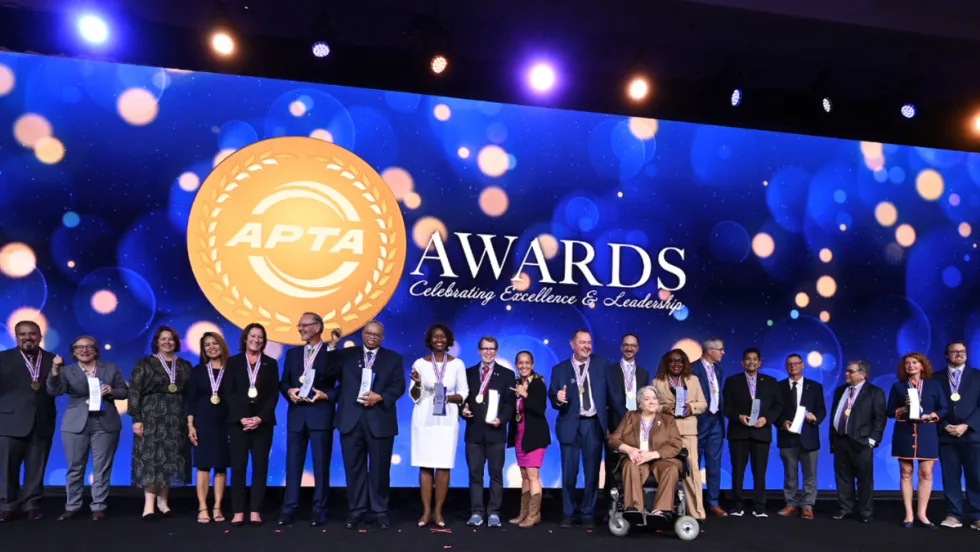
APTA Honors 2026 Award Winners, Hall of Fame Inductees at TRANSform & EXPO
Innovations in autonomous and zero-emission transportation, standout transit systems, and industry leadership took center stage among this year's honorees.
Read More →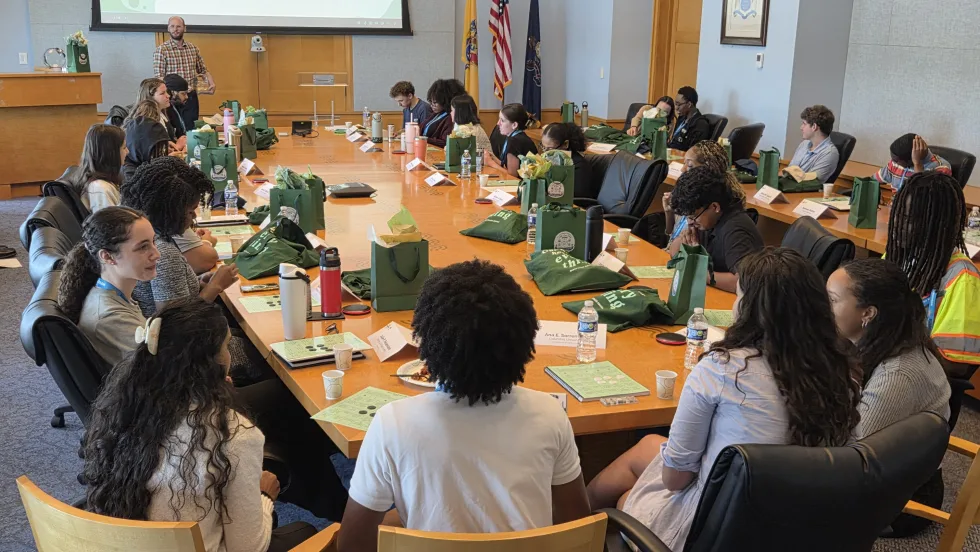
7 Ways to Build a Better Transit Internship Program
Lessons from DRPA/PATCO’s approach to creating a meaningful internship experience—and developing the next generation of transportation professionals.
Read More →
Scenes from APTA TRANSform & EXPO 2026
Transit leaders, manufacturers, and industry professionals gathered in Chicago to explore new technologies, share ideas, and discuss the future of public transportation.
Read More →
Building Stronger Leaders, More Resilient Transit Teams
Dr. Carol Parker Walsh discusses leadership development, employee retention, workplace culture, and preparing transit’s workforce for AI and automation.
Read More →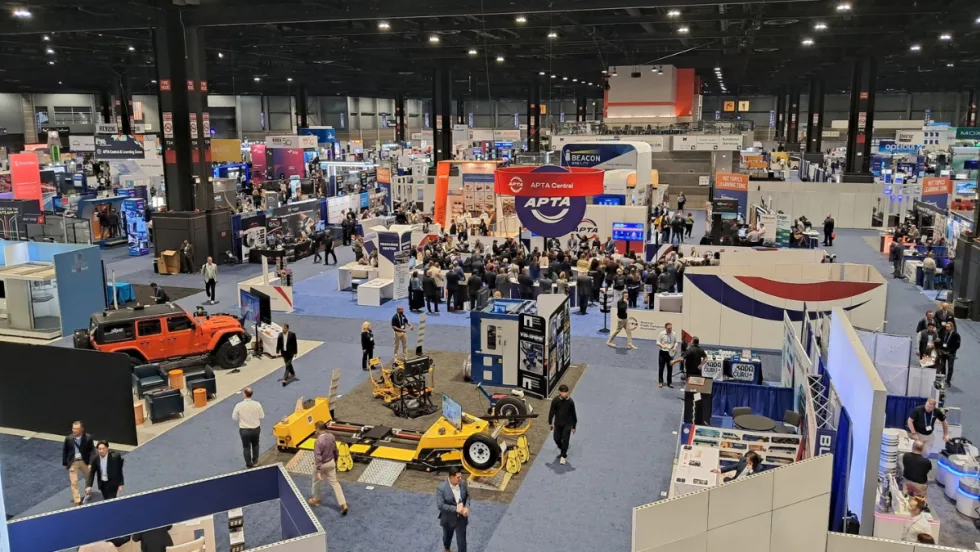
APTA 2026 TRANSform & EXPO Kicks Off in Chicago
After 45 years, APTA returns to Chicago with a focus on next-generation fleets, AI, connected transit networks, and the funding strategies shaping public transportation’s future.
Read More →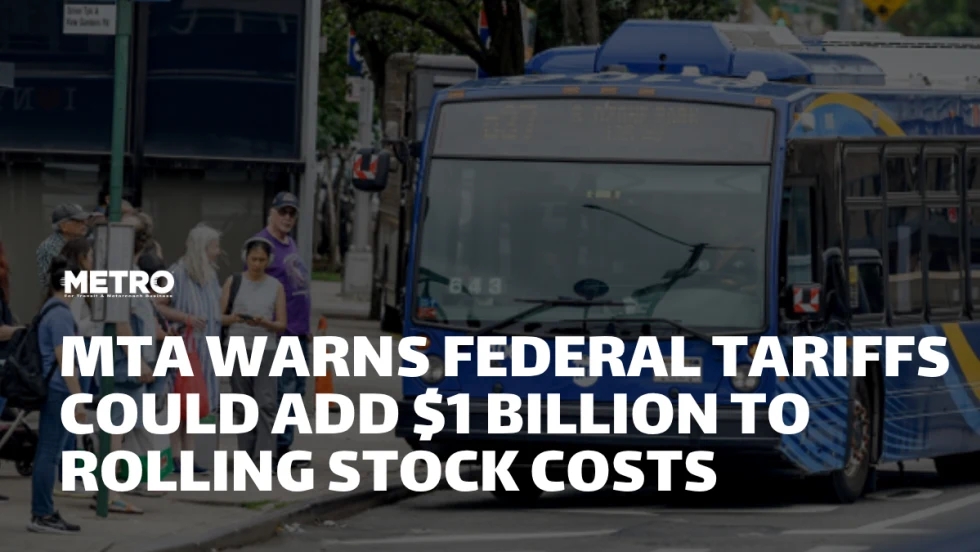
New York MTA Warns Federal Tariffs Could Add $1 Billion to Rolling Stock Costs
The agency said tariffs on specialized imported components could reduce the purchasing power of its $23 billion investment in new subway cars, railcars, and buses.
Read More →
From the Show Floor: What Happened at APTA TRANSform & EXPO 2026
See the latest product launches, partnerships, technology updates, and transit industry announcements from APTA TRANSform & EXPO in Chicago.
Read More →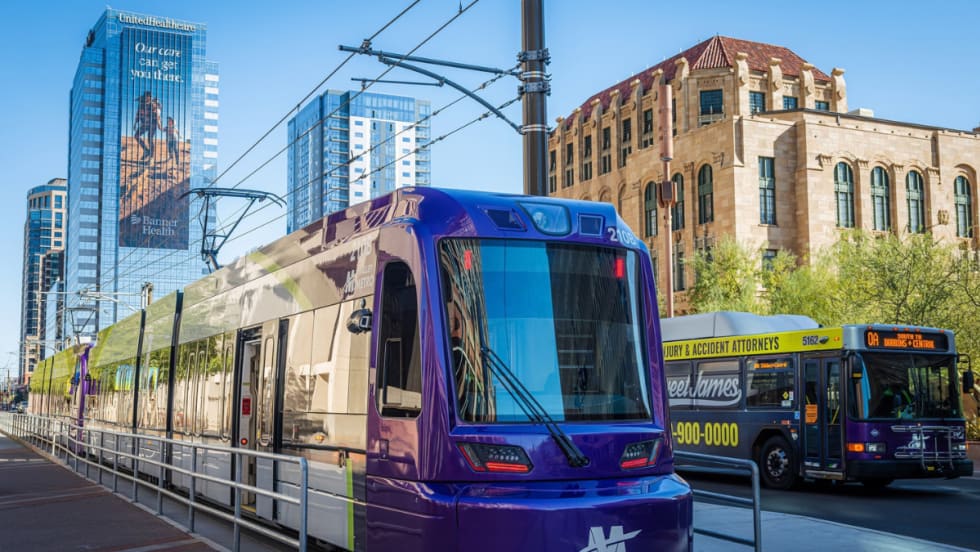
How Valley Metro Is Balancing Transit Growth With the Rider Experience
The APTA award-winning agency is pairing rapid system expansion with investments in workforce, safety, technology, and the fundamentals of transit service.
Read More →
Bus Tech Talk: Keeping Transit Technicians Ahead of the Technology Curve
In this episode of Bus Tech Talk, Complete Coach Works’ Business Development Manager Mark Hollenbeck and METRO’s Executive Editor Alex Roman sit down with Obed Mejia, Senior Technical Trainer for Bus Maintenance, at LA Metro to discuss how rapidly evolving bus technology is changing the maintenance shop — and the skills technicians need to keep pace.
Read More →
Michael Schneider Joins Paslay Group to Expand Transportation Practice
The longtime transportation executive will help Paslay Group grow its advisory and program management work across transit, highway, and other infrastructure sectors.
Read More →