



VTA Refines BART Silicon Valley Phase II Design to Control Costs, Preserve Vision
In a recent update to the BSVII Oversight Committee, VTA outlined a series of bold cost-saving strategies to strengthen its application for a Full Funding Grant Agreement from the Federal Transit Administration (FTA).

Since the fall of last year, the agency has zeroed in on reducing project costs without compromising the project's core vision.
Photo: VTA
The Santa Clara Valley Transportation Authority (VTA) is intensifying efforts to keep the BART Silicon Valley Phase II (BSVII) project on track in terms of timeline and budget.
In a recent update to the BSVII Oversight Committee, VTA outlined a series of bold cost-saving strategies to strengthen its application for a Full Funding Grant Agreement (FFGA) from the Federal Transit Administration (FTA).
With construction costs rising nationwide, VTA is taking a proactive stance.
Since the fall of last year, the agency has zeroed in on reducing project costs without compromising the project's core vision: a single-bore tunnel with four new stations and a maintenance facility, extending BART service deeper into San José.
Rethinking Tunnel Design to Unlock Savings
The cost review centers on a comprehensive analysis of tunnel size and construction methods — the most rigorous evaluation of the project to date.
The initiative, launched earlier this spring, explores alternative tunnel configurations, aiming to preserve the project scope while driving down expenses.
VTA aims to enhance project efficiency, safety, and long-term value by challenging long-standing design assumptions and embracing cutting-edge engineering approaches. This includes reevaluating construction techniques and layout strategies that could reduce material and labor costs — critical steps for a project of this scale and complexity.
Independent Oversight and Stakeholder Input
In a continued show of transparency, VTA will convene an additional Peer Review later this year, bringing in the FTA and other key partners for an independent evaluation of the tunnel design cost analysis. This review will help validate the agency’s findings and guide the next phase of design decisions.
Crucially, VTA is committed to engaging local stakeholders, including those impacted by construction in the Diridon Station area and Downtown San José. Public input and community perspective will play an essential role in shaping the final approach to building and implementation.
The strategy reflects VTA’s broader commitment to project excellence and fiscal stewardship. According to VTA officials, by balancing innovative solutions with disciplined financial management, the agency aims to deliver a system that fulfills its regional promise.
As BSVII moves forward, the agency said it remains focused on maintaining public trust and meeting the region’s growing mobility needs through wise, scalable transit investment.
More Rail

Scenes from APTA TRANSform & EXPO 2026
Transit leaders, manufacturers, and industry professionals gathered in Chicago to explore new technologies, share ideas, and discuss the future of public transportation.
Read More →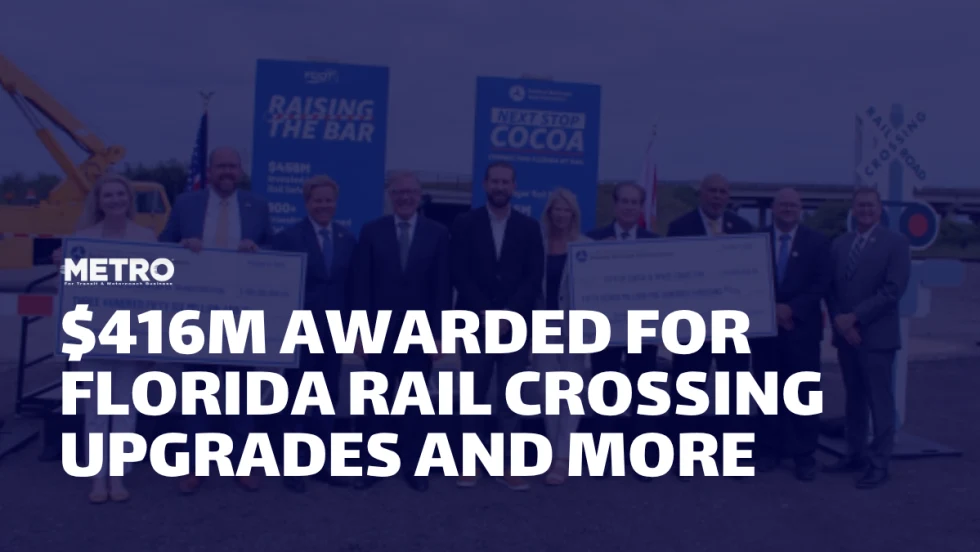
USDOT Awards $416 Million for Florida Rail Crossing Safety Upgrades, New Brightline Station
The projects aim to reduce risks for motorists and pedestrians at rail crossings while expanding passenger rail access along Florida’s Space Coast.
Read More →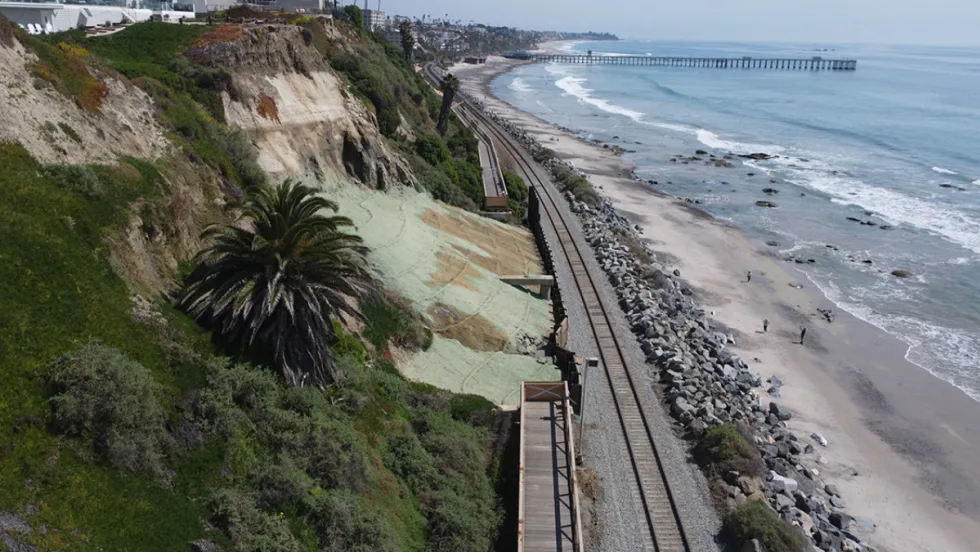
OCTA Declares Emergency to Protect Rail Corridor From Coastal Erosion
The California agency is accelerating shoreline protection and plans to place approximately 690,000 cubic yards of sand along the San Clemente coast to protect a key passenger and freight rail link.
Read More →
More Than a Summer Job: Building the Next Generation of Transit Talent
The Delaware River Port Authority and PATCO have transformed their internship program into a hands-on professional development experience that introduces students to the breadth of transportation careers — and creates a pipeline for future employees.
Read More →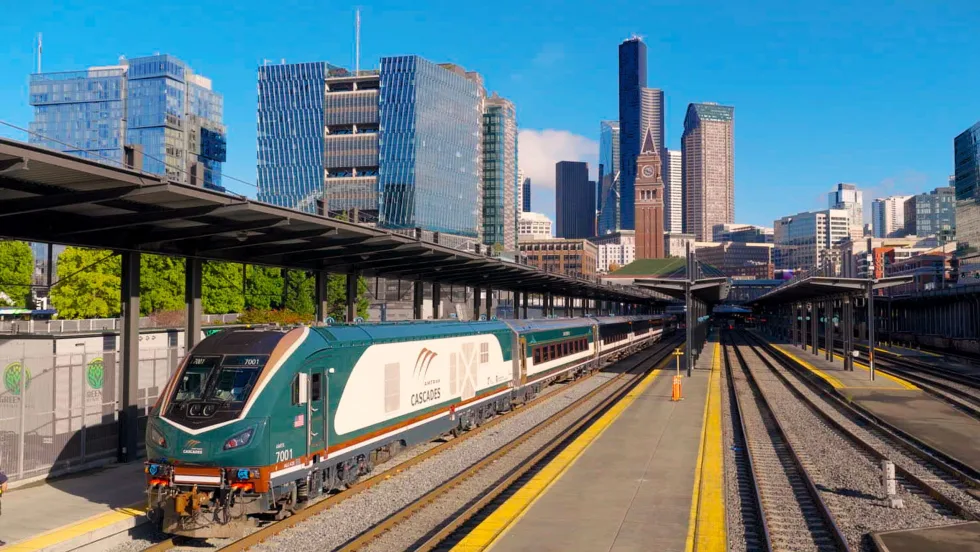
Airo Trains Make Their Amtrak Cascades Debut in the Pacific Northwest
Effective immediately, two cutting-edge Airo trainsets will join the Amtrak Cascades route, operating four daily trips between Vancouver, B.C., Seattle, Portland, and Eugene, Oregon, marking the first introduction of Airo trains into passenger service anywhere in the country.
Read More →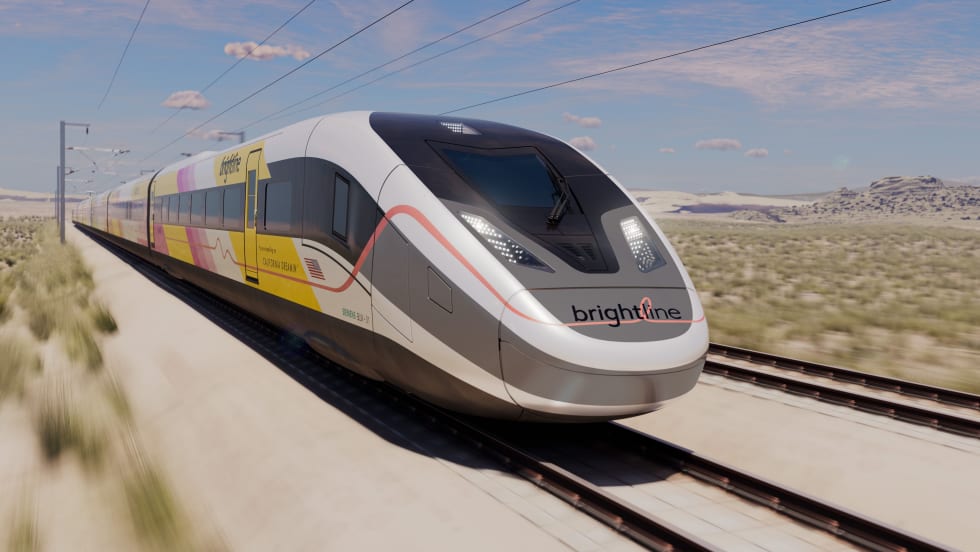
Florida's Brightline Announces Financial Restructuring
Brightline Florida says train operations will continue as normal as certain parent entities enter Chapter 11 and financial stakeholders provide $490 million in new long-term capital.
Read More →
ENC Lands MATA Contract and More in Biz Briefs
In this edition of Biz Briefs, we spotlight the latest developments shaping the future of mobility.
Read More →
Strada360’s Steve Lassey on Turning Transit Data Into Better Decisions
From breaking down data silos to preparing for AI, Strada360 CEO Steve Lassey discusses how transit agencies can use technology to improve operations, customer information, and long-term decision-making.
Read More →
SEPTA Details Accelerate Vision for Transit System
The plan outlines investments in trolley modernization, new Metro and Regional Rail vehicles, accessible stations, and more frequent bus and rail service.
Read More →
FTA Ends Direct Oversight of MBTA Safety Actions
The federal agency closed its remaining special directive to the Massachusetts Department of Public Utilities following a safety review that began in 2022.
Read More →