




Miss This? How TriMet is Leading the Way with Solar-Powered Digital Signage
Portland Police Return to TriMet Transit Police for the First Time Since 2020
Portland Police Bureau, Multnomah County Sheriff’s Office, and Port of Portland Police Department additions increase Transit Police staffing to 31.
October 23, 2025
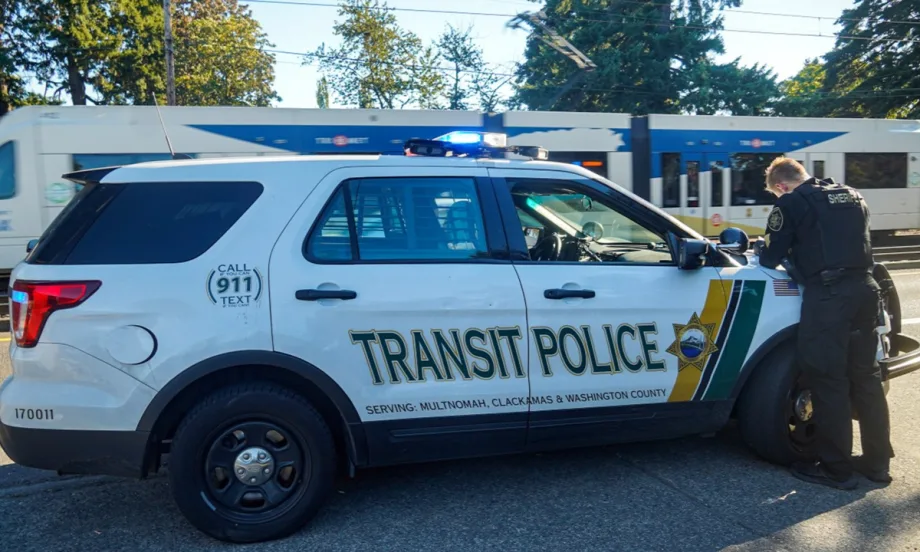
In addition to the PPB staff, the Multnomah County Sheriff’s Office recently added a lieutenant to Transit Police, and the Port of Portland Police Department added three more officers.
Photo: TriMet
2 min to read
TriMet and the Multnomah County Sheriff’s Office welcomed back the City of Portland and the Portland Police Bureau as members of the Transit Police Division during a recent joint news conference.
“As the largest city in TriMet’s service area, renewing our relationship with the City of Portland and the Portland Police Bureau is a benefit for TriMet, our riders, and the region,” TriMet General Manager Sam Desue Jr.
The City of Portland ended a previous agreement with TriMet in late 2020. The Multnomah County Sheriff’s Office became the law enforcement lead for Transit Police in 2021 and remains in that role.
“Welcoming the Portland Police Bureau back to Transit Police will increase our collective presence on the transit system, deterring crime, building trust, and reassuring riders,” Multnomah County Sheriff Nicole Morrisey O’Donnell said. “It will also expand our capacity for high-visibility safety missions focused on areas of public concern or with higher rates of criminal activity.”
“Over the past year, Portland has seen a promising decrease in crime, with both property and violent offenses trending downward,” Portland Mayor Keith Wilson said. “That improvement is the result of collaboration, community engagement, and tireless work by our law enforcement partners. Bringing the Portland Police Bureau back into the Transit Police Division builds directly on this momentum and helps ensure riders feel safe and supported.”
Joint Law Enforcement Effort Rebuilds TriMet Transit Police Presence
TriMet is contracting with the City of Portland for five PPB officers and one sergeant to serve on the Transit Police.
“The Portland Police Bureau is proud to rejoin Transit Police to help ensure the safety and security of our community on and around the transit system,” PPB Chief Bob Day said. “As our city continues to grow and evolve, a collaborative police presence on public transportation is essential. We look forward to working alongside our partners to support safe and reliable transit for all.”
In addition to the PPB staff, the Multnomah County Sheriff’s Office recently added a lieutenant to Transit Police, and the Port of Portland Police Department added three more officers.
“The more we’re able to collaborate across agencies, the better we can serve our community, ensure safety, and maintain a consistent presence throughout the TriMet system,” Port of Portland Public Safety & Security Director Beverly Pearman said.
The Transit Police Division will have 31 active officers with the return of PPB to the unit and the recent increase of law enforcement personnel from MCSO and the Port of Portland Police Department. Other members of the Transit Police include the Beaverton and Hillsboro police departments. TriMet pays the fully burdened rate for the law enforcement personnel assigned to Transit Police.
More Security and Safety
What Transit Maintenance Facilities Should Know About Gas-Detection Placement
Proper gas-detector placement is critical to maintaining safety in transit maintenance facilities, requiring agencies to consider fleet fuel types, ventilation, shop operations, and ongoing equipment maintenance.
RTC Reports Nearly 29% Drop in Transit Operator Assaults
The Las Vegas agency credits expanded security measures, training, and technology for improved safety in FY 2026, while security officers have helped save 19 lives through overdose-response efforts.

Improving Transit Safety and Reliability Through AI
Hayden AI’s Chief Growth Officer, Charley Territo, discusses how AI-powered camera enforcement is helping transit agencies keep bus lanes and stops clear, improve accessibility, and move from pilot programs to full-scale deployments.

Study: Denver RTD Generates $2.1 Billion in Annual Economic Activity
An economic impact study finds the agency supports approximately 17,500 jobs, delivers $1.6 billion in annual community and mobility benefits, and generates $2.42 in economic value for every dollar invested.

SEPTA Launches 'Reach' Program to Connect Vulnerable Individuals with Support
The initiative deploys specialists throughout Philadelphia’s transit system to connect individuals with housing, healthcare, and social services while addressing safety and quality-of-life concerns.

LADOT to Launch Bus-Mounted Camera Enforcement on DASH Buses
The program will begin with a 60-day warning period before citations are issued in January 2027, joining similar efforts across Southern California to improve bus reliability, safety, and accessibility.
New York MTA Launches Historic $1.9B Signal, Track Modernization Project
Funded in part by congestion pricing revenue, the project will replace nearly century-old signals along the A and C lines in Brooklyn and Queens.

CSA Group Releases Climate Resilience Standard for Transit, Passenger Rail
Developed with support from the Standards Council of Canada, CSA D700 guides assessing climate-related risks and planning adaptation measures for transit and passenger rail systems.
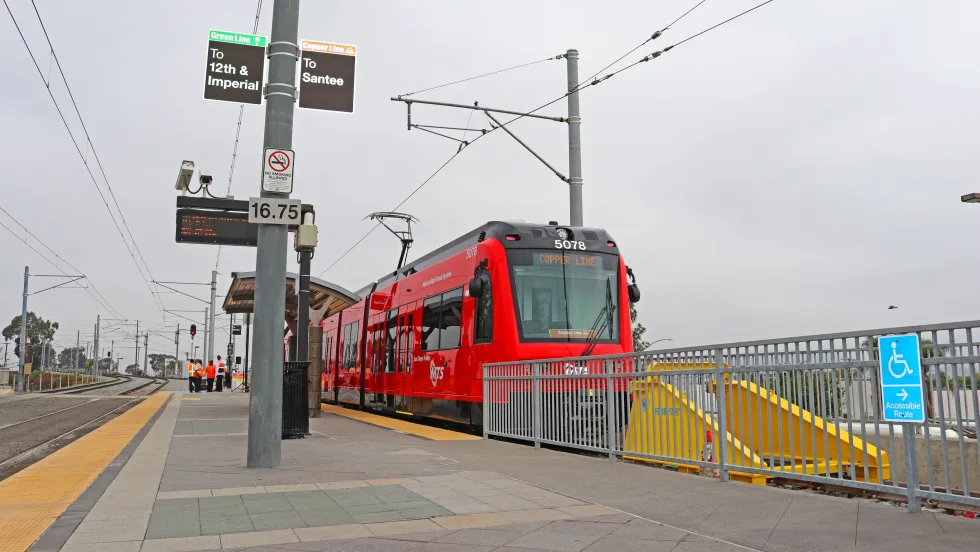
San Diego MTS Approves New Fare Evasion Penalty Program
The new administrative process will move eligible violations out of the criminal court system, cap penalties at $125, and provide flexible payment options for riders.
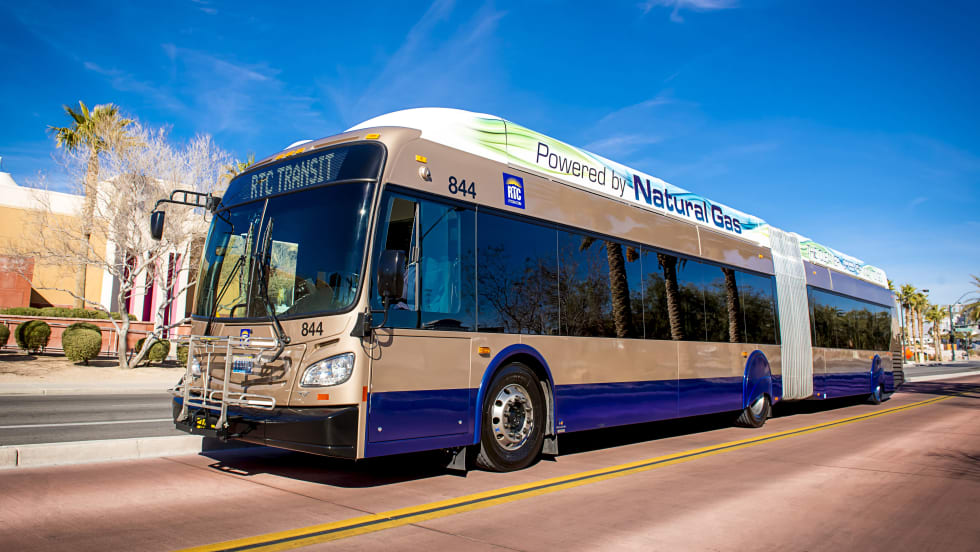
RTC of Southern Nevada Reports 29% Drop in Transit Operator Assaults
The agency credits expanded security measures, employee training, and technology investments for improvements in transit safety, while security officers have responded to 19 suspected overdoses since July.