



Survey Shows Strong Rider Satisfaction Scores for California's SamTrans
The survey, conducted from March 18 to May 6, gathered feedback from nearly 2,000 riders across the SamTrans system.

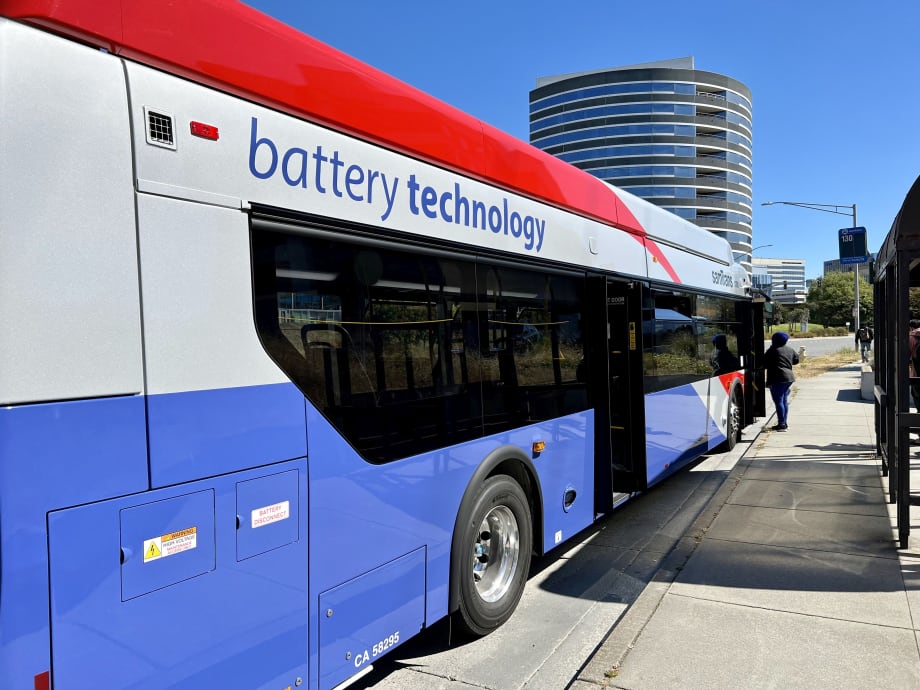
SamTrans has several improvement projects underway, including a Bus Stop and Shelter Improvement Plan at 220 priority locations, testing of new bench prototypes, and a Bus Stop Amenities Refresh to modernize design standards.
Photo: SamTrans/City of San Francisco
Riders on California’s SamTrans system continue to express strong satisfaction, with the agency’s 2025 Customer Satisfaction Survey reporting an overall score of 4.15 out of 5, reflecting solid performance across most service areas.
The survey, conducted from March 18 to May 6, gathered feedback from nearly 2,000 riders across the SamTrans system. It was offered in English, Spanish, Chinese, and Tagalog, with results weighted by route to reflect ridership patterns.
“We’re proud to see that our riders continue to rate SamTrans highly,” said SamTrans Market Research Manager Julian Jest. “The results also give us clear direction on where to focus next — especially in keeping bus stops clean, improving real-time information, and strengthening communications.”
Key Results
Eighty-two percent of riders reported being satisfied with their overall SamTrans experience, consistent with the 2024 results.
Top-rated categories include ease of using tickets onboard (4.43), helpfulness of the bus operator (4.25), and comfort of the ride (4.19).
Areas for improvement include the cleanliness of bus shelters (3.66) and the condition of benches (3.73).
Nearly half of riders (47%) said their SamTrans experience has improved over the past year, citing better reliability and cleaner buses and stops.
What’s Next?
SamTrans has several improvement projects underway, including a Bus Stop and Shelter Improvement Plan at 220 priority locations, testing of new bench prototypes, and a Bus Stop Amenities Refresh to modernize design standards.
Future initiatives include expanding real-time bus arrival tools, launching a Riders Influencing Decisions and Experiences (R.I.D.E.) feedback panel, and introducing a Customer Relationship Management (CRM) system to enhance rider engagement and connection.
“Customer feedback helps drive everything we do,” added Jest. “We’re committed to continuing improvements that make SamTrans safer, cleaner, and more reliable for everyone.”
More Management
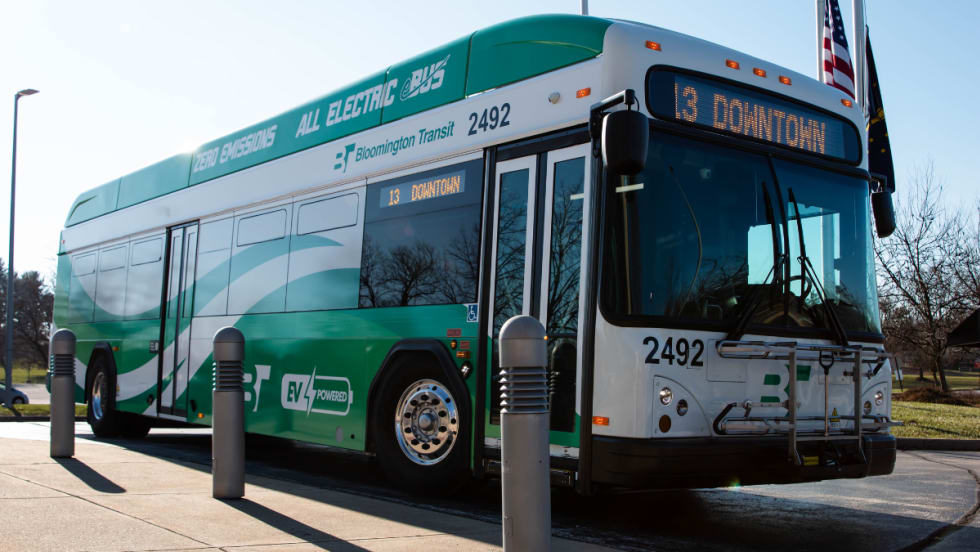
Can Better Branding Grow Ridership? Bloomington Transit Bets on a Unified Mobility Experience
See how the Indiana agency aims to simplify transit access through unified trip planning, expanded microtransit, and new payment options.
Read More →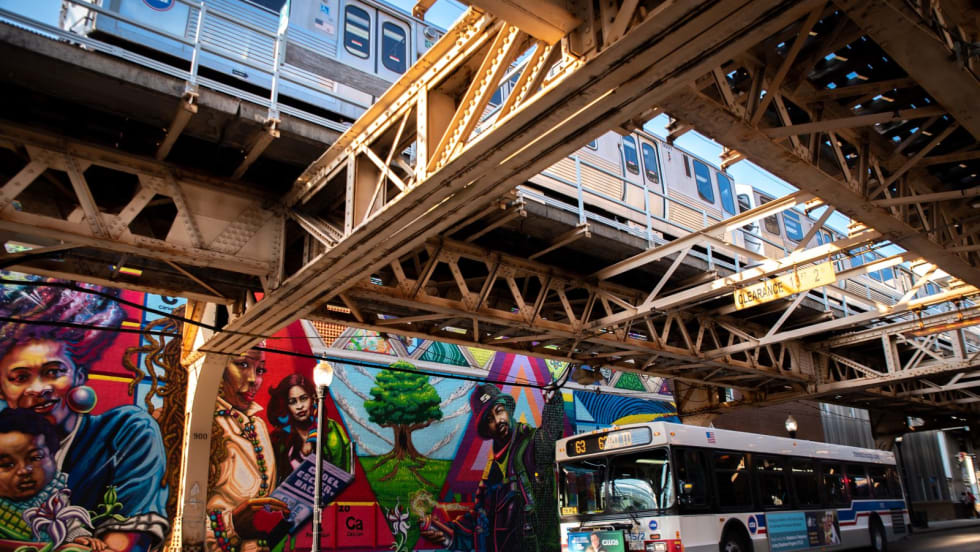
Chicago's NITA Act Moves Into Next Phase as Service Improvements Begin
Rider-focused improvements will begin rolling out across the system immediately as CTA, Metra, and Pace increase service this summer in the six-county region.
Read More →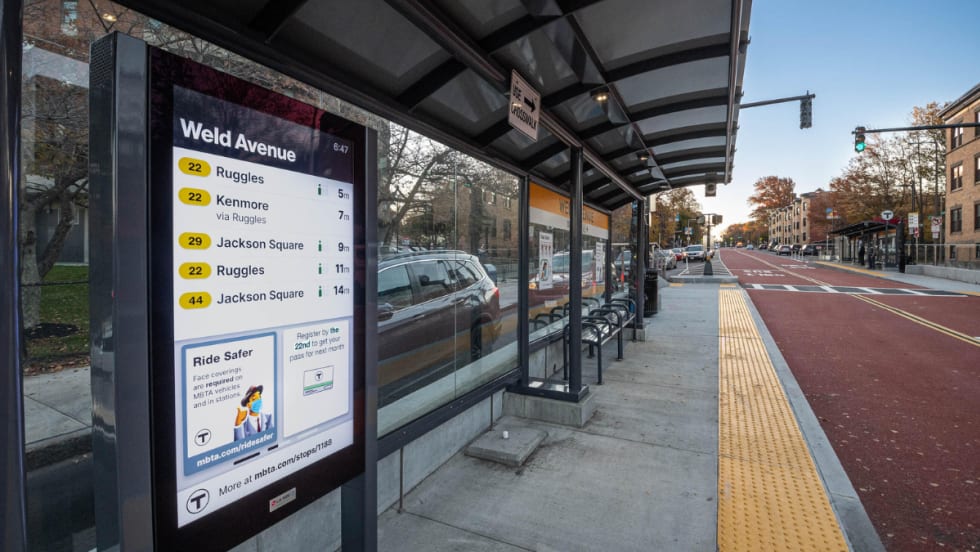
MBTA Board Approves $10.3 Billion Capital Plan Through 2031
The five-year plan funds more than 660 projects aimed at improving reliability, modernizing infrastructure, and enhancing the rider experience across the MBTA system.
Read More →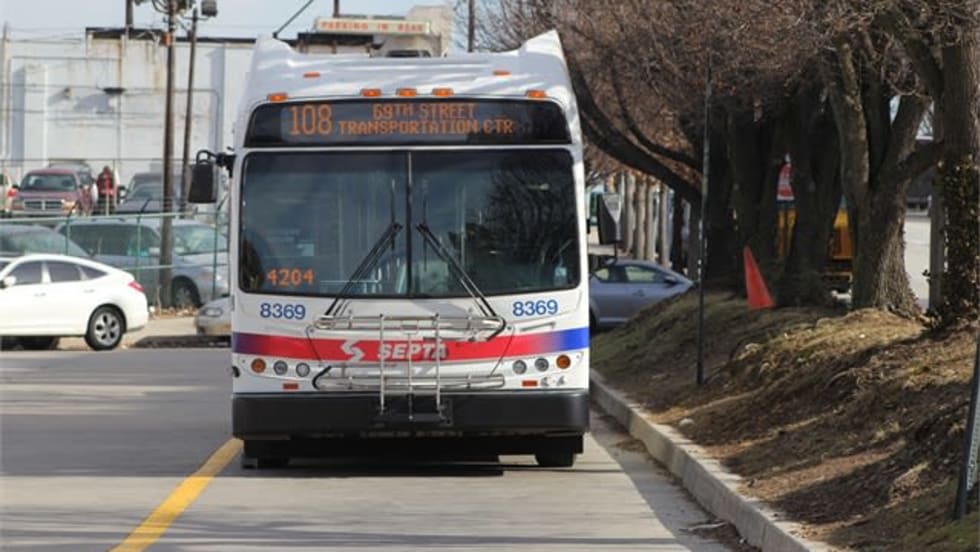
Philadelphia's SEPTA Approves Annual Transit Service Plan
Between 2021 and 2024, SEPTA held more than 200 public meetings — including 144 in-person sessions — throughout the SEPTA service region.
Read More →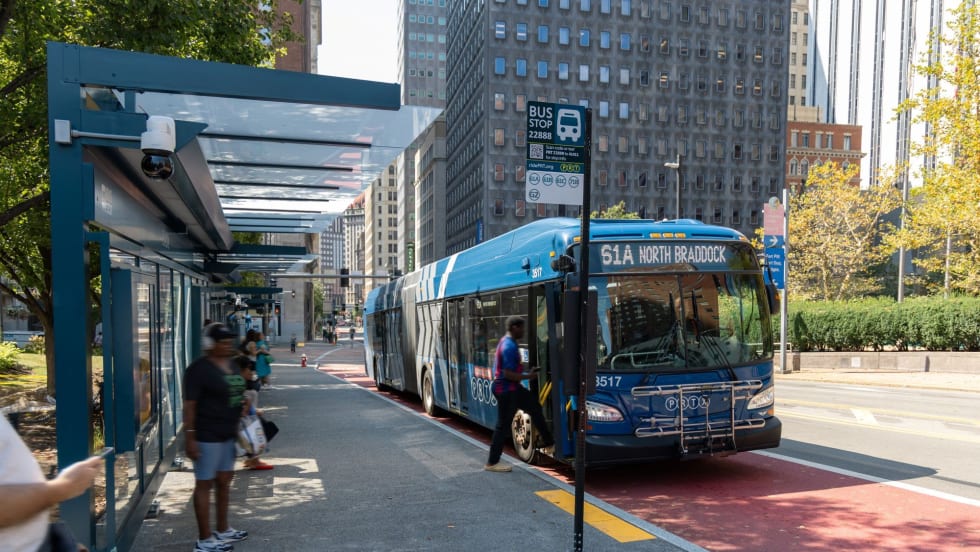
Pittsburgh Approves FY2027 Budget, Warns of Long-Term Funding Challenges
The FY2027 operating budget totals $595.7 million and does not include fare increases or service reductions. To balance the budget, PRT is using $44.8 million in capital funding and $15.4 million in operating reserves.
Read More →
Solving Operational Challenges with Next Gen Fleet Management
Delays. Service disruptions. Operator shortages. Today’s transit agencies are under pressure to do more with less. Discover how next-generation fleet management helps agencies overcome operational challenges with real-time visibility, AI-powered tools, cloud-native scalability, and smarter dispatching designed for the future of mobility.
Read More →
A True Low-Floor Minibus Design Delivers Better Accessibility and Efficiency for Everyone
As transit demands evolve, so should your fleet. Download the whitepaper to see how the Low-Floor Frontrunner Minibus compares to traditional options.
Read More →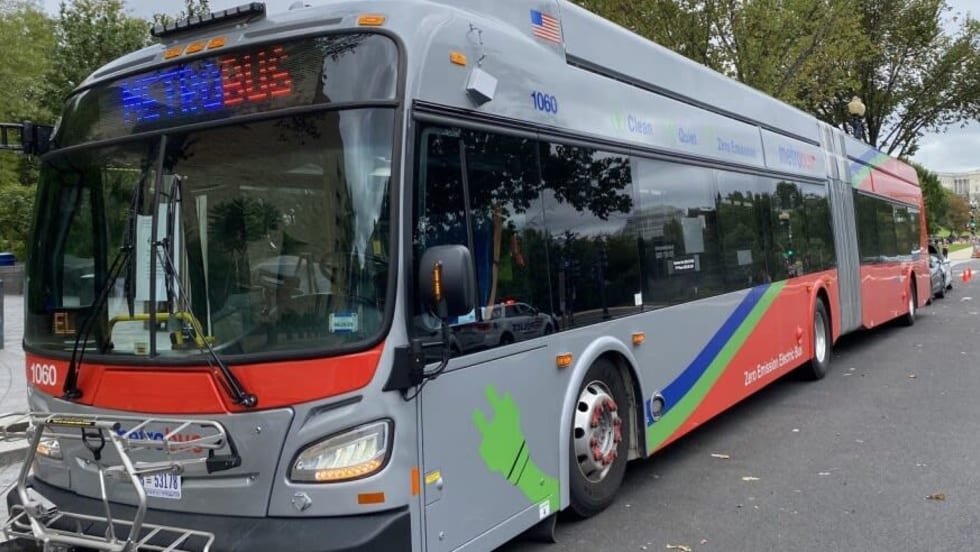
WMATA Debuts 'Fares Pay for Service' Awareness Campaign
The campaign was highlighted during a media event at the Paul S. Sarbanes Transit Center in Silver Spring, where WMATA’s GM/CEO Randy Clarke joined Metro Transit Police officers, WMATA management team, board members, and staff to expand fare enforcement and customer education efforts on Metro Bus routes throughout the region.
Read More →
Managing Complexity: HDR’s Brian Buchanan on Delivering Major Transit Programs
HDR’s transit program management lead discusses the challenges of overseeing large capital projects, adapting to cost and supply chain pressures, and the capabilities agencies need to build for the future.
Read More →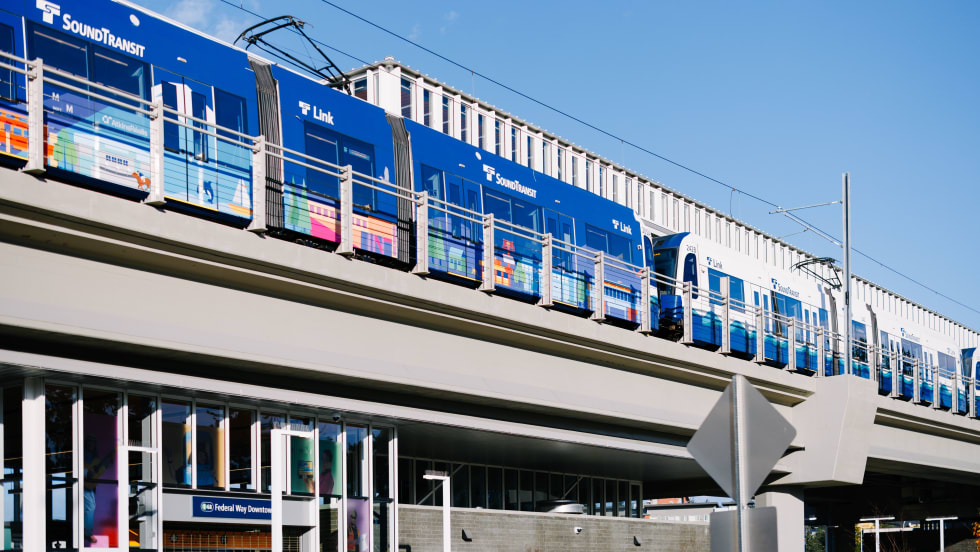
Seattle’s Sound Transit Adopts Updated ST3 System Plan
The updated system plan incorporates cost savings across the agency, including new revenue sources and financial policies, to set the agency on a sustainable path for the future.
Read More →