




Related: How Julie Chalmers Turned Family Legacy into Leadership Success
How Barbara Cline Built One of South Dakota’s Most Vital Transit Systems
Barbara Cline of Prairie Hills Transit turned a single van into a lifeline, connecting rural South Dakota through vision, service, and innovation.
November 26, 2025
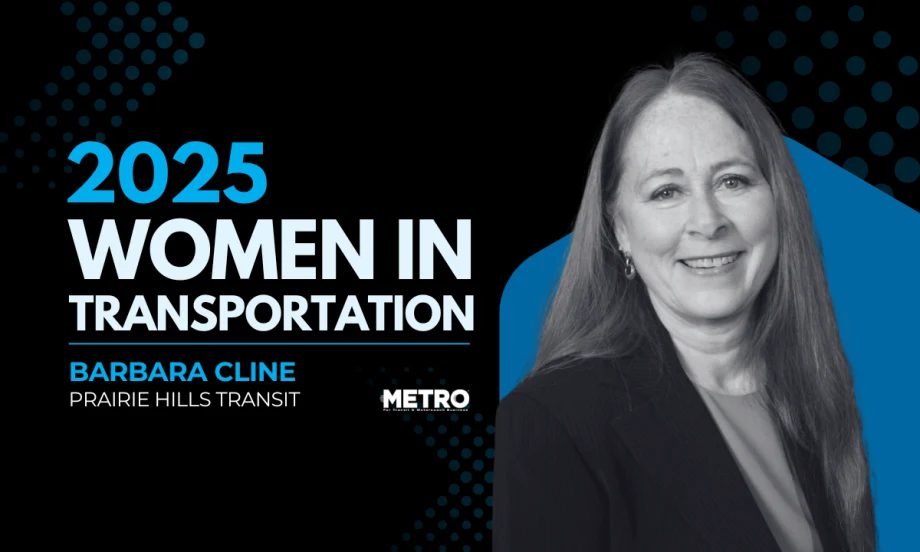
Barbara Cline is the executive director of Prairie Hills Transit in South Dakota.
Photo: METRO
5 min to read
- Barbara Cline transformed a single van into a crucial transit service for rural South Dakota.
- Her work with Prairie Hills Transit highlights the importance of vision and dedication in community service.
- Through innovation, she facilitated connectivity across rural areas, significantly enhancing local transportation.
*Summarized by AI
When Barbara Cline began delivering Meals on Wheels in Spearfish, South Dakota, she didn't plan to lead one of the most expansive rural transit systems in the state.
Through her work, she met seniors who couldn't reach meal sites, grocery stores, or medical appointments. She saw a more profound need within the elderly community and, with encouragement from her sister, a social worker, Cline decided to act.
"I concluded that I could write a grant, ask for a used van, and provide a few rides to help people," said Cline.
That decision, made over 30 years ago, grew into Prairie Hills Transit, which Cline is executive director — a lifeline serving riders of all ages across 16,500 square miles of western South Dakota.
In 2020, Cline became only the second woman ever inducted into the South Dakota Transportation Hall of Honor, recognized for her "commitment, passion, and vision for rural transportation." What began as a small effort to help local seniors now connects entire communities across one of the state's largest service regions.
How One Van Sparked a Regional Network
Cline's transportation career began in 1989 with the primary goal of filling a local gap. Her first project consisted of writing a grant, repurposing an old green healthcare company van given to her by her boss, and starting to givetially Spearfish Senior Transportation, word spread quickly. Cline recalled parents seeing the van driving around town and reaching out to get their children from daycare to school.
"It seems I've never learned to say no," said Cline. "My team and I are committed to doing our best to help people." In hindsight, she noted that the older folks loved having kids on the bus, and vice versa.
As more towns and demographics reached out, Cline worked tirelessly to expand service. Today, Prairie Hills Transit operates dozens of vehicles, employs trained drivers and staff, and provides vital connections for residents in small towns and rural areas.
Under Cline's leadership, the agency grew through collaboration and persistence.
"The vision continued to evolve for over 30 years as other communities realized that transportation for unserved populations is a true lifeline for their residents," she said. Whether helping a patient reach a rehabilitation center or a student get to school, Cline believes transportation is a foundation for opportunity.
Prairie Hills Transit's Propane-Powered Innovation
Cline has also positioned Prairie Hills Transit as a leader in sustainable transit. Her latest initiative, transition to propane-fueled buses, combines environmental responsibility with cost savings.
The agency built its own fueling station and proudly introduced the colorfully-wrapped fleet, which local communities have embraced. Even U.S. Senator John Thune stopped by to take a look.
"When all the federal grants started offering no-emission or low-emission vehicles, we decided to apply for propane buses as well as build a fueling station on-site," said Cline. "We love the colorful wraps, and the propane company wrapped three more vehicles at their expense."
These efforts have helped reduce emissions while maintaining reliability across long rural routes, especially since Cline defines transportation as a crucial connector for healthcare and employment, particularly in rural America.
"The need for quality transportation in the healthcare clinics, hospitals, and rehab has exploded," she said. Her team continues to form new partnerships to provide same-day and long-distance trips, filling a critical gap for residents who would otherwise struggle to reach essential services.
One example is a medical trip the agency made once a day, Monday through Friday, to Rapid City, about 50 miles away. As the number of riders increased, Prairie Hills Transit expanded the route to twice daily service, accommodating more people and reducing the time day travelers spent in the city's limitations," said Cline. "We look at them as opportunities. Sometimes we'll tell people that isn't something we can do for you this week or this month, but keep checking back with us because if enough people let us know that there's a need, we'll try to revise some schedules."
Navigating Challenges and Leading by Example
Being a woman in a male-dominated field has not deterred Cline. Growing up on a ranch as her father's only child left at home, she learned how to do everything "the boys knew how to do." That upbringing shaped her confidence and leadership style.
"Respect and integrity made you an equal to men and women," she said. When addressing large groups or testifying alongside male peers, she reminds herself that her experience and perspective are just as valuable, and sometimes even more so.
She also sees parallels between gender equality and the disparities between rural and urban transit systems.
"The comparison is just as challenging between rural transportation and urban transportation," said Cline, emphasizing the need for continued advocacy and investment in underserved communities.
Cline's Influence on the Next Generation
Through her 36-year career, Cline has mentored many emerging leaders, both men and women, through local and national organizations. She has served twice as president of the Community Transportation Association of America (CTAA) and once as president of the National Rural Transit Assistance Program (RTAP).
"I continue to see women attain significant leadership roles," she said. "Recognition of these achievements has come a long way. For myself and many others, participation and leadership in national panels, associations, and organizations lift the level of female recognition."
Mentorship, she added, has been essential to her own success. "A good leader is always willing to help," said Cline. "I've been well mentored, and I'm currently passing along what I've learned to young women in transportation."
After more than three decades, Cline remains energized by Prairie Hills Transit's mission. Her vision continues to shape the future of mobility in western South Dakota.
"If you love what you do and you make a difference," she said, "you've chosen a great career."
Quick Answers
Barbara Cline is an individual who developed one of South Dakota's most important transit systems, Prairie Hills Transit.
*Summarized by AI
Subscribe to Our Newsletter
More Management
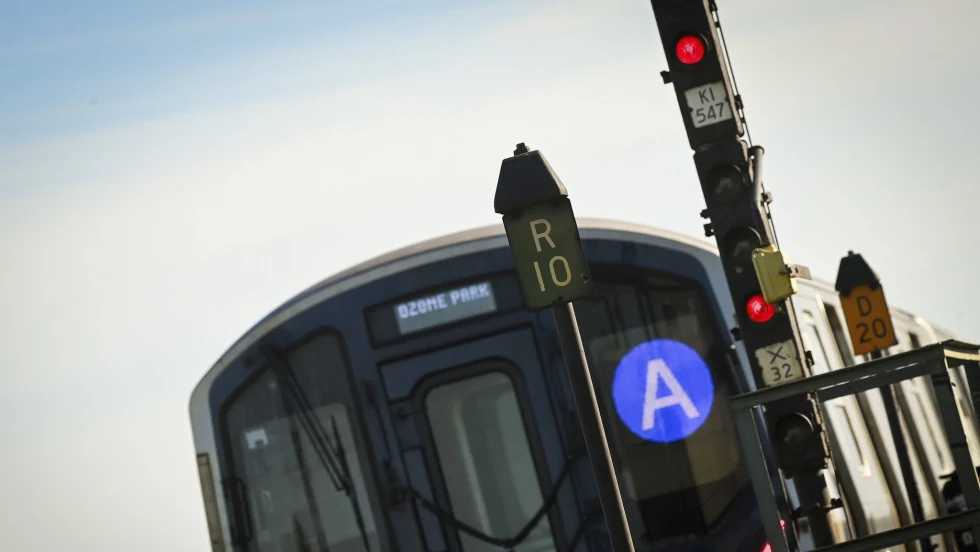
New York MTA Launches Historic $1.9B Signal, Track Modernization Project
Funded in part by congestion pricing revenue, the project will replace nearly century-old signals along the A and C lines in Brooklyn and Queens.
Read More →
Brian Dickson on Building Stronger, More Resilient Transportation Organizations
Bus Business Consultants Founder Brian Dickson discusses the leadership principles, operational discipline, and strategic planning that separate transportation companies positioned for long-term success from those stuck in survival mode.
Read More →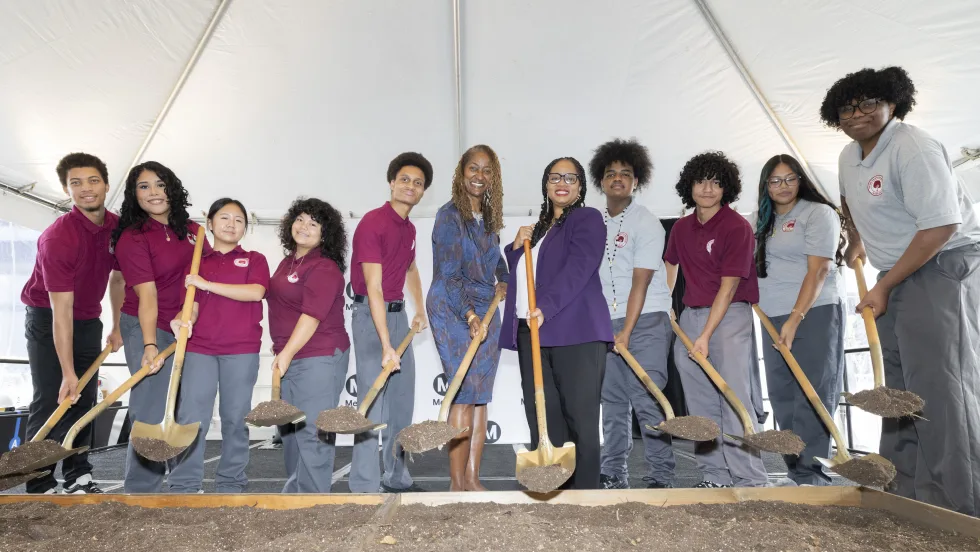
LA Metro Breaks Ground on Vermont BRT Project
The 12.4-mile corridor is projected to serve 66,200 daily riders, reduce travel times by up to 24%, and create the nation's busiest bus rapid transit corridor.
Read More →
Building Stronger Leaders, More Resilient Transit Teams
Dr. Carol Parker Walsh discusses leadership development, employee retention, workplace culture, and preparing transit’s workforce for AI and automation.
Read More →
Roman Cornell on ABC Companies’ Evolution and the Future of Passenger Transportation
The company’s CEO discusses carrying forward a third-generation family legacy, ABC’s continued evolution in passenger transportation, support for increasingly complex fleets, and how technology and continued investment could help operators improve uptime.
Read More →
CATS Launches West Charlotte Microtransit Zone, Expands Transit Services
The new microtransit zone connects residents to key destinations as Charlotte Area Transit System rolls out the first phase of its 2055 Transit System Plan.
Read More →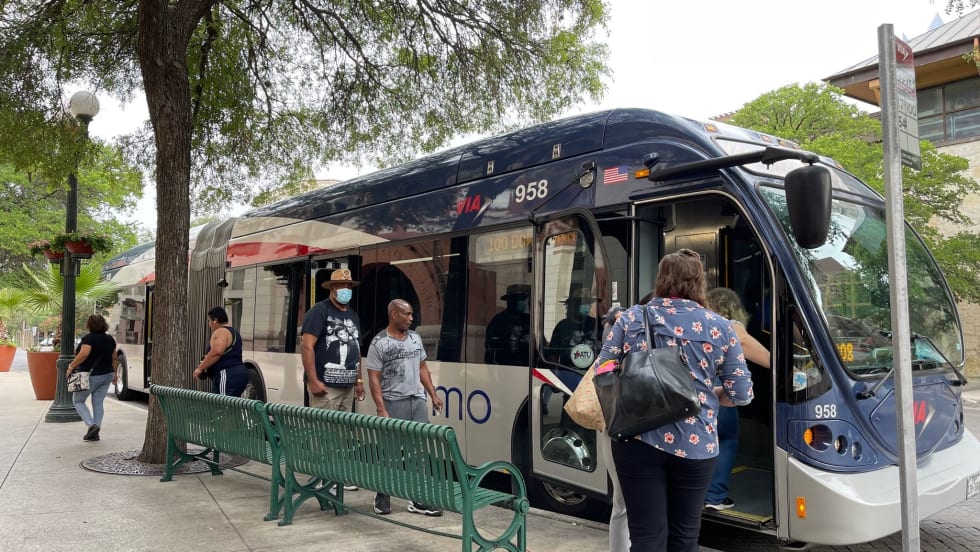
VIA Bus Ridership Grows 10.1% Through August 2026
San Antonio's VIA Metropolitan Transit reported the highest bus ridership growth among major Texas transit systems. Federal Transit Administration data ranked it second among the nation's 50 largest transit systems.
Read More →
CSA Group Releases Climate Resilience Standard for Transit, Passenger Rail
Developed with support from the Standards Council of Canada, CSA D700 guides assessing climate-related risks and planning adaptation measures for transit and passenger rail systems.
Read More →
ETA CEO John Maglio on Transit Technology, Innovation, and Building Agency Trust
ETA founder and CEO John Maglio explores the evolution of transit technology, the importance of reliable systems, and how stronger partnerships can help agencies improve operations and the passenger experience.
Read More →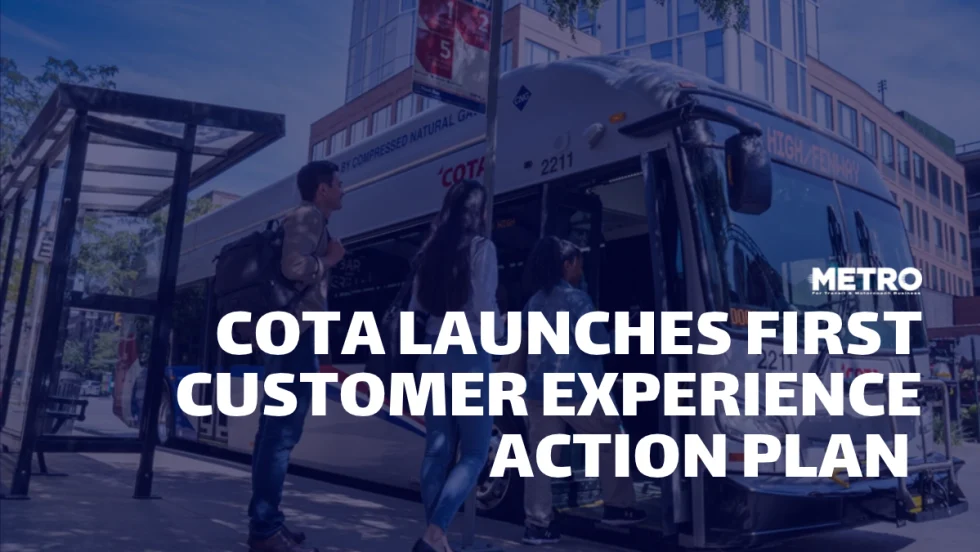
COTA Launches First Customer Experience Action Plan to Improve Transit Service
The new plan outlines improvements to service reliability, accessibility, communication, and the overall rider experience across Central Ohio's transit system.
Read More →