




Miss This? Chicago Transit Proposes 3 Operating Budgets for 2026
Midwest Transit Agencies Move From Crisis Response to Long-Term Stability Planning
Transit agencies in Chicago and Milwaukee stabilize budgets, avoid major cuts, and lay the groundwork for more reliable, rider-focused service.
December 19, 2025
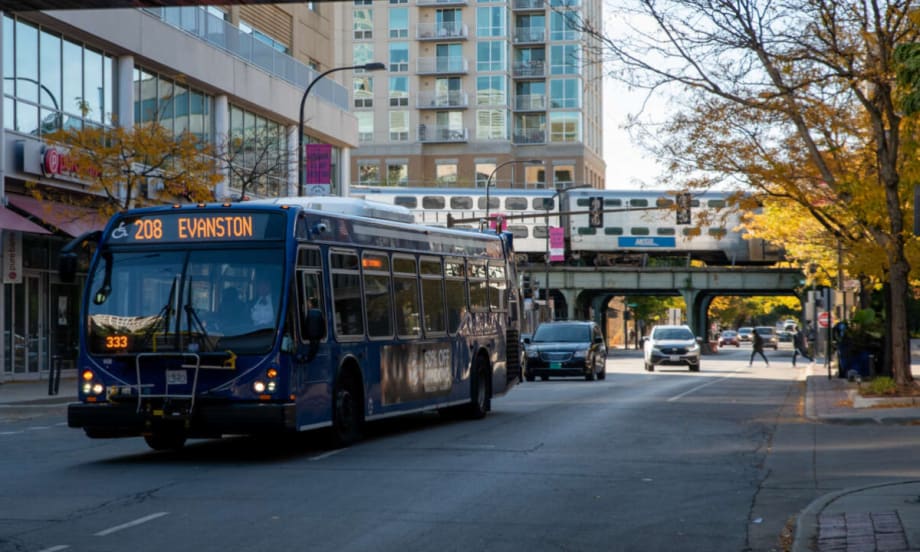
The Chicago Regional Transportation Authority and the Milwaukee County Transit System both advanced 2026 plans that avoid sweeping service cuts
Photo: Regional Transportation Authority
3 min to read
As transit systems across the country continue to navigate post-pandemic financial pressures, two major Midwestern agencies took significant steps this week to stabilize operations and protect essential services for riders.
The Chicago Regional Transportation Authority (RTA) and the Milwaukee County Transit System (MCTS) both advanced 2026 plans that avoid sweeping service cuts, leverage new funding solutions, and lay the groundwork for long-term structural reform.
RTA Advances 2026 Budget Following Passage of NITA Act
In Chicago, the RTA board adopted a 2026 regional operating budget and five-year capital program made possible by the newly signed Northern Illinois Transit Authority (NITA) Act.
The legislation averts the region’s anticipated fiscal cliff by providing an estimated $1.2 billion in new annual operating funding and establishing a new regional governance structure that will replace the RTA in June 2026.
“For the first time in years, the RTA is not preparing for a looming crisis, but instead optimistic for the opportunities ahead,” said RTA Executive Director Leanne Redden. “This is a historic investment that will protect the essential service of today and lay the foundation for the transit of tomorrow.”
The budget holds transit fares steady and avoids service cuts while supporting improvements across CTA, Metra, and Pace, including more frequent service, safety upgrades, accessibility investments, and cleaner facilities. With ridership steadily rebounding, leaders say the new funding and structural reforms position the region to rebuild a stronger, more coordinated system that reflects rider needs.
“The transit system arrives at this moment because riders, transit operators, advocates, local leaders, business and civic institutions, and elected officials insisted that transit is essential to the region’s future,” said RTA Board Chair Kirk Dillard.
MCTS Approves 2026 Service Plan to Preserve Core Transit Access
The Milwaukee County Board of Supervisors approved the 2026 MCTS Service Plan, enabling the transit system to maintain service in every neighborhood it currently serves while avoiding the elimination of six bus routes originally slated for cuts.
Backed by support from County Executive David Crowley, the plan uses targeted off-peak frequency reductions and remaining federal relief dollars to close a $14 million budget gap and sustain both transit and paratransit services through 2026.
“Thanks to our collaborative efforts, workers and families who rely on our bus system will still have access to this essential service,” Crowley said in a release.
County leaders emphasized that the plan protects access to jobs, education, health care, and opportunity for the thousands of riders who rely on the system every day.
MCTS President and CEO Steve Fuentes said the decision gives the agency critical time to engage community and business stakeholders ahead of the larger funding challenges projected for 2027, noting that MCTS remains one of the few major U.S. transit agencies without dedicated revenue.
The service changes outlined in the 2026 Service Plan will roll out in two phases: the Winter Service Plan and the Spring Service Plan, with fixed-route base fares increasing in the new year.
More Management

METRO Opens Submissions for 2026 Motorcoach Awards
Nominations are now being accepted for METRO Magazine’s Operator of the Year and Innovative Operator of the Year awards.
Read More →
New York MTA Advances Final Contract for Second Avenue Subway Expansion
Contract Four is the largest in the Second Avenue Subway Phase 2 project and includes construction of station infrastructure, tracks, and signals for the subway expansion, MTA officials said. Work on Contract Four will begin in 2027.
Read More →
Transit Agencies Highlight Safety Gains at National Summit
Leaders from 15 major transit systems shared crime-reduction results and safety initiatives while discussing the role of continued federal support.
Read More →

NITA Names New Leadership, Expands Reduced-Fare Program at First Board Meeting
The new regional transit authority appointed its first board chair and interim executive director while extending reduced fares across CTA, Metra, and Pace for eligible riders.
Read More →
Beyond the Checklist: A Structured Approach to Transit Maintenance
Reliability-Centered Maintenance helps transit agencies move beyond routine checklists to focus limited resources on the assets and failures that have the greatest impact on safety, reliability, and service.
Read More →
APTA 2026 Nominating Committee Selects Leadership Slate, Names Chair and Vice Chair Nominees
Leadership changes will help shape the association’s priorities and its representation of the transportation industry during the 2026–2027 term.
Read More →
DART Launches Major Security, Fare Enforcement Initiative
The 90-day demonstration will deploy coordinated security teams at five light rail stations while testing controlled access and gathering data to guide future investments.
Read More →
Sponsored•September 9, 2026
Advancing Fare Collection Through Technology and Innovation
Learn about delivering 1300 gates at 91 stations while managing fare evasion. Explore the large scale deployment, solution customization and real-world results that affect the region. Prepare for deployment in your region now.
Read More →
Game Day in Motion: Moving Millions During the 2026 World Cup
Between packed transit stations and team motorcoaches, see how agencies and operators across North America tackled the transportation demands of the 2026 FIFA World Cup.
Read More →
Surface Transportation Extension Averts Shutdown, Leaves Transit Funding Gap
The stopgap keeps federal transportation programs moving, but missing advance funding could complicate the transit and rail projects agencies are planning next.
Read More →