



Attacks on European public transport escalate
In the span of three days in February, a bus attack killed eight in Israel, a bus bombing killed 10 in Yugoslavia and explosions near the track shut down a main railway line in Ireland.

In the span of three days in February, a bus attack killed eight in Israel, a bus bombing killed 10 in Yugoslavia and explosions near the track shut down a main railway line in Ireland. Those were just a few of the increasing attacks on public transport recently experienced by overseas countries. While most of the attacks were a product of ethnic extremists, others targeted tourists. In the attack in Azur, Israel, a Palestinian driver allegedly upset about weeks of Mideast violence rammed his bus into a packed bus stop. The attack killed seven Israeli soldiers and a civilian in what is regarded the deadliest Palestinian attack in four years. Violence in the country has risen since Ariel Sharon was elected prime minister in February. The driver, Abu Olbeh, was said to have no ties to any Palestinian faction but was upset with the high number of Palestenian casualties in clashes with Israel. Olbeh had been driving Palestinian workers from Gaza to jobs in Israel for five years as an employee of Israeli bus company Egged. The bomb attack in Belgrade, Yugoslavia, that killed 10 and injured more than 40 is believed by the Yugoslavian government to be part of an organized terror campaign. The bus exploded after the remote-controlled bomb detonated under it. A cause for the bombing in Ireland is unknown, though Catholic paramilitary groups dissatisfied with Northern Ireland’s peace process have targeted the line in the past. The main railway between Belfast and Dublin was closed for the day. Also this year: In Pakistan, eight people were wounded after a passenger bus was attacked and in India, four were killed and 35 were wounded when a passenger bus ran over a land mine. An ambush on a bus in Nairobi, Kenya, killed 11 passengers and in Ankara, Turkey, gunmen wounded two people in an attack on a tourist bus. While it is often difficult to determine who is responsible for such acts of violence, those caught are punished accordingly. In January, China executed a man who set off three explosions on railway lines in the hope of stealing passengers’ money. He was convicted of detonating devices, two in November 1999 and one last January, on the Beijing-Guangzhou line. His actions caused two passenger trains to derail and halted services three times, causing a total economic loss of more than $300,000. A report by a local newspaper said the man was hoping to collect money left behind by distraught or injured passengers following the derailments.
More Management

Bus Tech Talk: Keeping Transit Technicians Ahead of the Technology Curve
In this episode of Bus Tech Talk, Complete Coach Works’ Business Development Manager Mark Hollenbeck and METRO’s Executive Editor Alex Roman sit down with Obed Mejia, Senior Technical Trainer for Bus Maintenance, at LA Metro to discuss how rapidly evolving bus technology is changing the maintenance shop — and the skills technicians need to keep pace.
Read More →
Michael Schneider Joins Paslay Group to Expand Transportation Practice
The longtime transportation executive will help Paslay Group grow its advisory and program management work across transit, highway, and other infrastructure sectors.
Read More →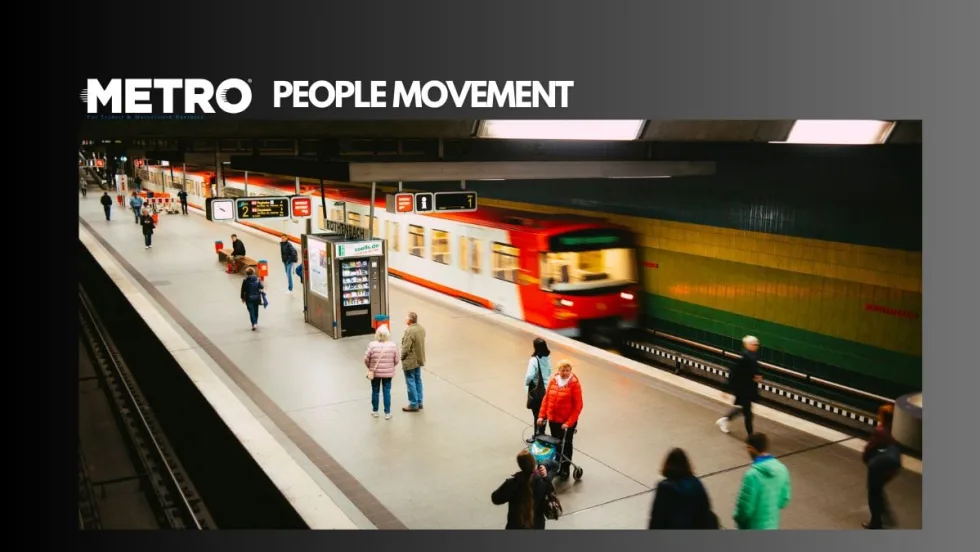
People Movement: Connectpoint Expands Leadership Team, Stadler Names New Group CEO, and More
In this edition, we also spotlight recent personnel moves at Burns, UZURV, and more, highlighting the people taking on new roles across the transportation industry.
Read More →
More Than a Summer Job: Building the Next Generation of Transit Talent
The Delaware River Port Authority and PATCO have transformed their internship program into a hands-on professional development experience that introduces students to the breadth of transportation careers — and creates a pipeline for future employees.
Read More →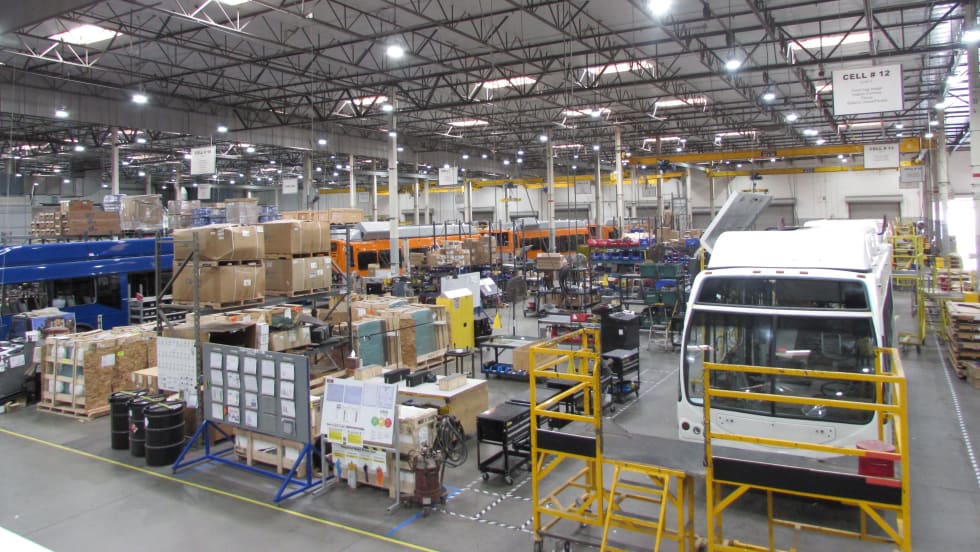
LA Metro Board Awards 220 Battery-Electric Bus Contract to ENC
The contract, which is the largest base award of battery-electric buses by a U.S. transit agency, will be built in Southern California, sustaining good jobs as LA prepares to welcome the world in 2028
Read More →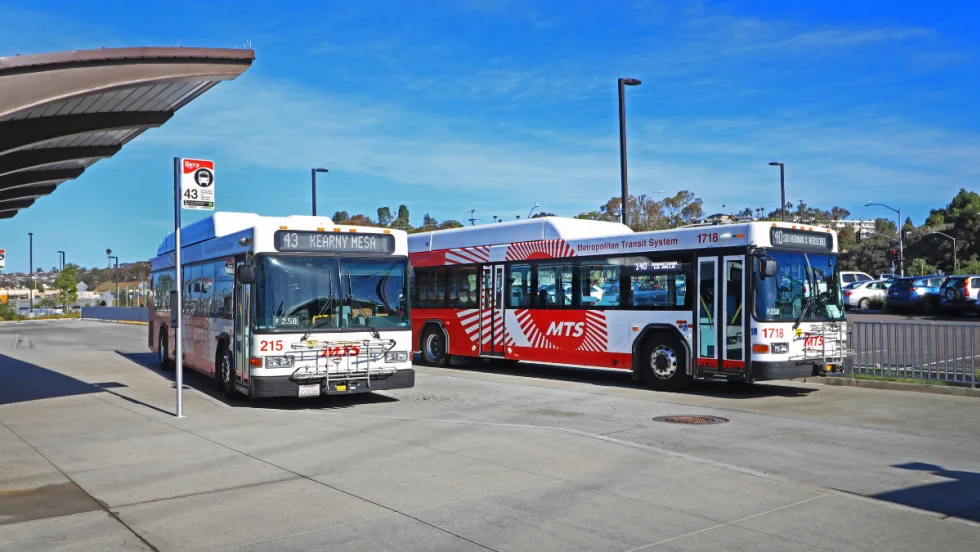
What’s Behind San Diego MTS’s Award-Winning Transit Strategy
Named one of APTA’s 2026 Outstanding Public Transportation Systems with 50 million or more annual passenger trips, California’s San Diego Metropolitan Transit System points to gains in ridership, safety, technology, and reliability as foundations of its success.
Read More →
Public Transit Conference Returning to GFX in 2027, Call for Papers Now Open
The Call for Papers is now open, allowing transit agency professionals and industry experts to help shape the PTC educational program by submitting session ideas for consideration.
Read More →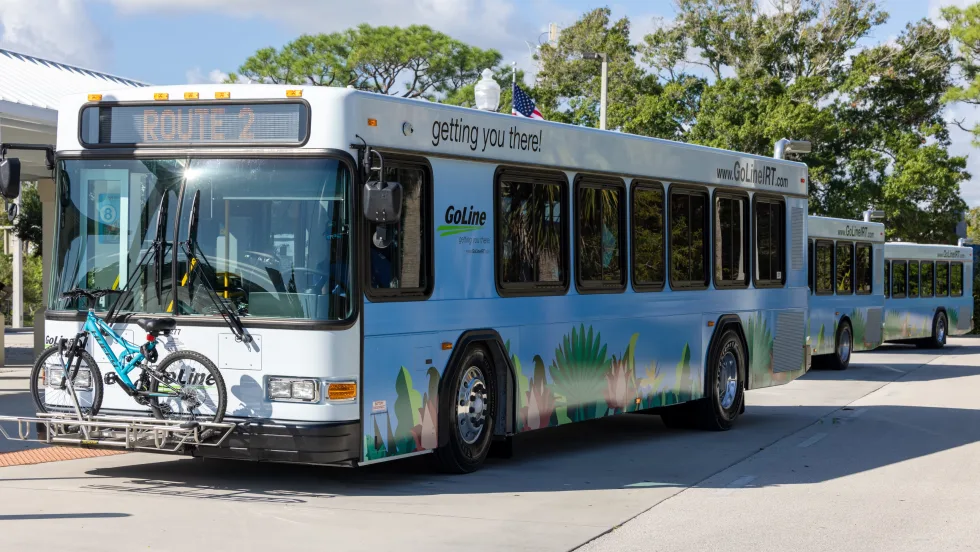
Indian River Transit’s Community-Focused Approach Earns National Recognition
Named APTA’s 2026 Outstanding Public Transportation System in its size category, Florida’s Indian River County transit system continues to grow ridership through fare-free service and a focus on evolving community needs.
Read More →
ENC Lands MATA Contract and More in Biz Briefs
In this edition of Biz Briefs, we spotlight the latest developments shaping the future of mobility.
Read More →From Surviving to Thriving: Building Stronger Transportation Organizations
Bus Business Consultants founder Brian Dickson shares lessons on leadership, organizational health, and creating options for long-term success in a changing transportation industry.
Read More →