



Consolidation Continues in Top 50
Consolidation in the private bus industry brought new entries into our Top 50, and lowered the average fleet size by 23 buses.
Despite the troubles that Laidlaw Transit Services encountered since merging with Greyhound Lines Inc. last year, the company continues to dominate the Top 50. Consolidations, including the vigorous acquisition strategy pursued by Coach USA, are reshaping the private bus industry and increasing the gap between the largest providers and those just a few notches below them on our list. Together, Laidlaw/Greyhound and Coach USA comprise 58% of the 19,047 buses tallied in our survey, a slight drop from last year, but still significant. Though the top five operators represent nearly 70% of the total, a gap of 3,934 buses exists between Coach USA and its runner-up, VecTour Inc. (formerly Travelways Inc.). Just as the top of our list pulled away from the rest of the industry, those lower in the rankings are operating fewer buses than before. This year the smallest of our Top 50 fleets, Transtario of Bradford, Ont., came in at 39 buses, eight less than last year’s smallest operator. Those figures skew attempts at defining the average motorcoach fleet. According to our survey, an operator of average size would be ranked between seventh and eighth in the Top 50. In other trends, operators are investing in doubledecker buses. There are 40% more doubledeckers in 2001’s ranks, but they still only account for an average of one vehicle per operator. The number of 40-foot buses suffered a notable drop, going down by 747 overall, and by an average of 23. The loss was somewhat made up for by the gains in buses shorter than 40 feet, but not enough to negate its impact on the total. The Top 50 was smaller by nearly 400 buses this year, even as it grew in number of operators. Because of ties in fleet size, the Top 50 actually represents the Top 52. Whether or not the bar will reposition itself dramatically next year is still an open question. According to survey data, very few of the Top 50 intend on making significant bus purchases in 2001. However, long term trends are visible. This year, we compared the fleet mix to where it stood five years ago, in 1996. That year was the first time METRO measured doubledecker buses, counting 74. This year, the number is only nine more, at 83. While doubledeckers aren’t taking over the motorcoach market, other changes are more obvious. Five years ago, 40-foot buses made up 80% of the total fleet size. This year, they represent only 58%. Buses longer than 40 feet have grown from a 3% to a 14% share, and buses shorter than 40 feet jumped from 13% to 28%. The Americans with Disabilities Act (ADA) altered the industry as well, but not nearly as profoundly as you might expect. Since 1996, the Top 50 gained 1,704 ADA-compliant buses. In 2001, 27% of the buses included in our survey meet ADA accessibility requirements, and the number rises to just more than 30% for the top five operators. As a proportion of the private bus industry, that only represents a gain of 1%. Innovation abounds Private bus companies are experimenting with new ways to better compete in the industry. In response to our question about innovative projects, operators provided examples of creative practices and an expanded range of services used to develop new business opportunities. The SFO Airporter in San Francisco and Frontier Tours in Carson City, Nev., are both undertaking public transportation duties outside their motorcoach business. SFO Airporter provides privately funded public transit in Emeryville, Calif. and Frontier runs rural transportation in northern Nevada. Private partnerships are also making headway. Evergreen Trailways/Gray Line of Portland (Ore.) provides airport transfers, meet and greet service and excursions for the Delta Queen Steamboat Co. Taking a cue from the transit bus industry, Eyre Bus Inc. of Glenelg, Md., wraps its buses for advertising revenue to offset high diesel prices. Also in keeping with transit trends, Paul Revere Transportation of Boston operates alternative fuel buses, including compressed natural gas, electric and bio-diesel. Technology is making its way into the private bus arena in the form of advanced onboard electronics as well. Abbott Trailways of Roanoke, Va., invested in a team sleeper equipped with satellite television. Across the country in Honolulu, Roberts Hawaii attended to the safety and convenience of its passengers by installing GPS systems on its vehicles. Technology is something Roberto Cordaro, CEO of Motor Coach Industries, says will help shape the future of the industry. “Tour, charter and linehaul services are beginning to show stronger customer demand, and operators will need to renew their fleets with new technology to keep operating costs down and stay competitive,” he says. With such additions to motorcoach fleets, Cordaro predicts a profitable marketplace. “An improvement in market conditions appears to be on the horizon,” he says. “I anticipate the demand to remain soft for most of 2001, with a gradual recovery to follow.” As always, the Top 50 provides a snapshot of what the private bus industry is up to, and where it stands. The data is compiled from the submissions of the operators surveyed and from external research done by METRO. If you feel you belong in the 2002 edition of the Top 50 Private Bus Fleets, please let us know. The Top 50 chart is available in Metro Research.
More Management
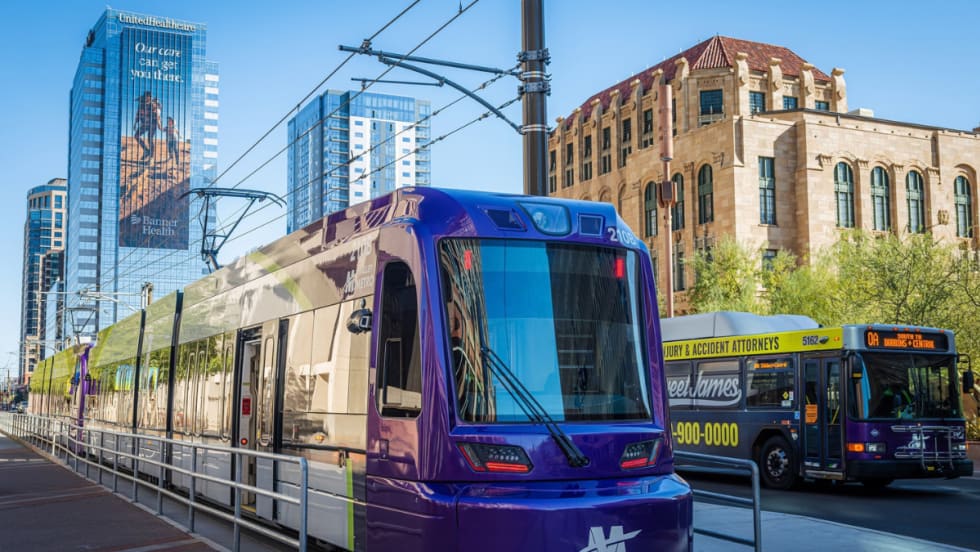
How Valley Metro Is Balancing Transit Growth With the Rider Experience
The APTA award-winning agency is pairing rapid system expansion with investments in workforce, safety, technology, and the fundamentals of transit service.
Read More →
Bus Tech Talk: Keeping Transit Technicians Ahead of the Technology Curve
In this episode of Bus Tech Talk, Complete Coach Works’ Business Development Manager Mark Hollenbeck and METRO’s Executive Editor Alex Roman sit down with Obed Mejia, Senior Technical Trainer for Bus Maintenance, at LA Metro to discuss how rapidly evolving bus technology is changing the maintenance shop — and the skills technicians need to keep pace.
Read More →
Michael Schneider Joins Paslay Group to Expand Transportation Practice
The longtime transportation executive will help Paslay Group grow its advisory and program management work across transit, highway, and other infrastructure sectors.
Read More →
People Movement: Connectpoint Expands Leadership Team, Stadler Names New Group CEO, and More
In this edition, we also spotlight recent personnel moves at Burns, UZURV, and more, highlighting the people taking on new roles across the transportation industry.
Read More →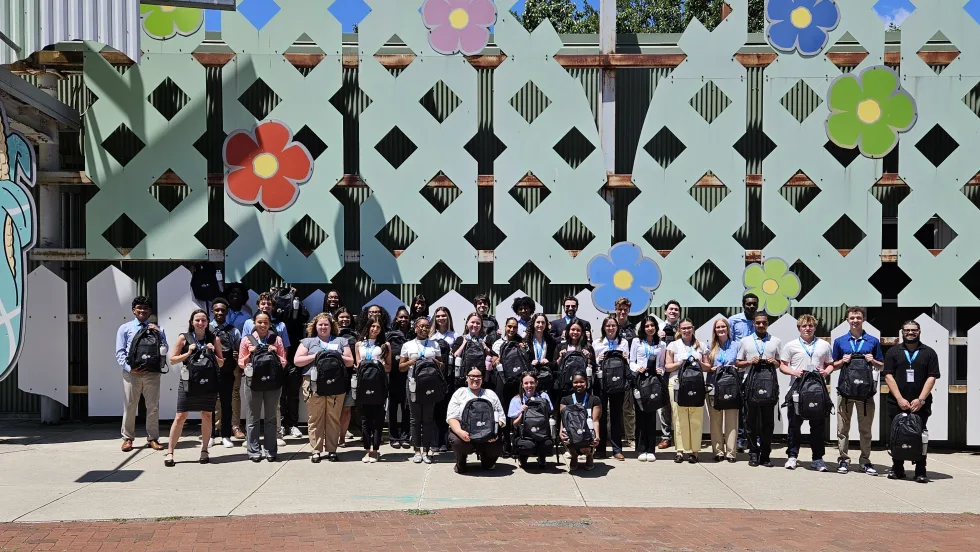
More Than a Summer Job: Building the Next Generation of Transit Talent
The Delaware River Port Authority and PATCO have transformed their internship program into a hands-on professional development experience that introduces students to the breadth of transportation careers — and creates a pipeline for future employees.
Read More →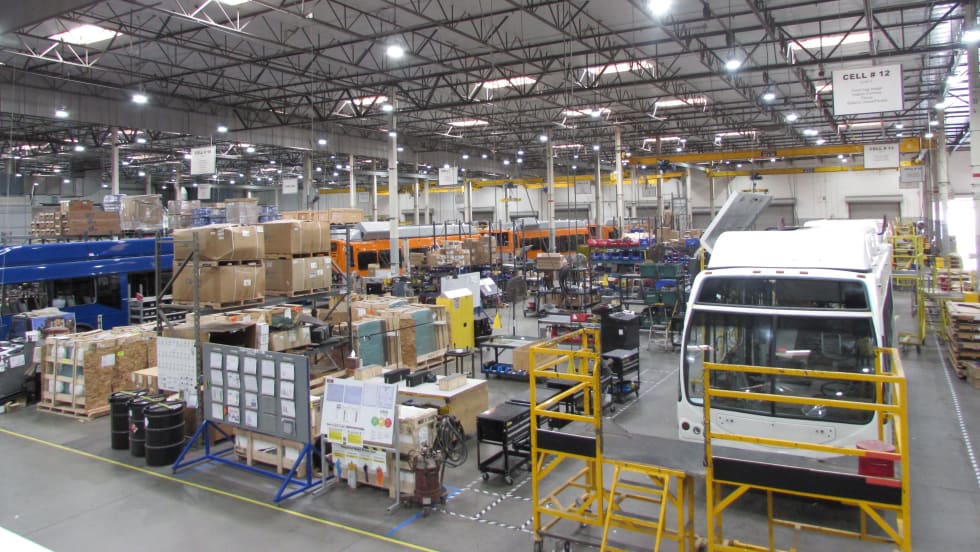
LA Metro Board Awards 220 Battery-Electric Bus Contract to ENC
The contract, which is the largest base award of battery-electric buses by a U.S. transit agency, will be built in Southern California, sustaining good jobs as LA prepares to welcome the world in 2028
Read More →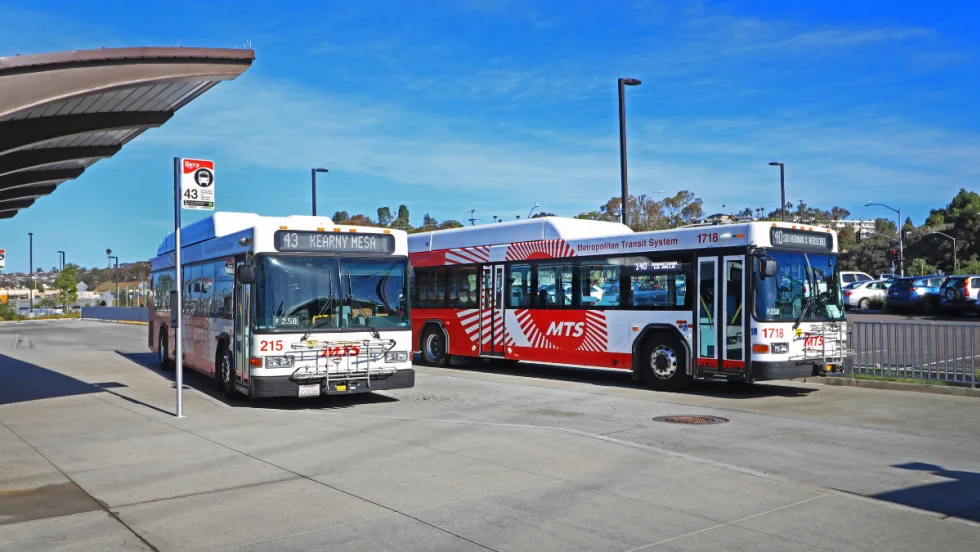
What’s Behind San Diego MTS’s Award-Winning Transit Strategy
Named one of APTA’s 2026 Outstanding Public Transportation Systems with 50 million or more annual passenger trips, California’s San Diego Metropolitan Transit System points to gains in ridership, safety, technology, and reliability as foundations of its success.
Read More →
Public Transit Conference Returning to GFX in 2027, Call for Papers Now Open
The Call for Papers is now open, allowing transit agency professionals and industry experts to help shape the PTC educational program by submitting session ideas for consideration.
Read More →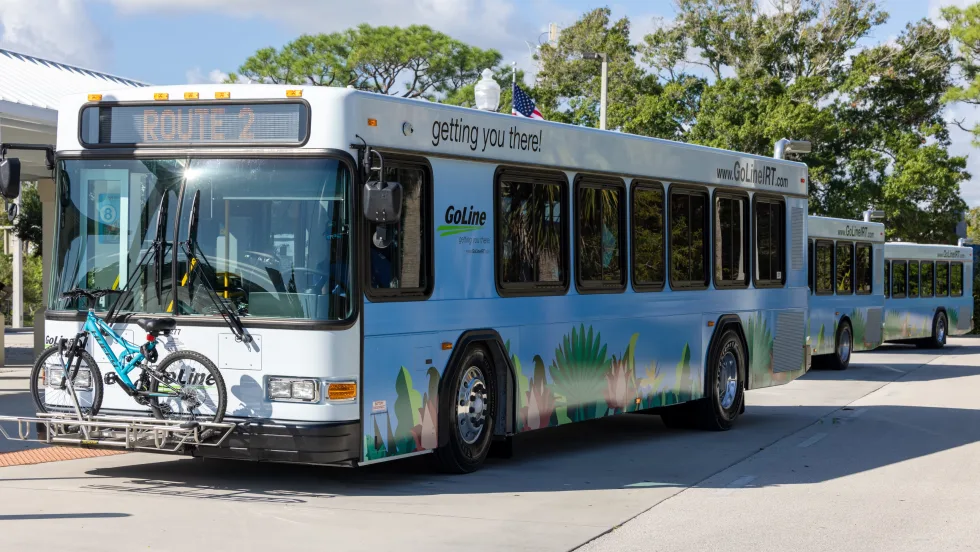
Indian River Transit’s Community-Focused Approach Earns National Recognition
Named APTA’s 2026 Outstanding Public Transportation System in its size category, Florida’s Indian River County transit system continues to grow ridership through fare-free service and a focus on evolving community needs.
Read More →
ENC Lands MATA Contract and More in Biz Briefs
In this edition of Biz Briefs, we spotlight the latest developments shaping the future of mobility.
Read More →