



Credit crisis impacting transit
If fear overtakes that trust, and we fail to deliver, then the wrath we will face will make the current crisis seem mild.
Although most transit agencies are feeling the impact of the collapse in credit markets that began last fall, the supply side is also reeling from the impact, so much so that it could affect the industry's ability to spend the federal stimulus money. Both sides of the
industry, suppliers and operators alike, need to be mindful of this situation, reach out to one another and strengthen this partnership more than ever before.
A new report commissioned and funded by APTA's Business Members shows just how far-reaching the effects of the credit crisis have been. The report found that the credit and bond markets are still locked up, which is also affecting procurement activity.
The new report also examined other effects on suppliers, which include constrained bank lending that has limited access for some suppliers to get the working capital essential to ordering materials, components and subsystems to deliver equipment to their transit clients. This even affects consultants because some of them are having difficulty finding working capital to maintain ongoing operations. In other cases, the downturn and the credit crisis are severely affecting the surety bond markets, which in too many cases is making bonding more costly, if not impossible, the report documents.
As FDR said, the fear of "fear itself" has created an extremely conservative business climate - a fear of the other guy on the other end of any transaction. This near-paranoia in the face of huge budget problems at agencies nationwide has also affected the transit industry at a time that many, including the Obama administration and the majority in Congress, are looking to us as a solution to turning back the fear of a further economic slide. That's what the stimulus bill was about: they trusted us to help get the economy moving again.
Now is the time to trust
Because they trusted us, we need to trust each other. Now more than ever, it is time to be flexible in bonding policies, in granting progress payments and making sure that invoices are paid on time. Suppliers must deliver. And when there is a sign of trouble in meeting terms, there must be an honest dialogue and quick decisions to resolve issues.
Suppliers and transit agencies now more than ever must see each other as true partners in making sure that we live up to the confidence our nation's elected leaders have shown in us. If we show that these projects were in fact "ready to go" and goods and services are proceeding on time and on budget, generating the economic activity we said we could make happen, then we will be rewarded even more when the new federal transportation policy comes up later this year and future budgets are passed.
If fear overtakes that trust, and we fail to deliver, then the wrath we will face will make the current crisis seem mild.
More Bus

From Surviving to Thriving: Building Stronger Transportation Organizations
Bus Business Consultants founder Brian Dickson shares lessons on leadership, organizational health, and creating options for long-term success in a changing transportation industry.
Read More →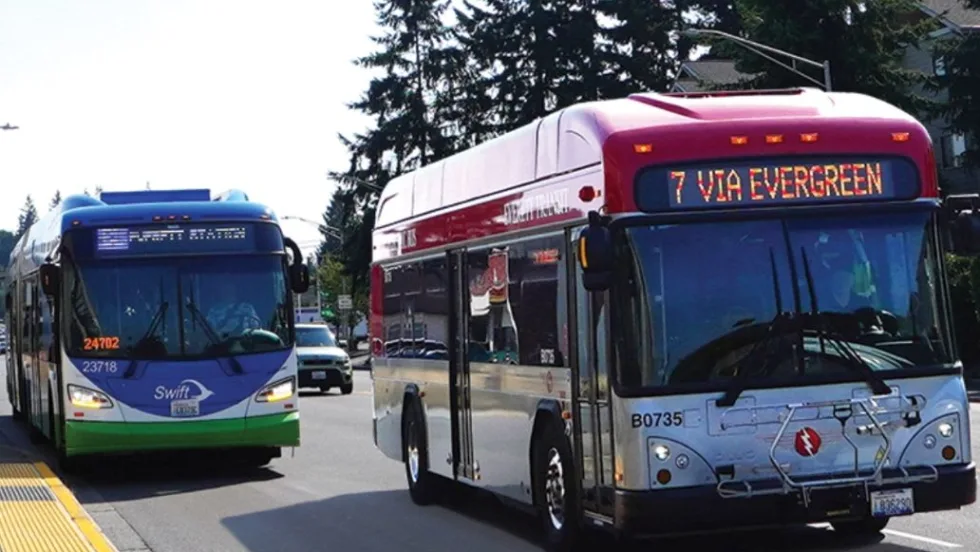
Everett Transit, Community Transit Outline Consolidation Agreement
The proposed agreement calls for a 50% increase in bus service in Everett, a new microtransit zone, continued paratransit service, and the transfer of Everett Transit operations to Community Transit.
Read More →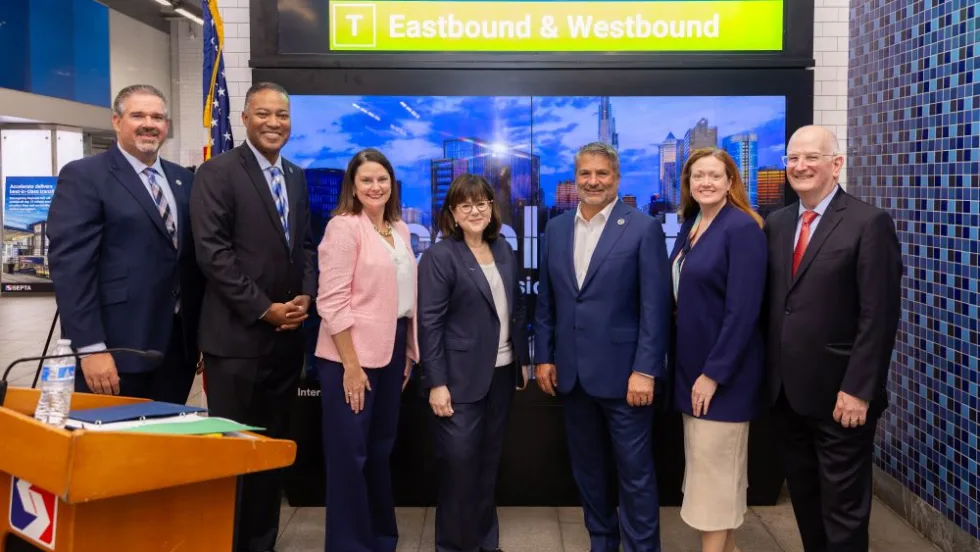
SEPTA Details Accelerate Vision for Transit System
The plan outlines investments in trolley modernization, new Metro and Regional Rail vehicles, accessible stations, and more frequent bus and rail service.
Read More →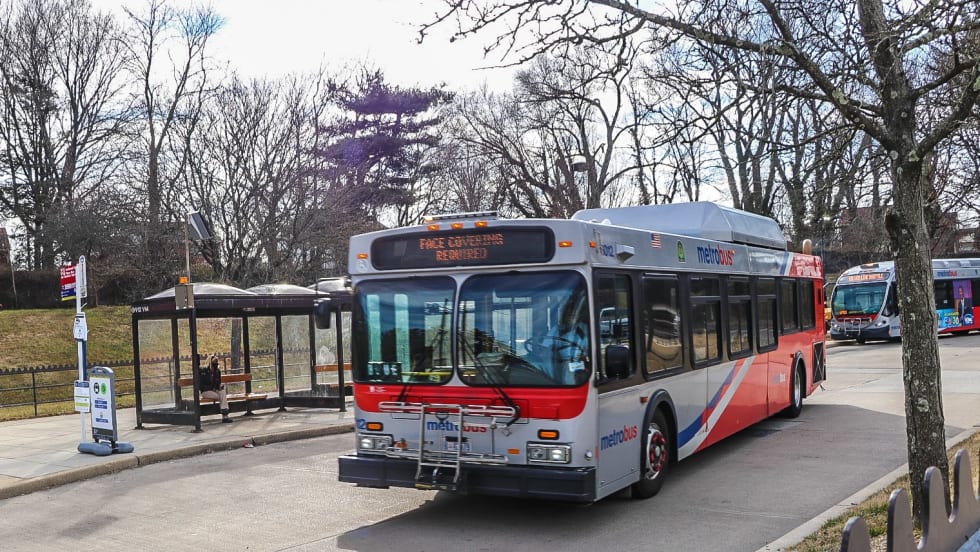
Report: Transit Bus Manufacturing Supports 34,100 Jobs, $5.1B in GDP
The “Buses Mean Business” report examines the transit bus manufacturing industry’s economic footprint, supply chain, and rising demand for vehicle replacements.
Read More →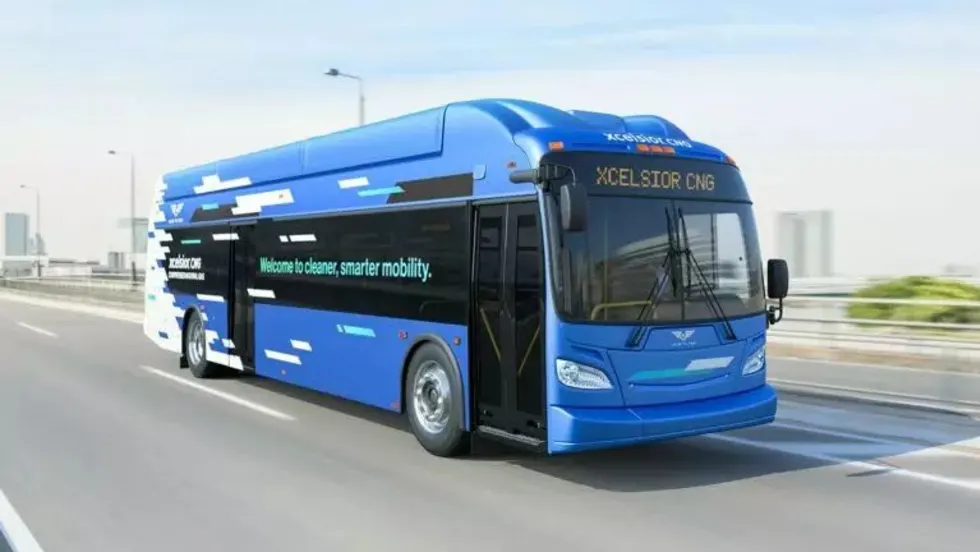
Biz Briefs: New Flyer Delivers in Columbus, Houston, Beep and Freebee Merge, and More
In this edition of Biz Briefs, we spotlight the latest developments shaping the future of mobility.
Read More →
People Movement: Dan Dipert Coaches Adds Third-Generation Leader, Keolis Names New Valley Metro VP/GM, and More
In this edition, we also cover recent appointments and announcements at the Wabtec, SilverRide, HNTB, and more, showcasing the individuals helping to shape the future of transportation.
Read More →
New York MTA Plans Largest Bus Fleet Upgrade in More Than a Decade
The agency is seeking manufacturers for 650 new CNG buses to replace aging vehicles, improve reliability, and advance its broader fleet modernization strategy.
Read More →
Building a Flexible Path to Transit Electrification
John Hroncich discusses BAE Systems’ modular and scalable approach, lessons learned from decades of real-world operations, and how agencies can identify electrification strategies that fit their fleets.
Read More →
Bus Tech Talk: Keeping Transit Technicians Ahead of the Technology Curve
LA Metro’s Obed Mejia discusses technician training, evolving maintenance technology, fleet replacement, and strategies for getting the most out of today’s transit fleets.
Read More →
Biz Briefs: RIPTA Unveils New Frontrunners, Clevland RTA Adds New Siemens, and More
In METRO's latest installment, we take a look at recent news from Siemens, Prevost, Dodge, and more partnerships making headlines across the transportation sector.
Read More →