



EPA reaches $1.4 million environmental settlement with MBTA
Settlement aims to bring cleaner air and water to the Boston region.

The U.S. Environmental Protection Agency (EPA), the U.S. Department of Justice and the Attorney’s Office reached a $1.4 million environmental settlement with the Massachusetts Bay Transportation Authority (MBTA) that will bring cleaner air and water to the Boston region. After years of numerous air and water violations, the settlement requires that the MBTA pay a fine of $328,247 and take on two environmental projects. “The cash component of the penalty is going to the U.S. Treasury,“ said Catherine Smith, EPA senior enforcement counsel. “This penalty would have been much, much higher if MBTA had not agreed to do some environmental projects.” One of the projects, valued at $1 million, will reduce pollution from commuter trains by using lower-polluting low-sulfur diesel fuel. According to MBTA spokesman Joe Pesaturo, the EPA recently announced that all locomotives in the country would have to use low-sulfur diesel by summer 2007. “Under the settlement, the locomotives in our fleet will all be using low-sulfur diesel three years before the deadline established by the EPA,” Pesaturo said. The other project involves donating an easement on a one-acre strip of land to extend a bike path along the Mystic River, providing a critical link in the Boston bike path network. “We own a lot of abandoned railroad rights-of-way,” Pesaturo added. “If we determine that it is no longer needed for transit purposes or future transit needs, then we are happy to transfer the property to communities that would like to use it for recreational purposes. It’s an excellent use of land.” The EPA also found at least 55 buses idling for more than five minutes during inspections in 2002, at which point the EPA issued to the MBTA a notice of violation for excessive bus idling. “We immediately notified all of the supervisors within our bus operations division that it was extremely important to monitor idling in the yards,” Pesaturo said. “Any violations by bus operators would have to be written up and operators would be facing disciplinary action for violating the rules.” The MBTA will now meet a five-minute idling limit for all buses, except on very cold days. According to the EPA, the MBTA has also been discharging wash water, cooling water and stormwater into the Mystic River for years, without the required permits or pollution prevention plans. “We found water violations before 2002,” Smith said. “We made sure that during the course of the negotiations on the resolution, MBTA got the appropriate permits and oil spill pollution and stormwater pollution prevention plans in place for each of the facilities, and they did that.” To prevent future environmental violations, the MBTA will immediately implement a regimented Environmental Management System for all of its operations. “[We] view this settlement as the formal end of an era in which bus operations were neglected here at the MBTA,” Pesaturo said. “And we are now in the midst of an extraordinary bus procurement in which we will replace two-thirds of our bus fleet with high-tech, low-emission buses.”
More Management
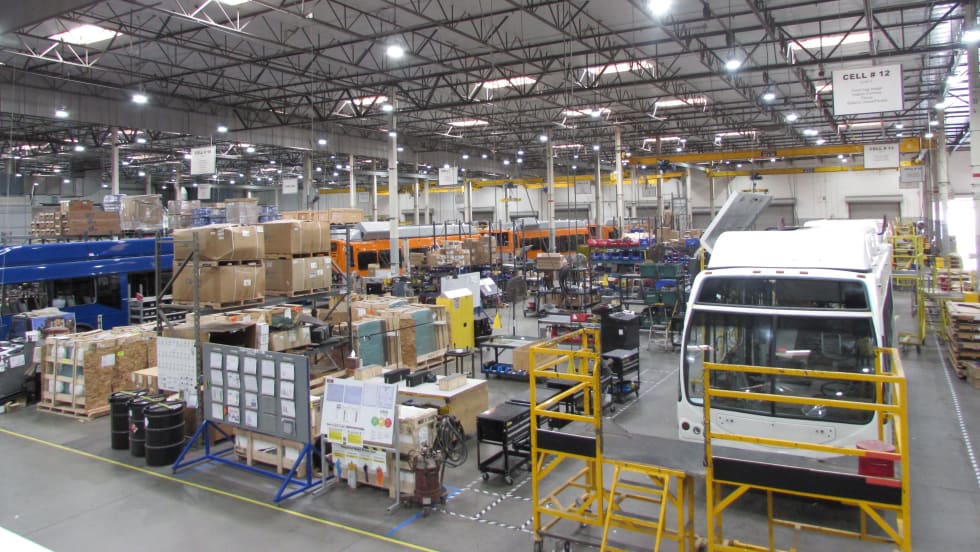
LA Metro Board Awards 220 Battery-Electric Bus Contract to ENC
The contract, which is the largest base award of battery-electric buses by a U.S. transit agency, will be built in Southern California, sustaining good jobs as LA prepares to welcome the world in 2028
Read More →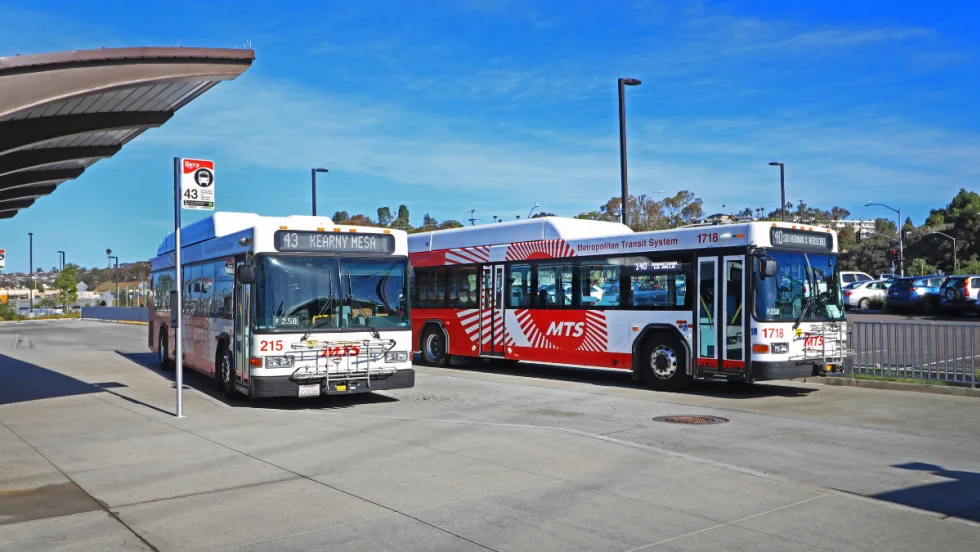
What’s Behind San Diego MTS’s Award-Winning Transit Strategy
Named one of APTA’s 2026 Outstanding Public Transportation Systems with 50 million or more annual passenger trips, California’s San Diego Metropolitan Transit System points to gains in ridership, safety, technology, and reliability as foundations of its success.
Read More →
Public Transit Conference Returning to GFX in 2027, Call for Papers Now Open
The Call for Papers is now open, allowing transit agency professionals and industry experts to help shape the PTC educational program by submitting session ideas for consideration.
Read More →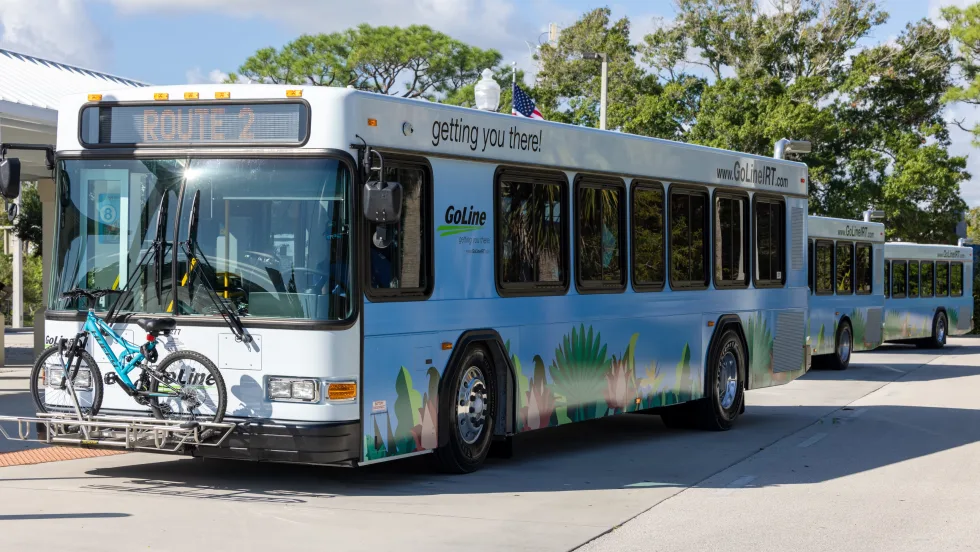
Indian River Transit’s Community-Focused Approach Earns National Recognition
Named APTA’s 2026 Outstanding Public Transportation System in its size category, Florida’s Indian River County transit system continues to grow ridership through fare-free service and a focus on evolving community needs.
Read More →
ENC Lands MATA Contract and More in Biz Briefs
In this edition of Biz Briefs, we spotlight the latest developments shaping the future of mobility.
Read More →
From Surviving to Thriving: Building Stronger Transportation Organizations
Bus Business Consultants founder Brian Dickson shares lessons on leadership, organizational health, and creating options for long-term success in a changing transportation industry.
Read More →
Everett Transit, Community Transit Outline Consolidation Agreement
The proposed agreement calls for a 50% increase in bus service in Everett, a new microtransit zone, continued paratransit service, and the transfer of Everett Transit operations to Community Transit.
Read More →
Strada360’s Steve Lassey on Turning Transit Data Into Better Decisions
From breaking down data silos to preparing for AI, Strada360 CEO Steve Lassey discusses how transit agencies can use technology to improve operations, customer information, and long-term decision-making.
Read More →
People Movement: Phil Washington Joins HNTB, Denver RTD Launches CEO Search, and More
In this edition, we also spotlight recent personnel moves at STV, the Eno Center for Transportation, and more, highlighting the people taking on new roles across the transportation industry.
Read More →
SEPTA Details Accelerate Vision for Transit System
The plan outlines investments in trolley modernization, new Metro and Regional Rail vehicles, accessible stations, and more frequent bus and rail service.
Read More →