



FMCSA 2010 Strategy aims to reduce commercial vehicle crashes by 50%
The Federal Motor Carrier Safety Administration (FMCSA) released a draft of its 2010 Strategy aimed at reducing fatal commercial vehicle crashes 50% by the year 2010.

The Federal Motor Carrier Safety Administration (FMCSA) released a draft of its 2010 Strategy aimed at reducing fatal commercial vehicle crashes 50% by the year 2010. With that goal, the FMCSA strives to save about 2,500 lives and prevent 6,500 injuries annually. According to the FMCSA, less than 1% of all traffic-related fatalities in 1999 involved commercial passenger vehicles. There were 312 fatal commercial passenger vehicle crashes that resulted in 372 fatalities. The continued commercial driver shortage, increase in international trade and the growth of e-commerce were cited as possible trends that would have a significant impact on bus and truck safety. Creation of the 2010 Strategy was a requirement of the Motor Carrier Safety Improvement Act of 1999 and is designed to improve commercial motor vehicle, operator and carrier safety. The strategy outlines key contributing factors to highway crashes, the biggest factor being the commercial and passenger vehicle driver. However, 65% of all passenger-vehicle and truck crashes from 1994 to 1998 were attributed to the passenger-vehicle driver. Initiatives to improve driver safety include acceleration of research, testing and deployment of crash avoidance systems, improved effectiveness of the Commercial Driver License program and its information system and increased commercial driver inspections. A total of 31 initiatives that center around enforcement, technology and outreach and education will be used to reduce the number of crashes and prevent injury and loss of life, said FMCSA spokesman David Longo. “We are at work to develop partnership arrangements with law enforcement agencies, state and local governments and other federal agencies in the industry,” said Longo. Stephen Sprague, COO of the United Motorcoach Association (UMA), commended the FMCSA for the development of the strategy, noting the concentration placed on the human element involved in commercial vehicle safety. “Ninety-five percent of the cases have to do with human error. It’s either the commercial driver or somebody else,” Sprague said. Sprague also cited issues important to the passenger-carrier industry that are lacking from the strategy, such as the implementation of a strong shipper and broker liability rule that will identify and punish violators of the Federal Motor Carrier Safety Regulations. It is also missing provisions for a comprehensive database of driver history and tighter controls on medical technicians who certify commercial drivers, he said. “What we are asking for from the FMCSA is the creation of a database which would contain virtually all of the black and white information that can be compiled on a driver,” Sprague said. “If we can do this for credit ratings, there ought to be a way we could do this for drivers.” Comments submitted by the UMA and others are “welcome and are taken very seriously,” Longo said. Implementation of the 2010 Strategy will take effect in 2002, although some initiatives will not be employed until 2004 when additional resources are authorized by legislation.
More Management

Bus Tech Talk: Keeping Transit Technicians Ahead of the Technology Curve
In this episode of Bus Tech Talk, Complete Coach Works’ Business Development Manager Mark Hollenbeck and METRO’s Executive Editor Alex Roman sit down with Obed Mejia, Senior Technical Trainer for Bus Maintenance, at LA Metro to discuss how rapidly evolving bus technology is changing the maintenance shop — and the skills technicians need to keep pace.
Read More →
Michael Schneider Joins Paslay Group to Expand Transportation Practice
The longtime transportation executive will help Paslay Group grow its advisory and program management work across transit, highway, and other infrastructure sectors.
Read More →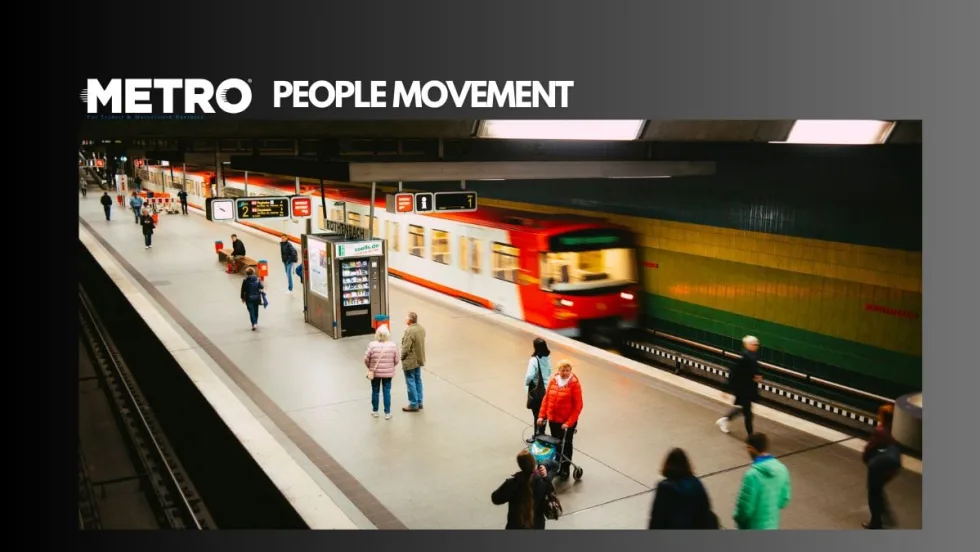
People Movement: Connectpoint Expands Leadership Team, Stadler Names New Group CEO, and More
In this edition, we also spotlight recent personnel moves at Burns, UZURV, and more, highlighting the people taking on new roles across the transportation industry.
Read More →
More Than a Summer Job: Building the Next Generation of Transit Talent
The Delaware River Port Authority and PATCO have transformed their internship program into a hands-on professional development experience that introduces students to the breadth of transportation careers — and creates a pipeline for future employees.
Read More →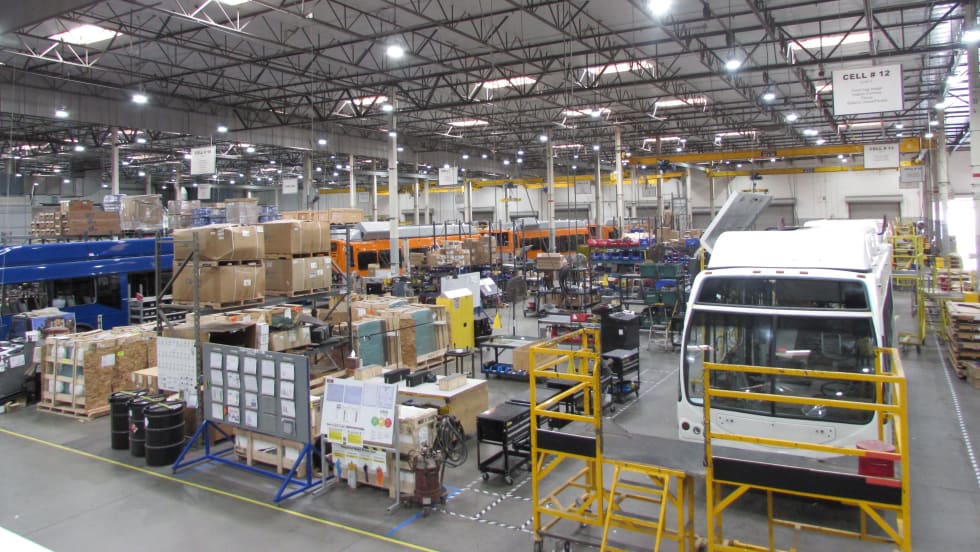
LA Metro Board Awards 220 Battery-Electric Bus Contract to ENC
The contract, which is the largest base award of battery-electric buses by a U.S. transit agency, will be built in Southern California, sustaining good jobs as LA prepares to welcome the world in 2028
Read More →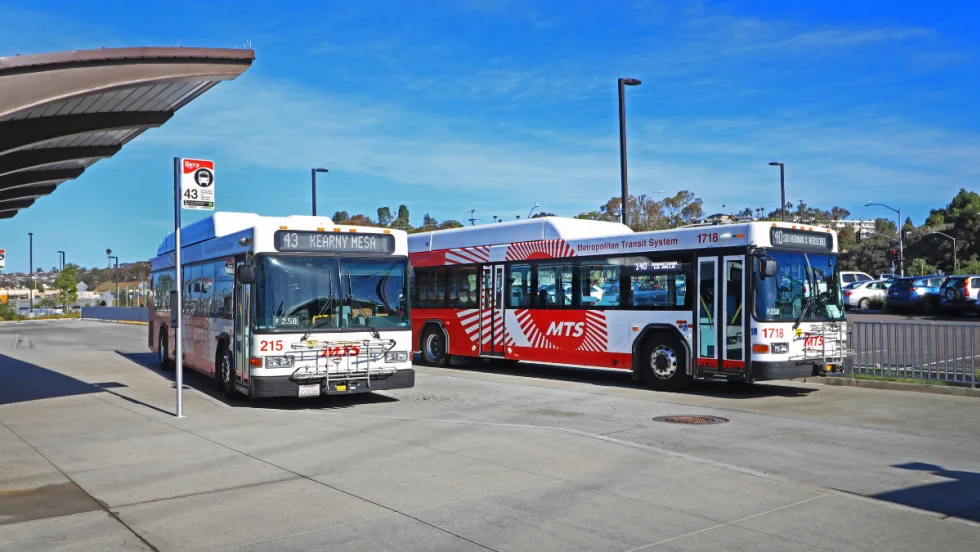
What’s Behind San Diego MTS’s Award-Winning Transit Strategy
Named one of APTA’s 2026 Outstanding Public Transportation Systems with 50 million or more annual passenger trips, California’s San Diego Metropolitan Transit System points to gains in ridership, safety, technology, and reliability as foundations of its success.
Read More →
Public Transit Conference Returning to GFX in 2027, Call for Papers Now Open
The Call for Papers is now open, allowing transit agency professionals and industry experts to help shape the PTC educational program by submitting session ideas for consideration.
Read More →
Indian River Transit’s Community-Focused Approach Earns National Recognition
Named APTA’s 2026 Outstanding Public Transportation System in its size category, Florida’s Indian River County transit system continues to grow ridership through fare-free service and a focus on evolving community needs.
Read More →
ENC Lands MATA Contract and More in Biz Briefs
In this edition of Biz Briefs, we spotlight the latest developments shaping the future of mobility.
Read More →From Surviving to Thriving: Building Stronger Transportation Organizations
Bus Business Consultants founder Brian Dickson shares lessons on leadership, organizational health, and creating options for long-term success in a changing transportation industry.
Read More →