How to Optimize Fuel Efficiency: The Impact of Curb Weight and Gross Weight on Fuel Consumption in Fleets
This article will explore the influence of curb and gross weight on fuel consumption in public transit fleets and provide strategies for optimizing fuel efficiency, such as weight distribution, fuel management systems, and route planning.
by Alexandra Kalasky, IntelliShift
February 2, 2024
The distinction between curb weight and gross weight is critical in the public transportation sector, as it significantly influences vehicle dynamics and fuel consumption.
Photo: METRO Magazine
5 min to read
Fuel efficiency is a critical concern in public transportation, impacting both the sustainability and economic viability of transit services. Rising fuel costs and environmental considerations are compelling the industry to find ways to optimize fuel consumption.
A significant aspect of this challenge is understanding the impact of vehicle weights, specifically curb weight and gross weight, on fuel efficiency.
Ad Loading...
This article will explore the influence of curb and gross weight on fuel consumption in public transit fleets and provide strategies for optimizing fuel efficiency, such as weight distribution, fuel management systems, and route planning.
Understanding Curb Weight and Gross Weight
The distinction between curb weight and gross weight is critical in the public transportation sector, as it significantly influences vehicle dynamics and fuel consumption. These terms, while related, are distinct in their meanings and implications.
Curb Weight: The Foundation of a Vehicle
Curb weight is the weight of a vehicle with all standard equipment and necessary operating consumables like motor oil, coolant, and a full tank of fuel, but without passengers or cargo.
The curb weight determines the basic energy requirement to move the vehicle. A heavier curb weight means the engine must work harder, consuming more fuel to achieve the same performance.
Gross Weight: Total Load Matters
Gross weight refers to the total weight of the vehicle, including the curb weight plus passengers, cargo, and any additional load it carries. It can vary greatly throughout a vehicle's operation, especially in public transport, where passenger numbers and cargo loads change frequently.
Ad Loading...
The higher the gross weight, the more energy is required to move the vehicle. This directly impacts fuel consumption, with heavier loads leading to increased fuel use.
The relationship between a vehicle's weight and its fuel consumption is a key factor in public transportation efficiency.
Photo: Metro Transit
The Impact of Weight on Fuel Consumption
The relationship between a vehicle's weight and its fuel consumption is a key factor in public transportation efficiency. Both curb weight and gross weight play significant roles in determining how much fuel a vehicle uses. Understanding this relationship is crucial for optimizing fuel efficiency.
The Basic Principle: The more a vehicle weighs, the more energy it requires to move. This results in increased fuel consumption as the engine works harder to provide the necessary power.
Pre-Production Factors: Since curb weight is a fixed aspect of the vehicle, the choice of materials and standard equipment sets the baseline for fuel efficiency. A heavier design inherently demands more fuel for operation.
Gross Weight Variability: Gross weight changes with the number and weight of passengers and cargo. During peak hours, a fully loaded vehicle will consume more fuel than when it's less occupied.
Ad Loading...
Weight Distribution: Uneven weight distribution can cause imbalances in the vehicle, leading to inefficient operation. This inefficiency often increases resistance and additional strain on the engine, leading to higher fuel usage.
Inclines: Driving uphill requires more power to maintain speed and overcome the incline, causing the engine to consume more fuel. The steeper the incline, the greater the gravitational force the vehicle must overcome.
Stop-and-Go Traffic: Stopping causes the vehicle to lose the kinetic energy that was propelling it forward. To move again, the engine must work to regain this lost energy. Repeatedly transitioning between low- and high-power states consumes more fuel in the process.
Congested Routes: In congested traffic, vehicles often travel at lower average speeds and spend more time idling. Operating in lower gears and extended idling can significantly contribute to increased fuel consumption.
By lowering the inherent weight of these vehicles, transit authorities can significantly decrease the baseline energy requirement for operation.
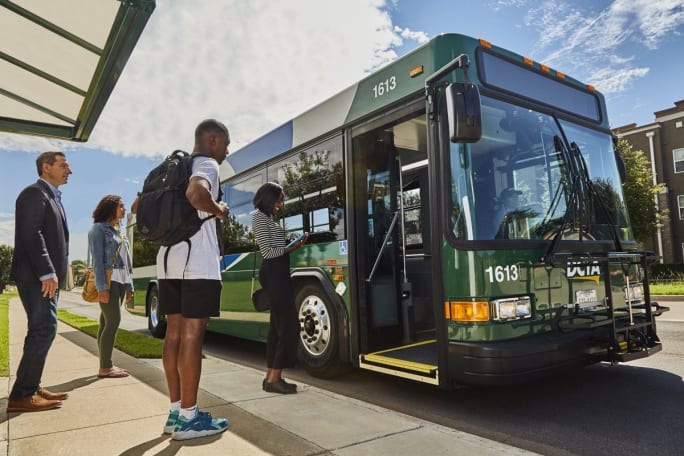
Photo: DCTA
Strategies for Reducing Curb Weight
Reducing the curb weight of public transit fleets is a key strategy for enhancing fuel efficiency. By lowering the inherent weight of these vehicles, transit authorities can significantly decrease the baseline energy requirement for operation. Here are some effective strategies to achieve this:
Ad Loading...
Material Innovations in Vehicle Design
Utilizing lighter materials such as aluminum, composites, or high-strength steel instead of traditional, heavier materials can reduce the vehicle's overall weight. Advances in design, including aerodynamic shapes and compact component layouts, can contribute to weight reduction without compromising safety or capacity.
Streamlining Features and Components
Removing or redesigning non-essential components can lead to significant weight savings. This includes reevaluating the necessity and design of interior features, seating, and onboard systems.
Incorporating modern, lighter technology for essential systems, such as electrical and climate control systems, can also reduce weight.
Regular Maintenance
Consistent and predictive maintenance ensures vehicles are not carrying excess weight due to worn-out parts, unnecessary additions, or accumulated debris. Periodically upgrading components to newer, lighter versions can help gradually reduce the curb weight over the vehicle's lifespan.
Managing Gross Weight Effectively
Gross weight, which includes passengers and cargo, is a dynamic factor in public transportation that significantly affects fuel consumption. Effectively managing this variable weight is crucial for enhancing fuel efficiency. Here are some strategies for achieving this:
Ad Loading...
Balancing Passenger and Cargo Loads
Establishing and adhering to load limits ensures that vehicles are not overburdened, which can lead to excessive fuel consumption. Another great solution is encouraging even distribution of passengers and cargo with efficient interior layouts and designs.
Scheduling and Route Optimization
Adjusting schedules to balance passenger loads between peak and off-peak hours can help manage gross weight more effectively. Designing routes to avoid congested areas or steep inclines can reduce the fuel consumption caused by heavy loads and challenging driving conditions.
Utilizing Technology
Implementing fleet management systems that monitor vehicle weight in real-time allows for adjustments in operations to manage fuel consumption. Advanced passenger counting systems can also help in understanding and predicting load patterns, aiding in efficient scheduling and route planning.
Encouraging Off-Peak Travel
Providing incentives for passengers to travel during off-peak hours can help spread the load, reducing the gross weight during peak times. Educating the public about the benefits of off-peak travel can lead to more balanced passenger loads throughout the day.
Achieving Fuel Efficiency in Public Transit Fleets
Curb and gross weight play pivotal roles in determining a vehicle's fuel efficiency. By understanding and managing these weights effectively, transit authorities can make substantial strides in reducing fuel consumption, operational costs, and environmental impacts.
Ad Loading...
The strategies discussed here are not just theoretical concepts but practical steps that can be implemented in public transit fleets worldwide. They represent a proactive approach to addressing fuel efficiency challenges in a sector crucial for sustainable urban development.
Alexandra Kalasky is a seasoned writer and editor at IntelliShift, specializing in automotive and environmental topics. This article was authored and edited according to METRO Magazine editorial standards and style. Opinions expressed may not reflect that of METRO Magazine.
The agency is seeking manufacturers for 650 new CNG buses to replace aging vehicles, improve reliability, and advance its broader fleet modernization strategy.
John Hroncich discusses BAE Systems’ modular and scalable approach, lessons learned from decades of real-world operations, and how agencies can identify electrification strategies that fit their fleets.
LA Metro’s Obed Mejia discusses technician training, evolving maintenance technology, fleet replacement, and strategies for getting the most out of today’s transit fleets.
In METRO's latest installment, we take a look at recent news from Siemens, Prevost, Dodge, and more partnerships making headlines across the transportation sector.
In this edition, we also cover recent appointments and announcements at Pace, CamTran, MCI, and more, showcasing the individuals helping to shape the future of transportation.
Transit leaders and policymakers examine how standardized bus designs, streamlined procurement, and predictable funding could help agencies stretch budgets and deliver better service.
As chair of APTA’s Business Members Board of Governors, Ray Melleady explains how more than 850 business members are partnering with transit agencies to advance funding, innovation, and industry-wide collaboration.
Bus Business Consultants founder Brian Dickson shares lessons on leadership, organizational health, and creating options for long-term success in a changing transportation industry.
The award-winning partnership combines AI-powered detection with human oversight to improve bus reliability, accessibility, and enforcement efficiency.