



Lynx installs TV monitors
Television monitors showing news, route information and advertisements may soon become a familiar sight on transit buses around major U.S. cities.

Television monitors showing news, route information and advertisements may soon become a familiar sight on transit buses around major U.S. cities. Itec Entertainment Corp., an entertainment and technology design company, and Orbital Sciences Corp., a mass transit tracking system supplier, joined to provide bus riders on Lynx in Orlando, Fla., an entertaining and informative alternative to staring out the window. The primary function of the monitors is to make stop announcements and track bus routes between stops. They also offer content such as news, weather, entertainment and games. The project also provides an opportunity to present an array of ads. “We bring to the table a whole new level of ad revenue for the transit authorities,” said Daniel West, vice president of business development for Itec. “Our customers include Atlantic Records, the Marines and other major players that would typically not think of buying advertising from a transit company.” The venture started when Itec and Orbital signed a 10-year contract with Lynx and began a pilot program in March 2000. Lynx currently has the monitors installed on 10 buses and is in negotiation to install the screens on all 230 buses. “It’s catching on real fast, and we expect it to expand in the near future,” said Sheldon Watson, spokesman for Lynx. “We get favorable comments from all parties involved.” As a pilot program, Lynx is not incurring any costs. Itec receives all of the advertising revenue and, until they reach the point where they profit on their capital expenses, they will continue to get all of the advertising dollars, Watson said. After that point, Lynx will split revenue with Itec. Each 40-foot bus is equipped with three television monitors. To install the technology, it costs about $11,000 per bus. An entire system consists of an automated wireless tracking device, flat-screen TV monitors and a network of speakers. The TV content is primarily created on a daily basis in Itec’s Orlando studios. Some of it is also drawn from various wire sources around the nation. Among the programs shown are local and international news reports, trivia questions and nature documentaries. Although they have not released specifics, Itec and Orbital indicate that they are in negotiations with several other cities. “I would expect us to have anywhere around 10 new customers by the end of the year,” West said.
More Management

Transit Expands Agency Partnerships, Reaching 200 Official App Partners
COO Jake Sion discusses Transit’s growth, the success of its Transit Royale program, and how technology is helping agencies improve the rider experience.
Read More →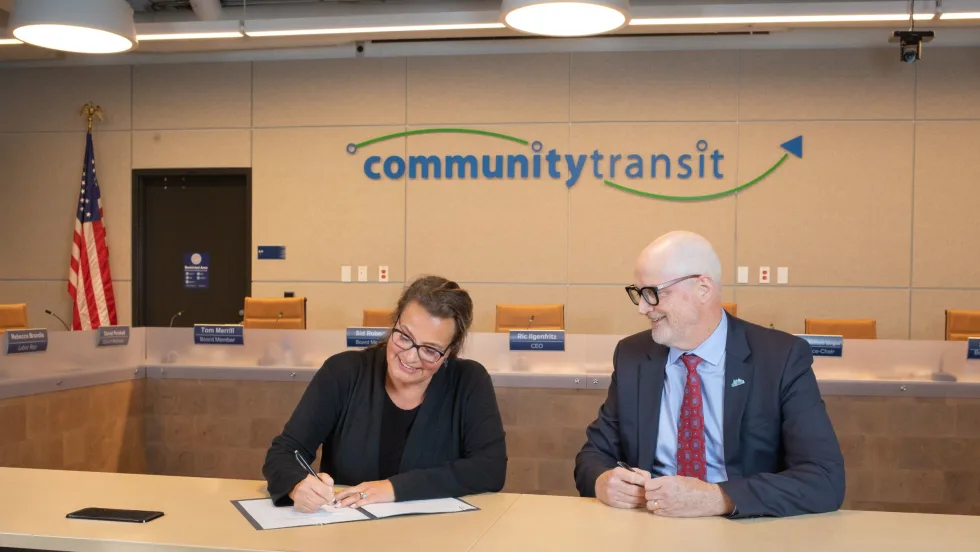
Everett Transit, Community Transit Approve Consolidation of Services
The agreement will bring Everett Transit into Community Transit’s network in April 2027, with plans to increase bus service by 50% by 2031 and expand regional connections.
Read More →
NITA Proposes $5B Operating Budget, $9.7B Capital Program for 2027
The proposed budget includes funding for expanded transit service, safety initiatives, fleet upgrades, and infrastructure improvements across CTA, Metra, and Pace.
Read More →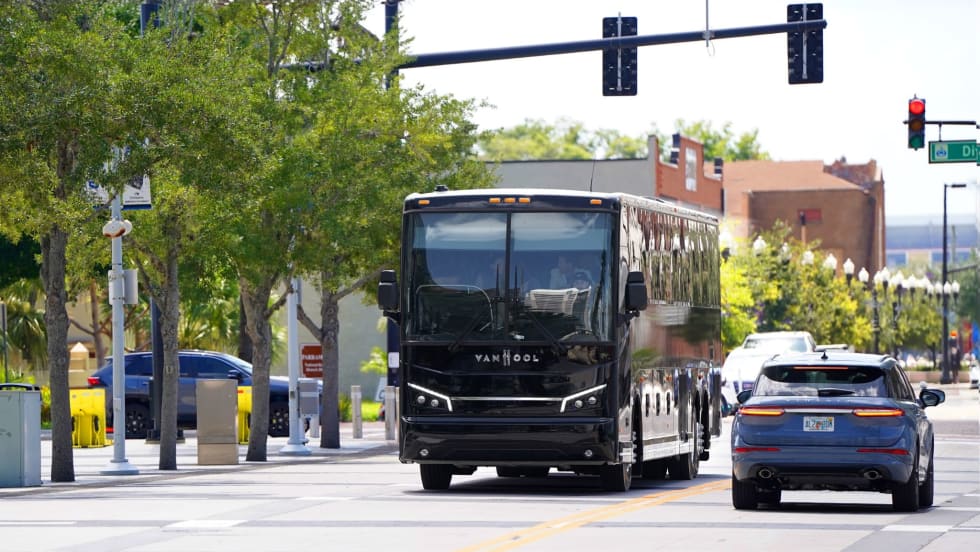
Financing, Fleet Replacement Requires a More Strategic Approach
Executives from ABC Companies and MCI discuss how rising costs, changing market conditions, and post-pandemic challenges are prompting motorcoach operators to rethink financing strategies, fleet replacement cycles, and long-term planning.
Read More →
Bringing Austin’s First Light Rail System to Life
Austin Transit Partnership CEO Greg Canally discusses the city's nearly 10-mile light rail project, its collaborative approach to project delivery, the importance of community engagement, and the milestones ahead as construction approaches in 2027.
Read More →
ETA CEO John Maglio on Transit Technology, Innovation, and Building Agency Trust
ETA founder and CEO John Maglio explores the evolution of transit technology, the importance of reliable systems, and how stronger partnerships can help agencies improve operations and the passenger experience.
Read More →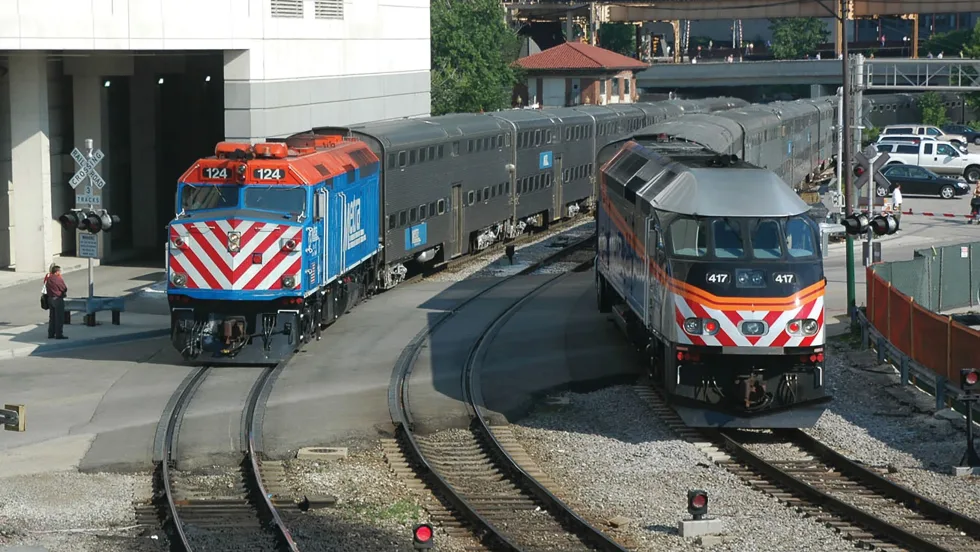
Metra Draft Plan Outlines Costs, Service Improvements for Regional Rail
The Systemwide Network Plan identifies infrastructure needs and potential investments to expand all-day, bidirectional rail service across the Chicago region.
Read More →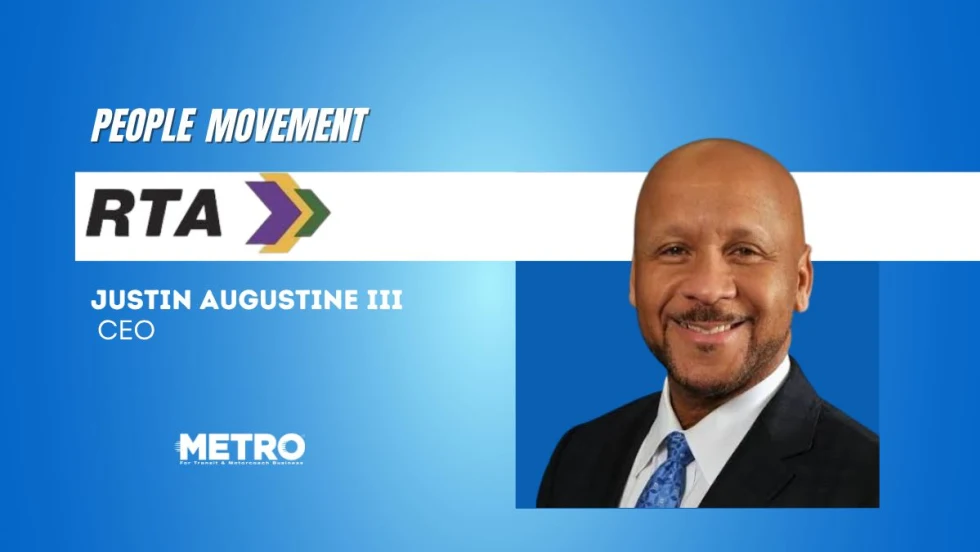
New Orleans RTA Names Augustine III as New CEO
In this edition, we also spotlight recent personnel moves at HDR, PATH, STV, and more, highlighting the people taking on new roles across the transportation industry.
Read More →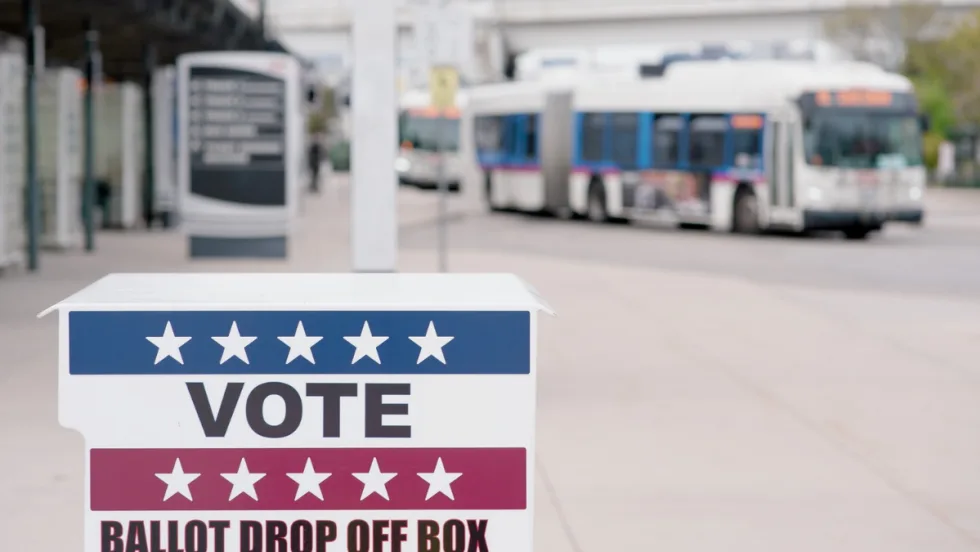
How Transit Agencies Are Using Free Rides to Improve Voting Access
Transit agencies are using fare-free service, trip-planning tools, and targeted rides to improve voting access. See what other agencies can learn from these efforts.
Read More →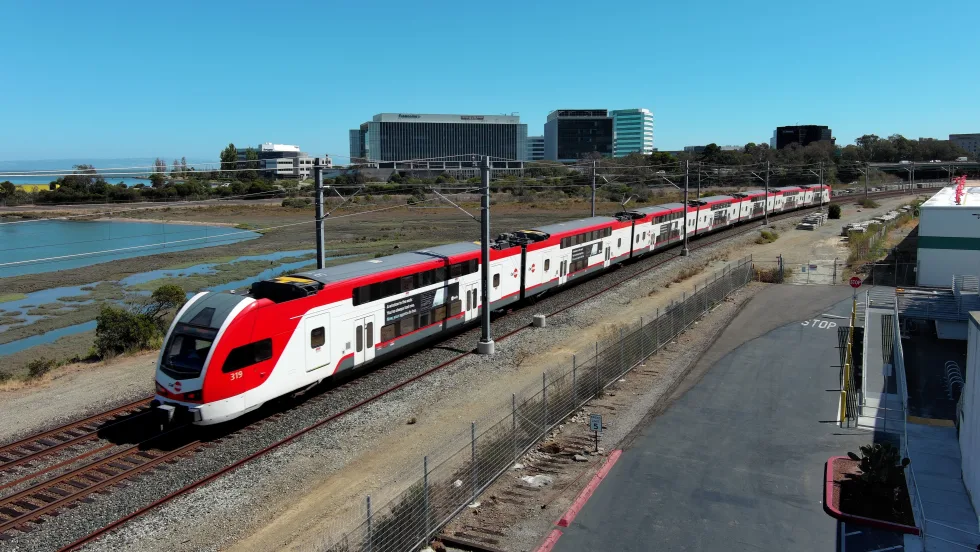
Caltrain’s Electrification Drives a New Era of Ridership Growth
The railroad’s shift to electric service has brought more frequent trains, stronger customer satisfaction, and increased ridership, earning it APTA’s Outstanding Public Transportation System award.
Read More →