



MBTA calms teens with Gershwin's rhapsody
Soothing music has helped curtail violence at suburban station.
Each afternoon after school lets out, several thousand boisterous and often combative teens pass through or congregate at the Forest Hills station at the southern end of the Orange Line subway in suburban Boston.
Fights, sometimes as many as two or three a day, have been common. The police agency for the Massachusetts Bay Transportation Authority (MBTA), maintained a strong presence but found that arresting the offenders did not stop the madness. Thus began their search for non-traditional methods of crime-fighting.
An unlikely solution
John Phillips Souza, an unlikely peacemaker, led the MBTA to a musical solution to the youthful disorder. William Fleming, interim chief of the MBTA police force, says he noticed that teens returning from a Fourth of July concert that featured Souza's patriotic standards were in a relaxed, generally non-combative state.
This curious finding led Fleming to ask a couple of interesting questions: What would happen if strains of calming music were streamed into the Forest Hills station? Would the lilting melody of Gershwin's "An American in Paris" leach an adolescent's desire to bury his fist into someone else's forehead?
To find out, Fleming had speakers installed at the station and began to flood the area with Boston Pops-style light classical music.
Gershwin calms kids
Now, instead of the sounds of teen hysteria rising into a high-pitched frenzy, subway riders at Forest Hills were treated to the civilized sounds of George Gershwin and Keith Lockhart.
"A lot of the kids like the music," notes Fleming. More importantly, the music has curtailed the violence, either by driving away some teens or by tranquilizing them.
"We really haven't had many fights because the music calms the kids down," says Fleming. "It calms the cops down too."
Which is a good thing because it wasn't too long ago that transit cops were forced to use mace and police dogs to control the crowds at the station, a popular youth hangout because of the pizza and popcorn vendors and convenience stores.
"Forest Hills is the Venice Beach [in Southern California] of Boston," explains Fleming. "It's a place where boys meet girls." He says as many as 7,000 to 8,000 teens stream through the station after school ends.
Fleming admits there have been a couple of stabbings near the station recently, but he notes that they occurred outside the station beyond earshot of the soothing melodies.
Other stations eyed
Fleming says he's considering the same music therapy at another station — Quincy Center, near the southern terminus of the Red Line — where teen misbehavior has been a problem. "It's just a matter of hooking up the speakers," he says. "But this will be in front of the station because that's where the kids hang out."
Fleming denies that the music is designed to drive teens away from the station. "We're just trying to calm them down," he says. "They can stay as long as they're smiling."
Should the kids at Forest Hills return to their bellicose ways, Fleming says he'll be forced to take stronger action: "If the kids get out of control, we'll escalate by playing elevator music." He's also toying with the idea of introducing Beethoven. "I've been listening to it in my car,' he says mischievously.
Fleming adds that the success of the piped-in music has allowed him to reduce police presence at the station, helping him to stay in line with his $14 million annual budget.
More Management
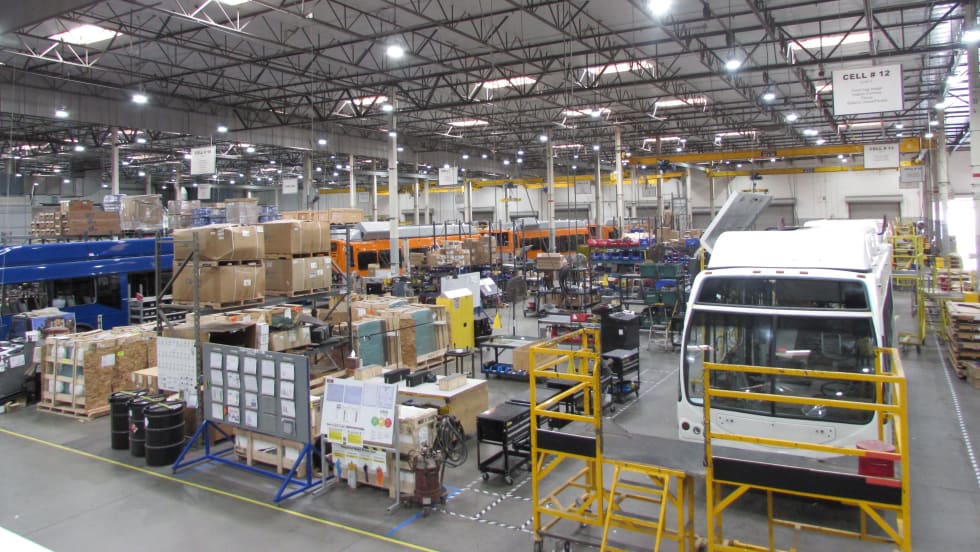
LA Metro Board Approves 220 Battery-Electric Bus Contract to ENC
The contract, which is the largest base award of battery-electric buses by a U.S. transit agency, will be built in Southern California, sustaining good jobs as LA prepares to welcome the world in 2028
Read More →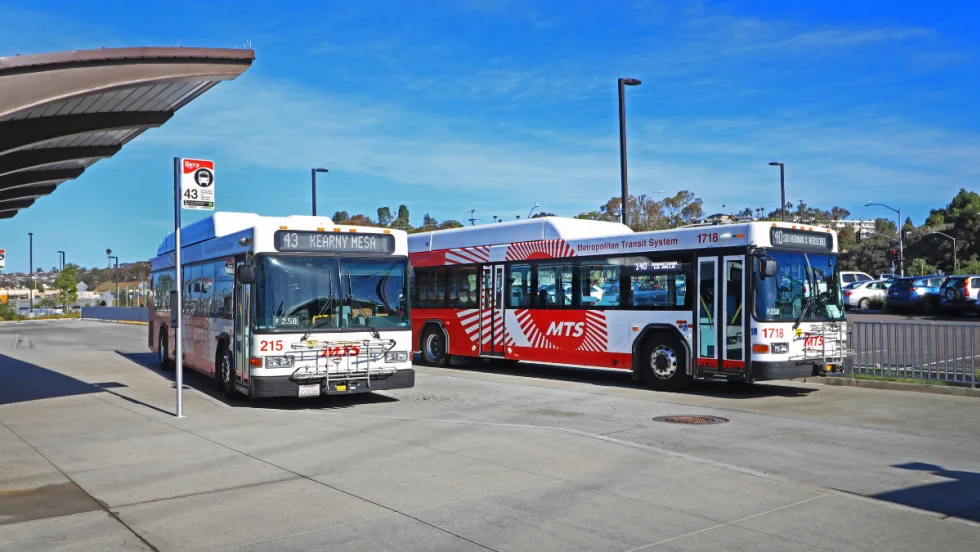
What’s Behind San Diego MTS’s Award-Winning Transit Strategy
Named one of APTA’s 2026 Outstanding Public Transportation Systems with 50 million or more annual passenger trips, California’s San Diego Metropolitan Transit System points to gains in ridership, safety, technology, and reliability as foundations of its success.
Read More →
Public Transit Conference Returning to GFX in 2027, Call for Papers Now Open
The Call for Papers is now open, allowing transit agency professionals and industry experts to help shape the PTC educational program by submitting session ideas for consideration.
Read More →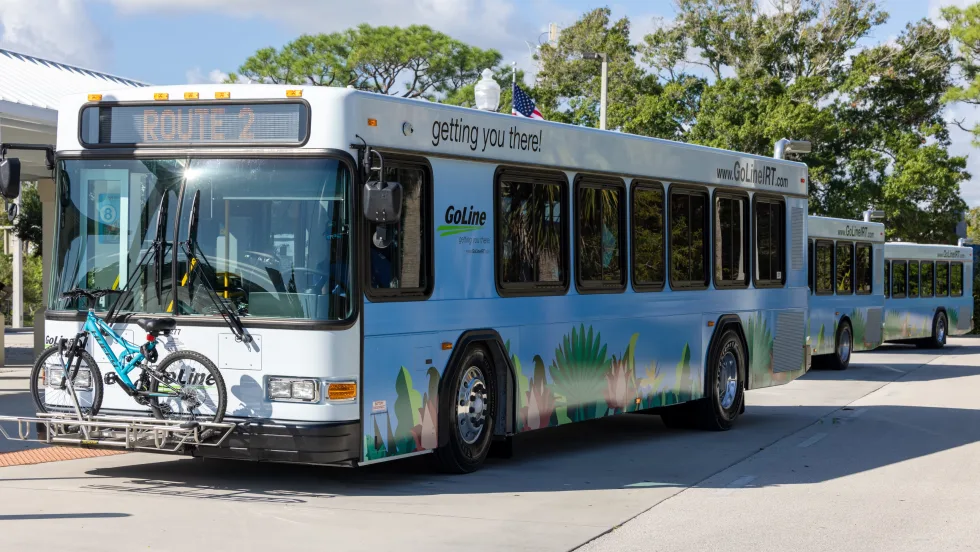
Indian River Transit’s Community-Focused Approach Earns National Recognition
Named APTA’s 2026 Outstanding Public Transportation System in its size category, Florida’s Indian River County transit system continues to grow ridership through fare-free service and a focus on evolving community needs.
Read More →
ENC Lands MATA Contract and More in Biz Briefs
In this edition of Biz Briefs, we spotlight the latest developments shaping the future of mobility.
Read More →
From Surviving to Thriving: Building Stronger Transportation Organizations
Bus Business Consultants founder Brian Dickson shares lessons on leadership, organizational health, and creating options for long-term success in a changing transportation industry.
Read More →
Everett Transit, Community Transit Outline Consolidation Agreement
The proposed agreement calls for a 50% increase in bus service in Everett, a new microtransit zone, continued paratransit service, and the transfer of Everett Transit operations to Community Transit.
Read More →
Strada360’s Steve Lassey on Turning Transit Data Into Better Decisions
From breaking down data silos to preparing for AI, Strada360 CEO Steve Lassey discusses how transit agencies can use technology to improve operations, customer information, and long-term decision-making.
Read More →
People Movement: Phil Washington Joins HNTB, Denver RTD Launches CEO Search, and More
In this edition, we also spotlight recent personnel moves at STV, the Eno Center for Transportation, and more, highlighting the people taking on new roles across the transportation industry.
Read More →
SEPTA Details Accelerate Vision for Transit System
The plan outlines investments in trolley modernization, new Metro and Regional Rail vehicles, accessible stations, and more frequent bus and rail service.
Read More →