



Metro Transit Increases Service in Wake of Minneapolis Bridge Collapse
Minnesota officials hope to replace the I-35W bridge, which collapsed August 1, in about a year. Adding a rail line to the new bridge has also been discussed.
The I-35W bridge in Minneapolis collapsed on Wednesday, Aug. 1, killing 13 people. The following morning, the city’s Metro Transit implemented additional service to accommodate commuters who relied on the bridge for their daily commutes.
“The bridge collapsed at 6:05 [p.m.], and at 8:35 [p.m.] we announced additional bus service for the following day,” said Bob Gibbons, director of customer services at Metro Transit.
Metro Transit readied and deployed 25 additional retirement-aged buses the morning after the collapse. Eighteen of those buses were used to augment the agency’s express bus service. The others supplemented local and regular route service. No new routes were added. Though the agency does not do daily ridership counts, there have been an estimated 1,600 more daily bus riders than average since the collapse, according to Gibbons.
Metro Transit’s immediate response also involved increasing capacity at 12 of its park-and-ride lots. At one lot, that meant adding 91 parking spaces. Free rides were provided from those lots the week following the collapse to help commuters deal with congestion. At those lots where capacity was increased, the agency experienced a 33% increase in parked cars. That increase has mainly sustained, Gibbons said. “If people get on the bus once, they see many of the advantages,” he said.
As part of its long-term solution to deal with traffic congestion caused by the bridge collapse, Metro Transit is looking to add another 50 buses to its routes, based on both demand and funding. To assist with this, the U.S. Department of Transportation provided the agency with $5 million in immediate, emergency funds. Use of the funding is flexible, and does not require the agency to obtain matching local funding. “There’s also talk of a special legislative session for state funding of additional transit,” Gibbons said.
The agency’s current plan for the funding involves expansion of the park-and-ride services north of downtown by 2,100 spaces. That would involve enlarging existing lots and building 1,300 additional spaces. “New park-and-ride locations would mean more routes and limited stop service for faster trips on city streets to downtown,” Gibbons said, adding that the additional service would be added for at least a year, if not longer. “If we draw a loyal audience without the bridge, it’s likely people will stay.”
For the additional buses needed to increase route service, Metro Transit can call on an option contract it has with New Flyer for articulated buses, and has been in contact with Gillig, Gibbons said. The agency was also seeking an additional 26 mechanics and 75 part-time bus operators at the end of August.
To help ease the added congestion, the Minnesota Department of Transportation added a traffic lane on the main highways surrounding the bridge by turning the bus-only lane into a traffic lane. “They believe speeds will be maintained at 35 miles per hour, which is the limit in the bus-only lane, so service would not be affected,” Gibbons said.
State officials hope to get a new I-35W bridge built in about a year. There is some discussion about whether or not the new bridge should include plans for a light rail line. No lines had previously been studied for that route, and the addition of light rail could delay construction of the new bridge. “If the bridge is designed to incorporate light rail, it’s likely the expense would be a state expense,” Gibbons said. “The federal government is just interested in rebuilding the bridge. There’s never been a discussion of having a light rail line operational in a year.”
Metro Transit also operates Minneapolis’ light rail line, but since the train service operates south of downtown, service was unaffected by the bridge collapse.
More Management

ENC Lands MATA Contract and More in Biz Briefs
In this edition of Biz Briefs, we spotlight the latest developments shaping the future of mobility.
Read More →
From Surviving to Thriving: Building Stronger Transportation Organizations
Bus Business Consultants founder Brian Dickson shares lessons on leadership, organizational health, and creating options for long-term success in a changing transportation industry.
Read More →
Everett Transit, Community Transit Outline Consolidation Agreement
The proposed agreement calls for a 50% increase in bus service in Everett, a new microtransit zone, continued paratransit service, and the transfer of Everett Transit operations to Community Transit.
Read More →

Strada360’s Steve Lassey on Turning Transit Data Into Better Decisions
From breaking down data silos to preparing for AI, Strada360 CEO Steve Lassey discusses how transit agencies can use technology to improve operations, customer information, and long-term decision-making.
Read More →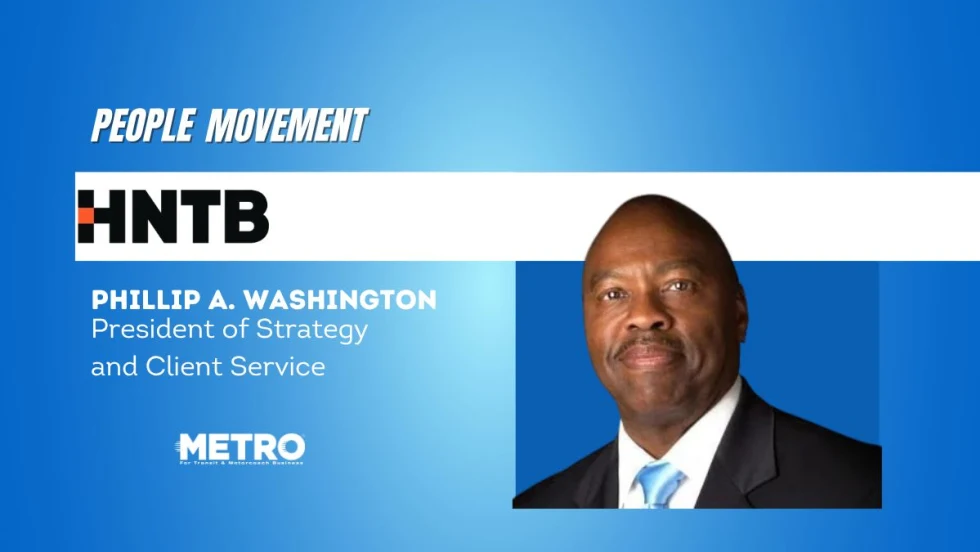
People Movement: Phil Washington Joins HNTB, Denver RTD Launches CEO Search, and More
In this edition, we also spotlight recent personnel moves at STV, the Eno Center for Transportation, and more, highlighting the people taking on new roles across the transportation industry.
Read More →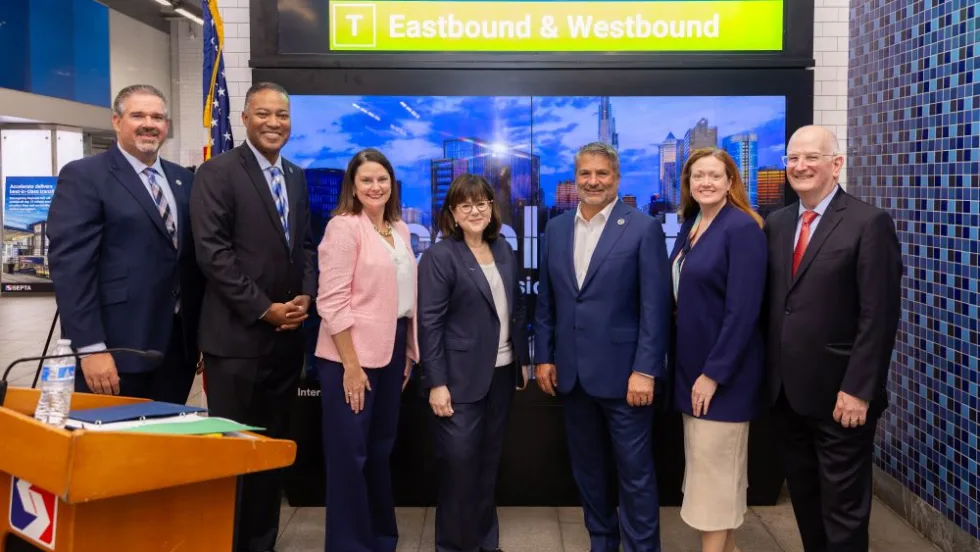
SEPTA Details Accelerate Vision for Transit System
The plan outlines investments in trolley modernization, new Metro and Regional Rail vehicles, accessible stations, and more frequent bus and rail service.
Read More →
FTA Ends Direct Oversight of MBTA Safety Actions
The federal agency closed its remaining special directive to the Massachusetts Department of Public Utilities following a safety review that began in 2022.
Read More →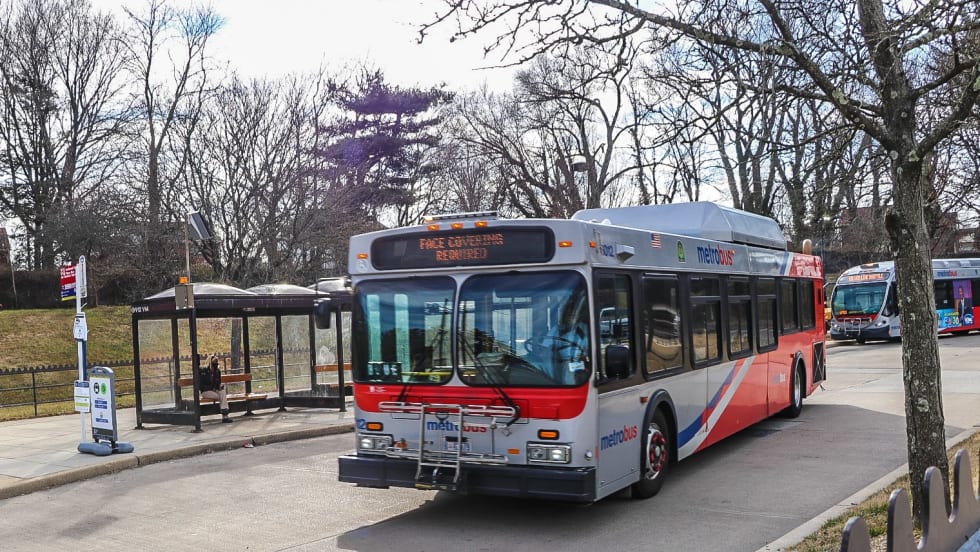
Report: Transit Bus Manufacturing Supports 34,100 Jobs, $5.1B in GDP
The “Buses Mean Business” report examines the transit bus manufacturing industry’s economic footprint, supply chain, and rising demand for vehicle replacements.
Read More →
LIT Marks 10-Year Milestone at Annual Summit
Hosted by the COTA from September 10 to 13, the Summit carried the theme “Celebrating 10 Years of Excellence, Leadership, and Impact,” with every part of the program honoring the people, agencies, and partners who built LIT over its first decade.
Read More →
People Movement: Dan Dipert Coaches Adds Third-Generation Leader, Keolis Names New Valley Metro VP/GM, and More
In this edition, we also cover recent appointments and announcements at the Wabtec, SilverRide, HNTB, and more, showcasing the individuals helping to shape the future of transportation.
Read More →