



Pub Perspective: Begin next authorization preparation now
A lot will be dictated by the outcome of the election, which is also why we need to start making, or rather restating, the case for public transportation investment.
Yes, we just got an authorization bill, and the industry should celebrate that. After all, a few short weeks ago, our federal program stood on the edge of oblivion, as many in the House majority wanted to take the Mass Transit Account and give it to highways. Yet, because this new bill is only a two-year authorization, we need to get ready for the next one — starting now.
Rushed through
Moving Ahead for Progress in the 21st Century (MAP-21) was legislation that almost caught everyone by surprise. The Senate had all the momentum and was working on a bipartisan bill. The revenue sources were always a problem, but even those were worked on in a bipartisan way. Maybe because everyone in the House runs for re-election, or some in the leadership really understand that a few had some pretty radical ideas among their ranks and were ready to carry them out if they got the chance, or even because those radicals didn’t understand their ideas were going to meet pretty strong opposition even within their own majority, the House never seemed like it was going to pass anything. Then the Senate saw an opportunity to put pressure on the other chamber, and combined with increasing voter frustration that the House was not focused on jobs and a looming election, suddenly a bill was rushed through the last days of the Congressional session.
Much was left unfinished, however, and because the bill was rushed, a technical corrections bill is coming; maybe even by the time you read this. For example, even though both sides agreed to a Small Starts program authorized at $150 million per year, it never showed up in the text of the bill they passed.
Less than desirable
This also illustrates that the bill is less than desirable by most who have read it, not least because there is still not enough money dedicated to the highway and transit programs. It remains the most important thing the industry can work on, so the next bill restores the funding guarantees that the two authorizations before MAP-21 had included.
A lot will be dictated by the outcome of the election, which is also why we need to start making, or rather restating, the case for public transportation investment. It took a while for the industry to develop the consensus of positions that led to MAP-21. We need to make sure we stay together on the next one; which means now. After all, the industry took almost two years to discuss, draft and adopt the industry’s positions. This time it will likely be harder.
More Paratransit

Biz Briefs: RIPTA Unveils New Frontrunners, Clevland RTA Adds New Siemens, and More
In METRO's latest installment, we take a look at recent news from Siemens, Prevost, Dodge, and more partnerships making headlines across the transportation sector.
Read More →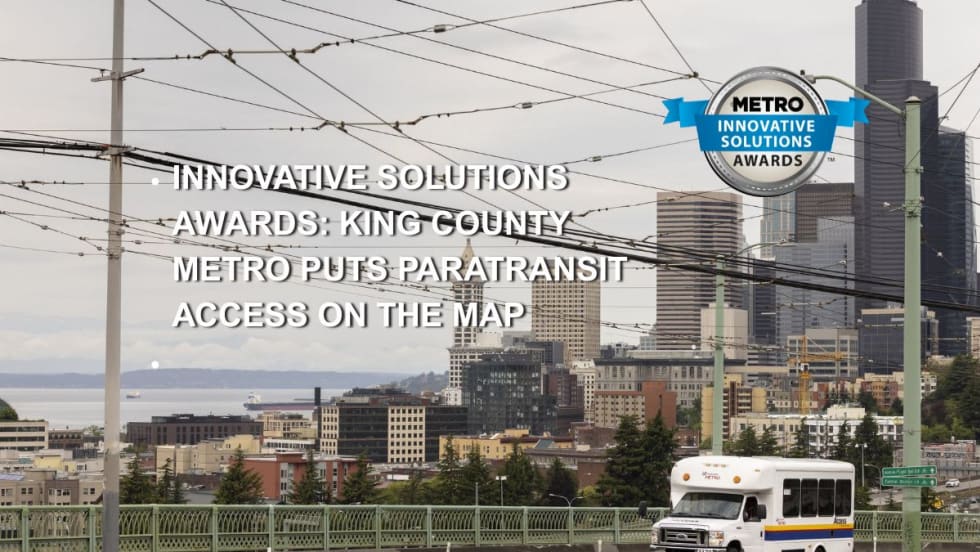
King County Metro Makes ADA Paratransit Easier to Navigate
METRO's Innovative Solutions Award winner replaces complex service-area descriptions with an accessible, interactive map that puts paratransit information directly in customers’ hands.
Read More →
Jacksonville’s NAVI Project Charts a New Course for Autonomous Public Transportation
Through its NAVI program, JTA is showing how autonomous vehicles, intelligent infrastructure, and coordinated operations can work together to deliver everyday public transportation.
Read More →
Driving Smarter Paratransit
John Hanlon shares how AlphaRoute is leveraging AI-powered technology to help paratransit providers optimize operations, support frontline staff, and enhance the rider experience.
Read More →
METRO Magazine Announces 2026 Innovative Solutions Awards Winners
Projects Recognized for Advancing Mobility Through Technology, Accessibility, Workforce Innovation, and Operational Excellence
Read More →
Biz Briefs: STV teams with Amtrak, Motorcoach Operators Boost Fleet and Land Contracts, and More
From manufacturers and suppliers to transit agencies and motorcoach operators, these updates offer a snapshot of the projects, partnerships and business moves driving the industry forward.
Read More →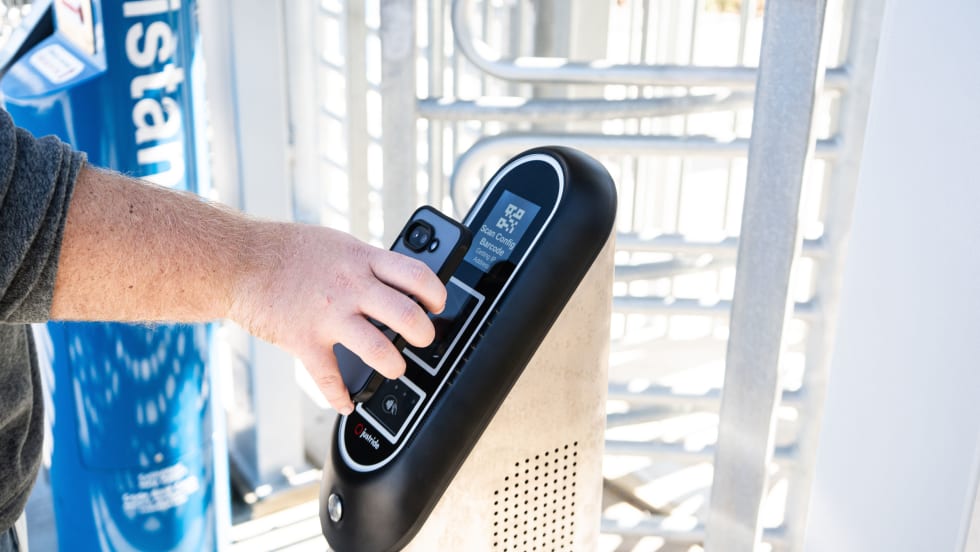
Biz Briefs: Masabi Teams with St. Louis Metro and More
In METRO's latest installment, we take a look at recent news from Transdev, Hitachi, and more partnerships making headlines across the transportation sector.
Read More →
New York MTA Leverages Zoning Program to Advance Station Accessibility
Accessibility enhancements at Nevins St Station will be financed through a development agreement tied to the MTA's Zoning for Accessibility initiative.
Read More →
Reinventing Fleet Maintenance with Real-time Visibility and AI
Transit leaders need to know what needs fixing, where to look, who is responsible, when work is completed, and what it costs without having to chase information across disconnected systems.
Read More →
SamTrans Sets Priorities for Potential Connect Bay Area Revenue
The board-approved framework allocates future funding to maintaining service, rider improvements, equity initiatives, and infrastructure repairs.
Read More →