



Some changes, but commitment to quality continues
This will be my last column as editor and associate publisher of METRO.
This will be my last column as editor and associate publisher of METRO. It is a tenure that I have thoroughly enjoyed. Anyone who has helped to put words on a printed (and, recently, electronic) page knows how deeply rewarding the experience can be. They also know how grueling it can get. Hence the need to step back and allow new blood to infuse the pages of my favorite trade publication. To friend and rival alike, however, I will not go away entirely. Too many years and too much sweat have been invested herein to allow that to happen. I plan to continue writing for the publication and will be continuing my industry involvements in my new capacity, as part of the sales and marketing staff at North American Bus Industries. In short, very little changes except for the day-to-day intensity. For the day-to-day operations, the magazine continues to be in very good hands in those of Managing Editor Leslie Davis. Oversight remains with Publisher Frank Di Giacomo, as it has for more than a decade and counting. How this space will change Although this column has contained my editorial commentary, I have chosen to focus my opinions on only one theme: public transportation quality. The topic is a broad enough platform on which to say something useful and interesting every issue (which might not have been readily apparent, but that wasn’t the subject matter’s fault). More importantly, however, quality is the issue that will determine this industry’s fate. As management experts C.K. Prahalad and Gary Hamel point out, quality is no longer a competitive weapon. It is an essential prerequisite to competing for survival in the future. In other words, how well an organization or industry offers quality products and services no longer determines how well they can compete. It determines whether they will compete in the game at all. Accordingly, this column will change in name only. In the future, it will be called “Quality Matters.” It will feature short news items on customer service initiatives at both supplier and operator organizations, ISO 9000 news as it relates to the public transport industry and other quality-related developments. To have your organization’s news considered, contact Leslie at leslie.davis@metro-magazine.com. I am certain there will be plenty you can share with her. I am convinced that the only way this industry can compete against the door-to-door convenience of the personal auto is by offering a high-quality experience that meets customers’ needs for on-time performance, time savings, frequency of service and passenger amenities. That is far easier said than done, however. Public transport providers must actively engage their current and prospective riders, determine exactly what they want, design services accordingly and measure objectively how well service meets the targets. And it must never stop; in fact, it must continue to get better. My feeling is that the industry will meet all these challenges. The public will demand it, and has already supported the demands with record investments at all levels of government. So has the private sector. I have said before that public transportation will not have fully arrived until it interests both Wall Street and Main Street. The industry is starting to show serious business potential—hopefully the recent stock market troubles will not make the moneybags gun-shy. As I move into a new phase of my transit career I hope readers will continue to contact and engage me and METRO on these issues. It’s not really goodbye, then. See you around.
More Management

Bus Tech Talk: Keeping Transit Technicians Ahead of the Technology Curve
In this episode of Bus Tech Talk, Complete Coach Works’ Business Development Manager Mark Hollenbeck and METRO’s Executive Editor Alex Roman sit down with Obed Mejia, Senior Technical Trainer for Bus Maintenance, at LA Metro to discuss how rapidly evolving bus technology is changing the maintenance shop — and the skills technicians need to keep pace.
Read More →
Michael Schneider Joins Paslay Group to Expand Transportation Practice
The longtime transportation executive will help Paslay Group grow its advisory and program management work across transit, highway, and other infrastructure sectors.
Read More →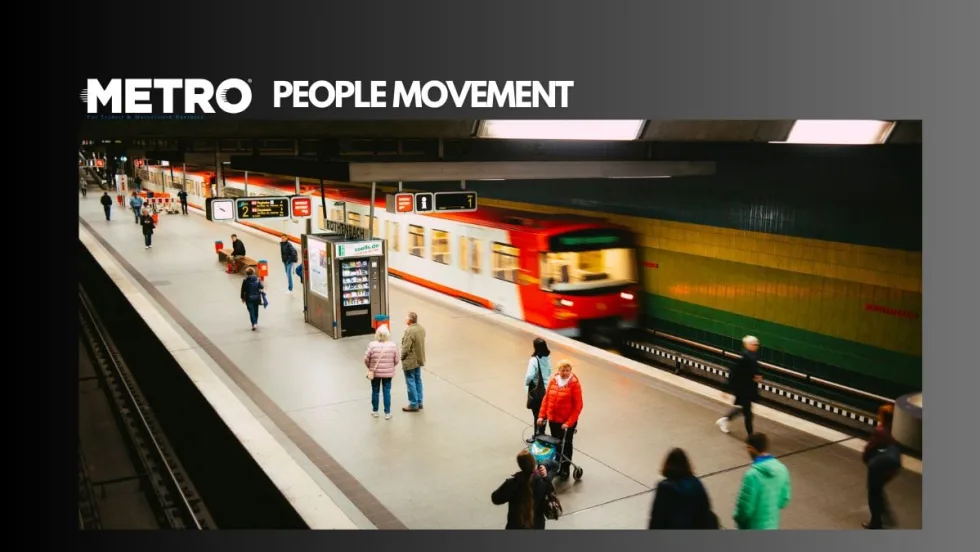
People Movement: Connectpoint Expands Leadership Team, Stadler Names New Group CEO, and More
In this edition, we also spotlight recent personnel moves at Burns, UZURV, and more, highlighting the people taking on new roles across the transportation industry.
Read More →
More Than a Summer Job: Building the Next Generation of Transit Talent
The Delaware River Port Authority and PATCO have transformed their internship program into a hands-on professional development experience that introduces students to the breadth of transportation careers — and creates a pipeline for future employees.
Read More →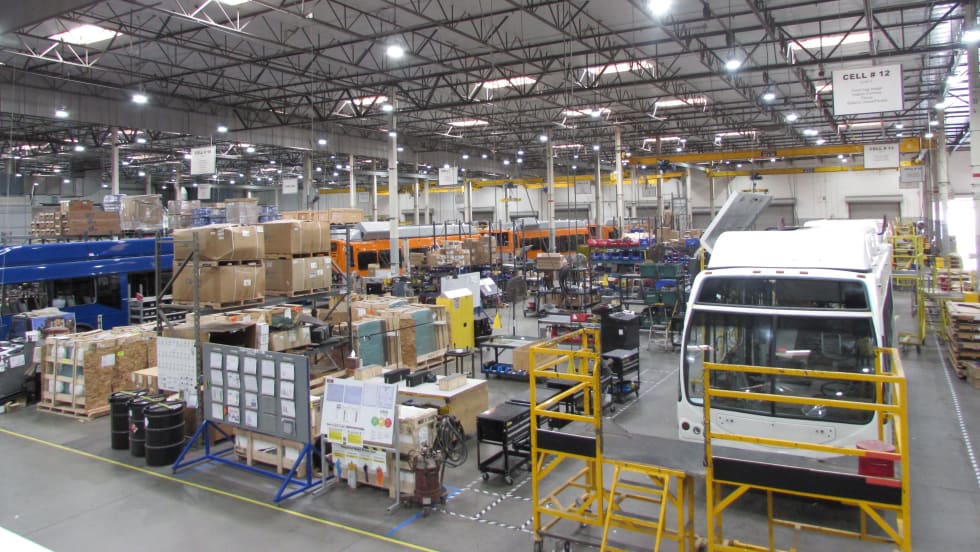
LA Metro Board Awards 220 Battery-Electric Bus Contract to ENC
The contract, which is the largest base award of battery-electric buses by a U.S. transit agency, will be built in Southern California, sustaining good jobs as LA prepares to welcome the world in 2028
Read More →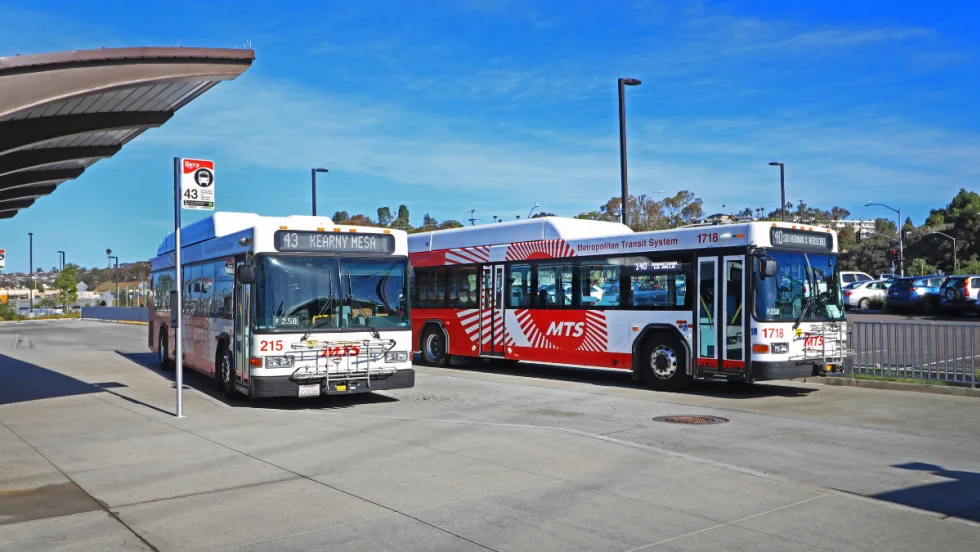
What’s Behind San Diego MTS’s Award-Winning Transit Strategy
Named one of APTA’s 2026 Outstanding Public Transportation Systems with 50 million or more annual passenger trips, California’s San Diego Metropolitan Transit System points to gains in ridership, safety, technology, and reliability as foundations of its success.
Read More →
Public Transit Conference Returning to GFX in 2027, Call for Papers Now Open
The Call for Papers is now open, allowing transit agency professionals and industry experts to help shape the PTC educational program by submitting session ideas for consideration.
Read More →
Indian River Transit’s Community-Focused Approach Earns National Recognition
Named APTA’s 2026 Outstanding Public Transportation System in its size category, Florida’s Indian River County transit system continues to grow ridership through fare-free service and a focus on evolving community needs.
Read More →
ENC Lands MATA Contract and More in Biz Briefs
In this edition of Biz Briefs, we spotlight the latest developments shaping the future of mobility.
Read More →From Surviving to Thriving: Building Stronger Transportation Organizations
Bus Business Consultants founder Brian Dickson shares lessons on leadership, organizational health, and creating options for long-term success in a changing transportation industry.
Read More →