



U.S. transit agencies propose fare hikes to offset fuel costs
Agencies from St. Louis to Los Angeles to Wisconsin are feeling the pressure.

Metrolink, Southern California’s regional rail service, is one of many U.S. transit agencies proposing fare increases to offset skyrocketing fuel costs. The agency is asking for an average increase between 4.5% and 9.25%, which will go into effect on July 1 if approved by its board. Currently, a basic three-zone fare is $6.50. “It’s an unfortunate situation that we find ourselves in,” said Metrolink spokeswoman Denise Tyrrell. “We’ve had to endure rising fuel costs beyond what was in our annual budget.” The cost of ultra-low sulfur diesel fuel used by Metrolink trains increased 30% in the past year. With fuel prices predicted to remain high, the additional cost could be nearly $1.7 million over the next year. Every five-cent increase in the price of diesel fuel translates into an additional expense totaling $280,000 annually for the system. The commuter railroad had previously approved a plan for an average annual increase of 3.5% along with a restructuring of its fare policy. “If the lowest fare increase goes through, that would be an additional 1%,” Tyrrell said. In addition to rising fuel costs, insurance for the commuter railroad will triple during the next fiscal year. “We’d really love to reassure people who rely upon us for transportation that we’ve done everything in our power to cut costs that we can control.” St. Louis’ Metro, which operates light rail, fixed-route bus and paratransit services, is another system that is struggling to balance its budget. During a meeting with the agency’s governing board, Metro President and CEO Larry E. Salci said that in lieu of cutting service, the system would need a fare increase to offset the escalating multi-million-dollar impact of fuel prices. In addition to fuel costs for the system, which have risen 82.2%, he cited a number of financial pressures affecting Metro’s budget, including flat or declining revenue from local sources and rising medical costs for employees. The agency has already made a number of cost-cutting moves, including improvements in unscheduled absenteeism and workers’ compensation claims, maximized use of part-time operators and improved financial, purchasing and inventory systems. Other cost-cutting measures slated for FY 2006 include a management salary freeze and increasing the retirement age for non-union employees from 60 to 65. Wisconsin’s Madison Metro has given a proposal to its policy-making board to raise fares to $1.65 in August — up from $1.50 — to reduce the expected deficit resulting from fuel hikes. “It’s something we are giving [the board] to consider,” said Madison Metro spokeswoman Julie Maryott-Walsh. Before it resorts to the fare increase, the system will look into increasing advertising revenues. “Anecdotally, our riders are saying they would rather have us increase fares than decrease service,” Maryott-Walsh said.
More Management

ENC Lands MATA Contract and More in Biz Briefs
In this edition of Biz Briefs, we spotlight the latest developments shaping the future of mobility.
Read More →
From Surviving to Thriving: Building Stronger Transportation Organizations
Bus Business Consultants founder Brian Dickson shares lessons on leadership, organizational health, and creating options for long-term success in a changing transportation industry.
Read More →
Everett Transit, Community Transit Outline Consolidation Agreement
The proposed agreement calls for a 50% increase in bus service in Everett, a new microtransit zone, continued paratransit service, and the transfer of Everett Transit operations to Community Transit.
Read More →

Strada360’s Steve Lassey on Turning Transit Data Into Better Decisions
From breaking down data silos to preparing for AI, Strada360 CEO Steve Lassey discusses how transit agencies can use technology to improve operations, customer information, and long-term decision-making.
Read More →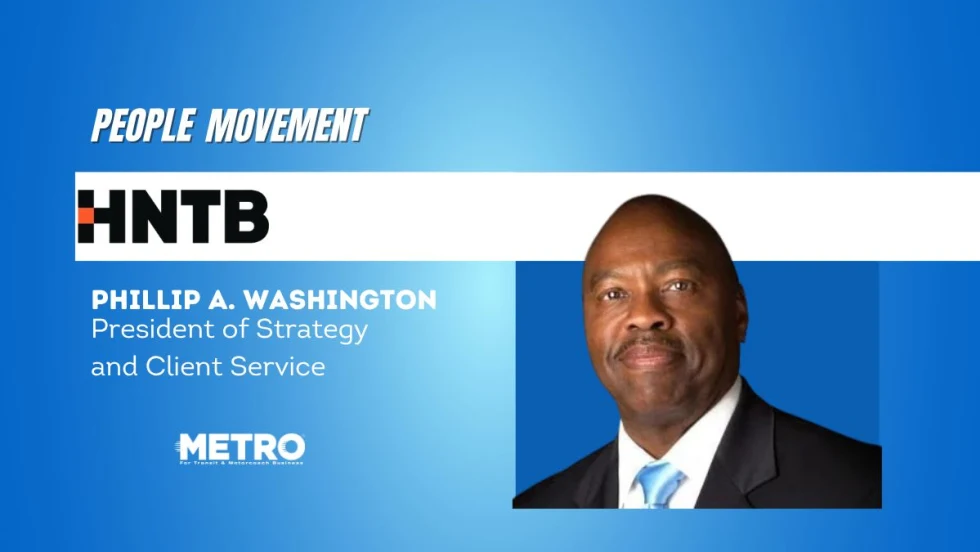
People Movement: Phil Washington Joins HNTB, Denver RTD Launches CEO Search, and More
In this edition, we also spotlight recent personnel moves at STV, the Eno Center for Transportation, and more, highlighting the people taking on new roles across the transportation industry.
Read More →
SEPTA Details Accelerate Vision for Transit System
The plan outlines investments in trolley modernization, new Metro and Regional Rail vehicles, accessible stations, and more frequent bus and rail service.
Read More →
FTA Ends Direct Oversight of MBTA Safety Actions
The federal agency closed its remaining special directive to the Massachusetts Department of Public Utilities following a safety review that began in 2022.
Read More →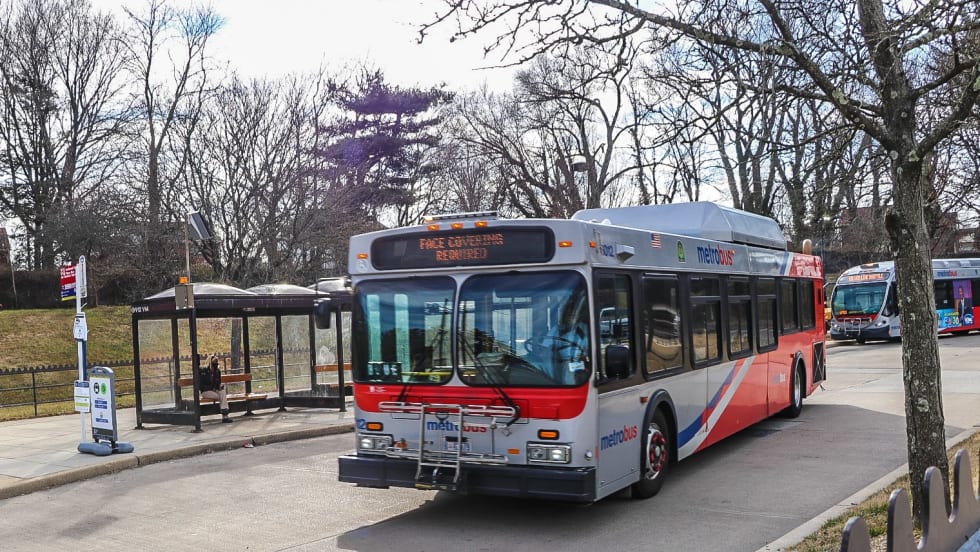
Report: Transit Bus Manufacturing Supports 34,100 Jobs, $5.1B in GDP
The “Buses Mean Business” report examines the transit bus manufacturing industry’s economic footprint, supply chain, and rising demand for vehicle replacements.
Read More →
LIT Marks 10-Year Milestone at Annual Summit
Hosted by the COTA from September 10 to 13, the Summit carried the theme “Celebrating 10 Years of Excellence, Leadership, and Impact,” with every part of the program honoring the people, agencies, and partners who built LIT over its first decade.
Read More →
People Movement: Dan Dipert Coaches Adds Third-Generation Leader, Keolis Names New Valley Metro VP/GM, and More
In this edition, we also cover recent appointments and announcements at the Wabtec, SilverRide, HNTB, and more, showcasing the individuals helping to shape the future of transportation.
Read More →