



Voters decide on transportation issues
Election Day saw more than a hotly contested presidential race. Transportation was the subject of several high profile ballot measures across the country.

Election Day saw more than a hotly contested presidential race. Transportation was the subject of several high profile ballot measures across the country. Voters decided on tax increases and bonds, with dramatic effects on public transportation. New York rejected a $3.8 billion bond, the largest ever in the state’s history. The 53% to 47% defeat jeopardizes the Metropolitan Transportation Authority’s capital plan, including investments in the new Second Avenue subway line, rolling stock and stations. In the same neighborhood, the New Jersey Transportation Trust Fund received a boost from the electorate, which amended the state constitution to transfer about $400 million annually from fuel and car sales tax revenues to improvements in transportation. A constitutional amendment was also approved in Florida, where 53% of voters mandated the construction of a high-speed rail network. Legislators must decide on five cities to include, the type of train to be employed and begin construction within three years. Opponents expect to challenge the amendment in court. New light rail starts took a hit in Kansas City, where a proposal for a $980 million system failed 62% to 38%. The privately fielded transit plan also failed in 1998 and 1999. Kansas City officials opposed the measure and plan on introducing their own light rail project next year. An ambitious plan to use light rail to alleviate congestion in Austin was also rejected by Texas voters. Capital Metro lost its bid to construct a $1.9 billion dollar line by a mere 1,800 votes. In Ohio, the Toledo Area Rapid Transit Authority (TARTA) won a levy that should provide the bus system with $5.8 million annually. TARTA introduced the levy in 1971 and renewed it in 1980 and 1990. The 2000 measure increases revenues by updating the property values the tax is based on. Also earning electoral support was the Utah Transportation Authority (UTA). Voters in that state approved an additional quarter cent per dollar sales tax to augment the UTA’s $90 million budget by another $43 million. Exit polls showed the measure winning 58% of the vote. The plan would add light rail and increase bus and train service in and around Salt Lake City. Sales taxes are also going up in Washington. King County voters agreed to an increase from 8.6 to 8.8 cents per dollar in order to maintain current levels of service. The tax hike came in response to 1999’s Initiative 695, which reduced vehicle excise taxes and dramatically undermined King County Metro’s funding. A significant victory for public transportation came in Northern California, where voters in Alameda and Santa Clara counties produced the two thirds majorities required for new transportation projects. Together, the two measures will earn more than $7 billion for transportation from a half cent on the dollar jump in sales taxes. The revenues are earmarked for the extension of the Bay Area Rapid Transit system to San Jose. The area experienced a 68% increase in freeway traffic delays between 1998 and 1999.
More Management
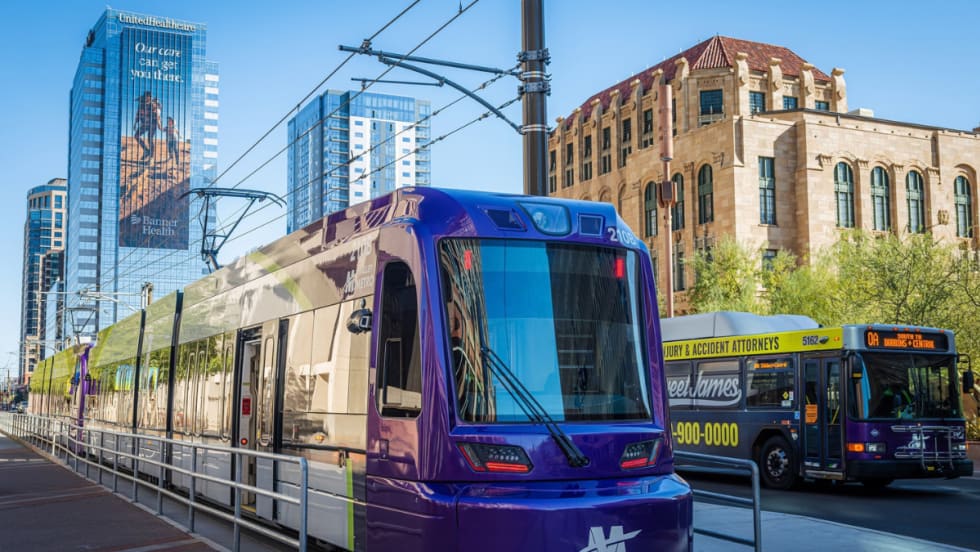
How Valley Metro Is Balancing Transit Growth With the Rider Experience
The APTA award-winning agency is pairing rapid system expansion with investments in workforce, safety, technology, and the fundamentals of transit service.
Read More →
Bus Tech Talk: Keeping Transit Technicians Ahead of the Technology Curve
In this episode of Bus Tech Talk, Complete Coach Works’ Business Development Manager Mark Hollenbeck and METRO’s Executive Editor Alex Roman sit down with Obed Mejia, Senior Technical Trainer for Bus Maintenance, at LA Metro to discuss how rapidly evolving bus technology is changing the maintenance shop — and the skills technicians need to keep pace.
Read More →
Michael Schneider Joins Paslay Group to Expand Transportation Practice
The longtime transportation executive will help Paslay Group grow its advisory and program management work across transit, highway, and other infrastructure sectors.
Read More →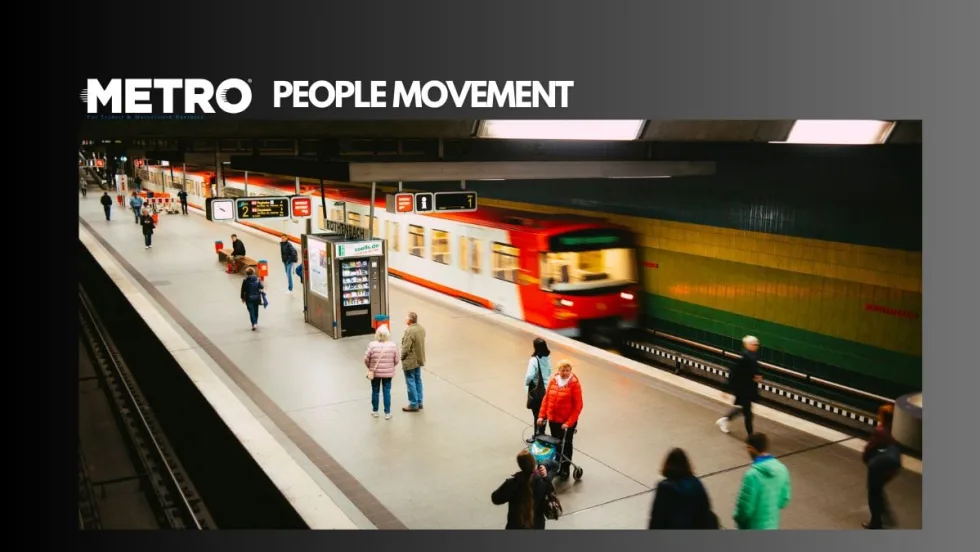
People Movement: Connectpoint Expands Leadership Team, Stadler Names New Group CEO, and More
In this edition, we also spotlight recent personnel moves at Burns, UZURV, and more, highlighting the people taking on new roles across the transportation industry.
Read More →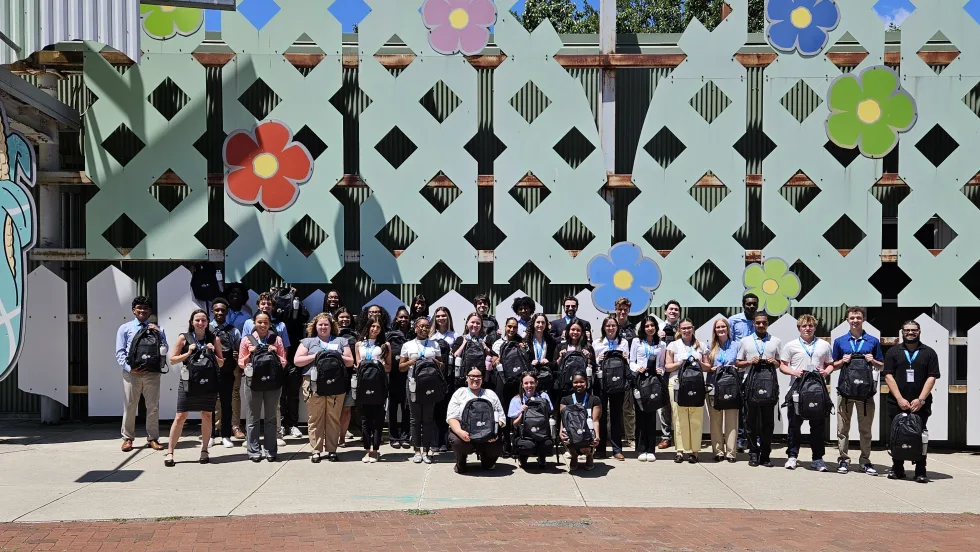
More Than a Summer Job: Building the Next Generation of Transit Talent
The Delaware River Port Authority and PATCO have transformed their internship program into a hands-on professional development experience that introduces students to the breadth of transportation careers — and creates a pipeline for future employees.
Read More →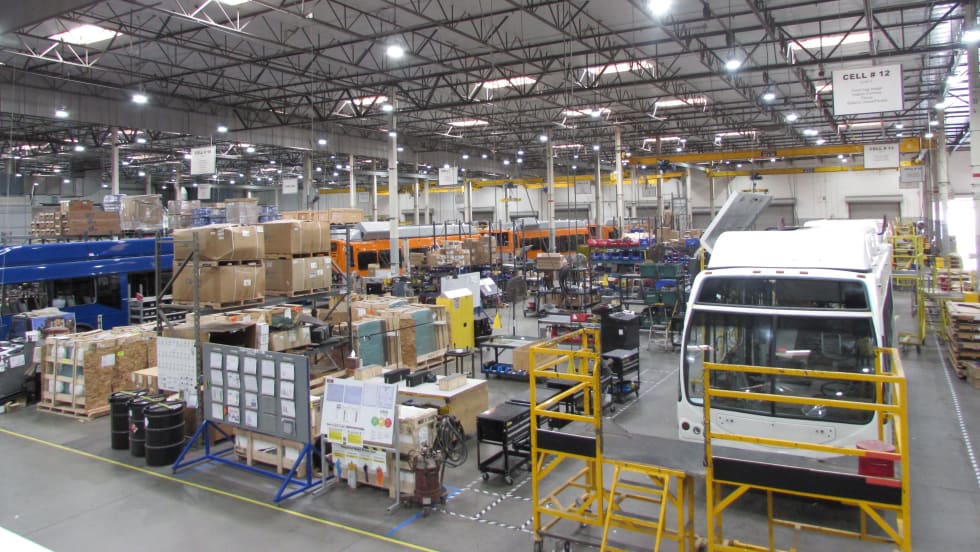
LA Metro Board Awards 220 Battery-Electric Bus Contract to ENC
The contract, which is the largest base award of battery-electric buses by a U.S. transit agency, will be built in Southern California, sustaining good jobs as LA prepares to welcome the world in 2028
Read More →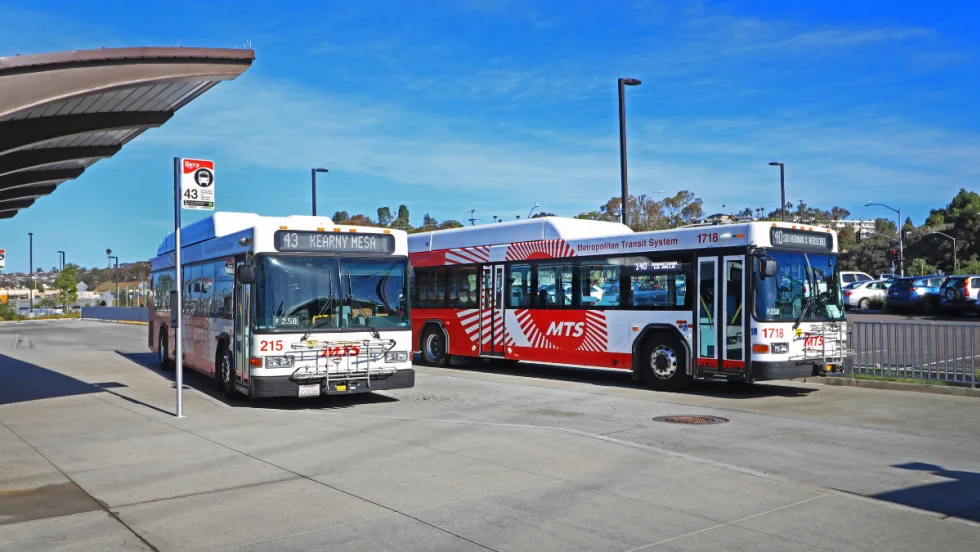
What’s Behind San Diego MTS’s Award-Winning Transit Strategy
Named one of APTA’s 2026 Outstanding Public Transportation Systems with 50 million or more annual passenger trips, California’s San Diego Metropolitan Transit System points to gains in ridership, safety, technology, and reliability as foundations of its success.
Read More →
Public Transit Conference Returning to GFX in 2027, Call for Papers Now Open
The Call for Papers is now open, allowing transit agency professionals and industry experts to help shape the PTC educational program by submitting session ideas for consideration.
Read More →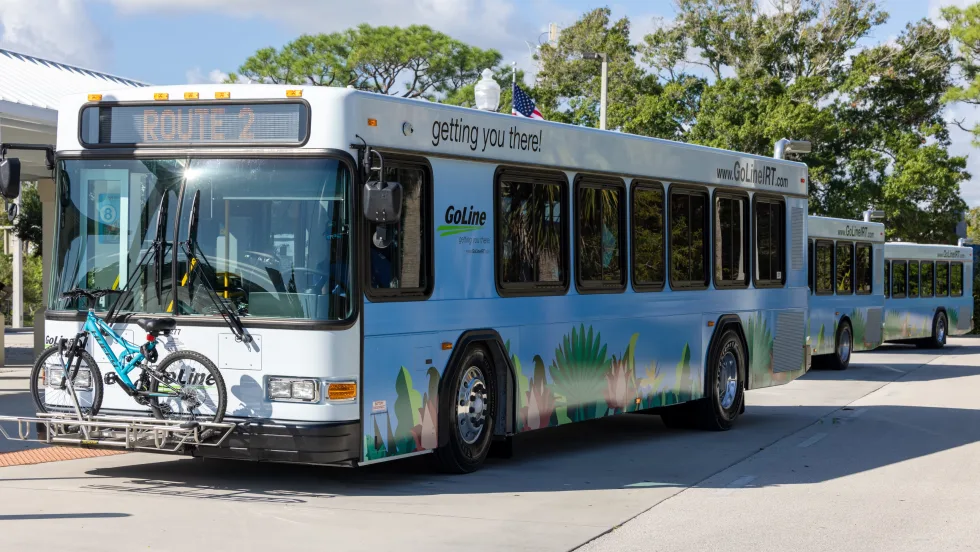
Indian River Transit’s Community-Focused Approach Earns National Recognition
Named APTA’s 2026 Outstanding Public Transportation System in its size category, Florida’s Indian River County transit system continues to grow ridership through fare-free service and a focus on evolving community needs.
Read More →
ENC Lands MATA Contract and More in Biz Briefs
In this edition of Biz Briefs, we spotlight the latest developments shaping the future of mobility.
Read More →