



Zero Emissions, Mobility, and More with AECOM's Andrew Bui
Bui works with clients across the globe on developing strategies focused on efficiently deploying and scaling zero emission technologies for fleet and infrastructure owners.


Recently, METRO’s Executive Editor Alex Roman got a chance to chat with AECOM's Andrew Bui about the current hurdles being experienced by agencies looking to transition to zero emissions, the growth of alternative mobility modes, and much more.
Photo: AECOM
Andrew Bui sr. VP, global bus and zero emissions, at AECOM, where he is focused on supporting cities, transit agencies, fleet owners, and infrastructure owners and operators transition to zero emissions vehicles.
Bui works with clients across the globe on developing strategies focused on efficiently deploying and scaling zero emission technologies for fleet and infrastructure owners.
Recently, METRO’s Executive Editor Alex Roman got a chance to chat with Bui about the current hurdles being experienced by agencies looking to transition to zero emissions, the growth of alternative mobility modes, and much more.
As zero emission bus (ZEB) usage continues to grow, what have been some of the recent hurdles in implementation?
There have been three major challenges that have come up over the past few years as ZEB adoption and demand on the technology has increased:
Vehicle and fueling infrastructure availability and reliability. While many states and transit agencies have committed to transitioning their fleets, the biggest hurdle we see is the long lead times or even availability of the buses, chargers, and energy infrastructure. Original equipment manufacturers (OEM) are struggling and a few have left the U.S. market or filed for bankruptcy, leaving less market options for agencies, longer lead times, and even risk of warranties or parts for manufacturers that are no longer in business.
Scaling fleet conversions. Many agencies have had the opportunity to pilot or purchase a small number of zero emissions buses, however as they scale, the challenges are exponential. Space requirements, fueling strategies, and resiliency get more complicated with more ZEBs.
Adapting and Accepting Change. Many agencies have had bus systems in operations for decades and the system in which they operate is still relatively unchanged, but with ZEBs, there is more complexity and the opportunity to modernize, which is a challenge for agencies that have other competing priorities such as driver shortages, ridership, and rider experience. As more ZEBs convert for agencies, accepting and embracing the changes can be beneficial, but also difficult for agencies to embrace.
What can consultants like AECOM do to help agencies negotiate those hurdles?
With many of our clients, we have supported them on any and every step of their fleet conversion to ZEBs. Our goal isn’t to sell vehicles or technology, our goal is to support transit agencies in succeeding and minimizing risks and impacts to their service. That means we have supported agencies in full delivery of their zero emissions programs and found new tools to help them make data driven decisions and strategies for a transition that may take some agencies decades to complete fully.
Master planning, phasing, modeling vehicle changes and infrastructure needs; developing procurement strategies to find ways to procure long-lead items earlier; and planning changes across the entire agency, not just their vehicle departments, are ways we’ve supported agencies with ZEB conversion hurdles.
Ultimately, our goal is to help agencies see the end goal and the steps it takes to get there while reducing risk, creating flexibility, and realizing value for the agency and the riders.
What role do you feel “alternative methods” of transportation, such as bikeshare, AVs, and microtransit, will continue to play? Do you feel any of these specifics modes will see more growth?
Many of these ‘alternative methods’ will continue to grow with transit as we continue to see transit evolve to be more than just trains and buses. First/last mile continues to be a challenge, and microtransit, bikeshare programs, and AVs continue to be explored as a way to feeders for transit and ways to close the gap for first/last mile destinations.
As we do continue to explore those options, finding ways we can partner with the private sector, have those new modes also be zero emissions, and tie them into payment systems will continue to be a challenge, but one that is getting more innovation.
What do you think will be the future of innovation in public transit? Will we continue to see more gondola, hyperloop, or other sort of out of the box-type solutions?
I do think we’ll continue to see more innovations in transit as people start thinking of transit as a viable and reliable mode of transportation that can be a regular mobility option.
Whether it is gondolas, hyperloop, or automated vehicles, the core necessities for transit and transportation must continue to be safety, reliability, and community benefit. These technologies are just tools in the toolbox to enhance transit in those areas. As we explore these technologies, we must focus on how we can increase safety, reliability, and the community benefits for all.
How can transit continue to capitalize on its growing stature as not only an essential service, but also a viable mobility option?
Reliability, safety, and frequency are still key focal points that people need to feel more comfortable taking transit as a mobility option. Technologies will be great tools to get us there, but ultimately, investment in transit is needed to create reliable, frequent, and safe service throughout our communities.
While this investment is challenging, new systems like bus rapid transit (BRT) continue to push how we can implement reliable, safe, and frequent transit service that can be designed and constructed in a fraction of the time and cost. While buses have been a more antiquated and less desirable transit option for the past few decades, I see buses as being how we truly find reliable, safe, clean, and meaningful advancement in transit as we continue to build out networks.
More New Mobility

Public Transit Conference Returning to GFX in 2027, Call for Papers Now Open
The Call for Papers is now open, allowing transit agency professionals and industry experts to help shape the PTC educational program by submitting session ideas for consideration.
Read More →
Everett Transit, Community Transit Outline Consolidation Agreement
The proposed agreement calls for a 50% increase in bus service in Everett, a new microtransit zone, continued paratransit service, and the transfer of Everett Transit operations to Community Transit.
Read More →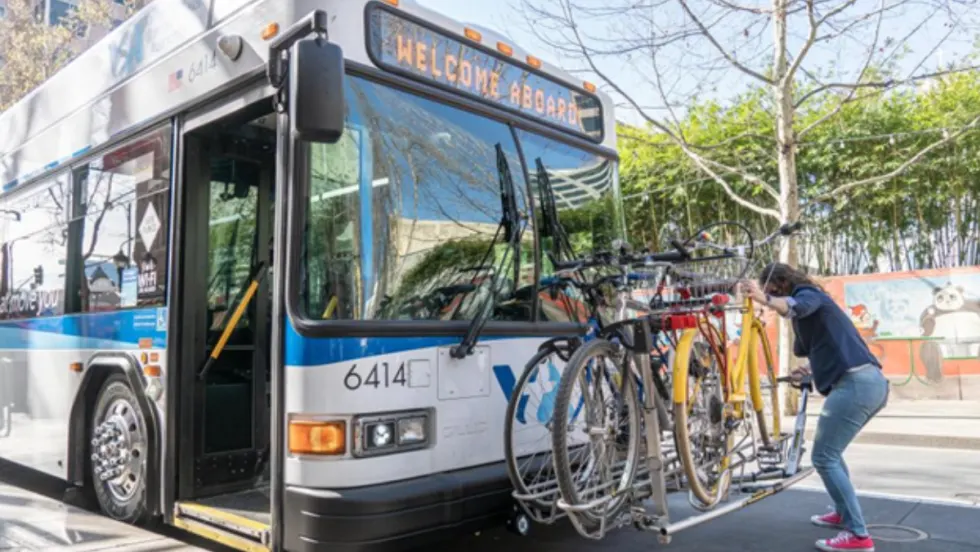
What Multimodal Data Can Tell Transit Agencies About Rider Demand
See how bike-on-bus data is giving transit agencies new insight into rider demand, capacity constraints, and gaps in first- and last-mile connections.
Read More →
From Hardware to Digital Partner: Luminator Charts Its Next Chapter
CEO Magnus Friberg discusses Luminator’s shift toward becoming a digital partner, the growing importance of software and interoperability, and how AI can help agencies improve operations and passenger experience.
Read More →
Biz Briefs: Alstom Lands Canadian Contract, LYT to Supply California TSP, and More
In METRO's latest installment, we take a look at recent news from Complete Coach Works, Beep, FlixBus, and more partnerships making headlines across the transportation sector.
Read More →
CharterUP’s Armir Harris on Technology, AI, and the Future of Group Mobility
In a recent episode of METROspectives, CharterUP Founder/CEO Armir Harris discussed the company’s evolution from an online charter bus marketplace into a technology platform supporting public- and private-sector mobility and much more.
Read More →
Jacksonville’s NAVI Project Charts a New Course for Autonomous Public Transportation
Through its NAVI program, JTA is showing how autonomous vehicles, intelligent infrastructure, and coordinated operations can work together to deliver everyday public transportation.
Read More →
Biz Briefs: Luminator Marks Milestone and More
From manufacturers and suppliers to transit agencies and motorcoach operators, these updates offer a snapshot of the projects, partnerships and business moves driving the industry forward.
Read More →
New Tricks for Old Bureaucracies: Joshua Schank on Making Transit Innovation Stick
Former LA Metro Chief Innovation Officer Joshua Schank discusses why good ideas aren't enough, how transit agencies can overcome resistance to change, and why today's challenges demand more innovation.
Read More →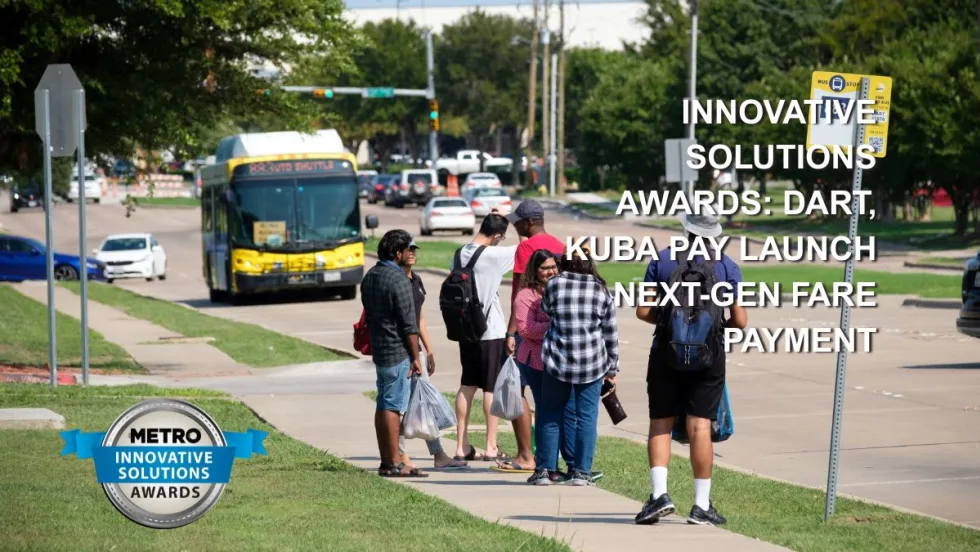
How DART's GoPass Is Redefining Regional Mobility
Serving 14 transit agencies, GoPass simplifies multimodal travel by allowing riders to plan, pay for, and manage an entire trip through one app.
Read More →