



5 key ingredients to a new bus operator training program
During the course of my presentations to large groups, I have come to believe that they are some of the most exciting and inspiring events for transferring critical information regarding bus operator training and safety. Large group presentations are an excellent time to unveil new training concepts and strategies. There is a distinct feel and energy to the room that cannot be duplicated in any other setting.

Goodnight, Irene — Irene, Goodnight!
I sincerely hope that any inconveniences suffered by those exposed to Irene were not unbearable and injuries, if any, were minimal. Condolences are in order to those who may have lost a friend or family member. I would like to commend those transit agencies that worked with their respective elected officials in making the decision to keep their bus and rail equipment "in the house." Although a complete shutdown of service may have been a first for some agencies, I'm sure their actions may have prevented even more injuries from occurring.
On another note, during the course of my presentations to large groups, I have come to believe that they are some of the most exciting and inspiring events for transferring critical information regarding bus operator training and safety. Large group presentations are an excellent time to unveil new training concepts and strategies. There is a distinct feel and energy to the room that cannot be duplicated in any other setting.
I will have the distinct honor of conducting a presentation at BusCon 2011 at the Navy Pier in Chicago, Sept. 12 to 14. My presentation will outline how to infuse new operators with a solid core curriculum in under 13 hours, at a time when some agencies might be devoting 40-plus hours to this training. This presentation defines a training process that starts — and stays — on the bus until students are able to demonstrate operational proficiency.
My presentation focuses on standardizing curriculum with five proven specific criteria listed below to increase an agency's efficiency.
Standardized Criterion-Based Curriculum-To predict the safety performance of student bus operators after training.
Supplemental "Training Tool" Driving Simulator - To expose the student in a controlled environment where neither the public nor equipment is at risk.
An Effective Train the Trainer Program - To ensure a smooth transfer from the training bus instructor to the depot "route familiarization" operator.
Corrective Action/Refresher Solutions - Fixing the problem and attacking known risks.
Post-Training Programs- Ensuring a "Hire to Retire" philosophy.
The lack of a standardized curriculum and a set time limit makes it impossible to determine whether the identical protocols and techniques being taught to all students and whether those students are learning the material.
If you are considering attending BusCon 2011, please stop by to say hello and introduce yourself as a reader of this blog and consider remaining for the presentation.
At your agency, what does your "ingredient" list contain? What can you add to my "Five?"
In case you missed it...
Read our METRO blog, "OCTA CEO: Getting America back to work," here.
More Blog Posts
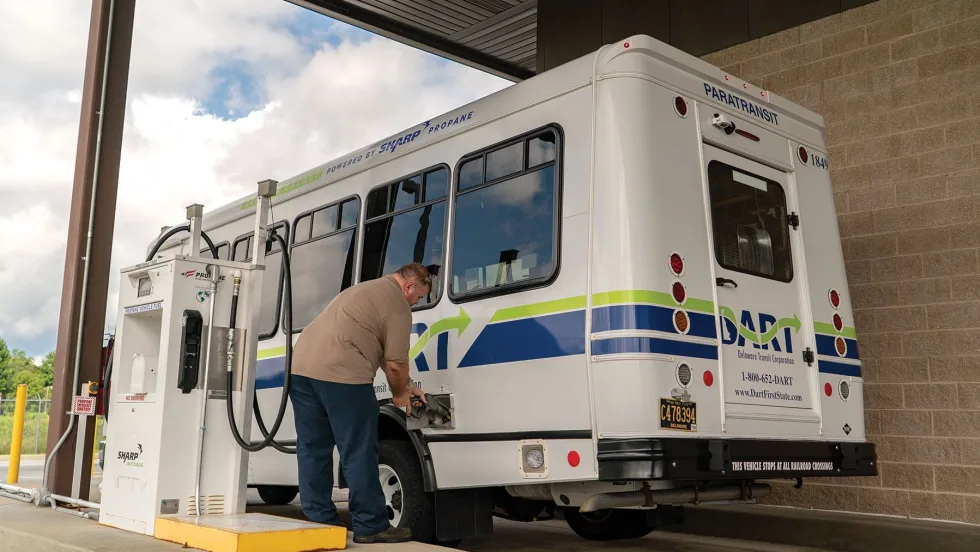
Building a Winning FTA Grant Proposal: Why Propane Autogas is the Pragmatic Choice for Fleet Resilience
With $610 million available through the FY 2026 Buses and Bus Facilities Competitive Program and the Low or No Emission Grant Program, agencies must build a compelling case before the September 21 deadline that balances environmental compliance with operational feasibility.
Read More →
Velo-city Conference 2026: Latest Trends in Cycling as Part of Urban Mobility
The global cycling conference highlighted how cities are integrating bicycles into multimodal transportation networks, expanding cycle tourism and reshaping urban mobility.
Read More →
Kindness Isn’t Soft...It’s Strategic.
Mike Bismeyer — often known as “The Kindness Guy” — has spent more than 17 years in public transit and mobility, serving in industry leadership roles, speaking across North America, and advocating for stronger workplace cultures. But his message doesn’t come from theory. It comes from lived experience.
Read More →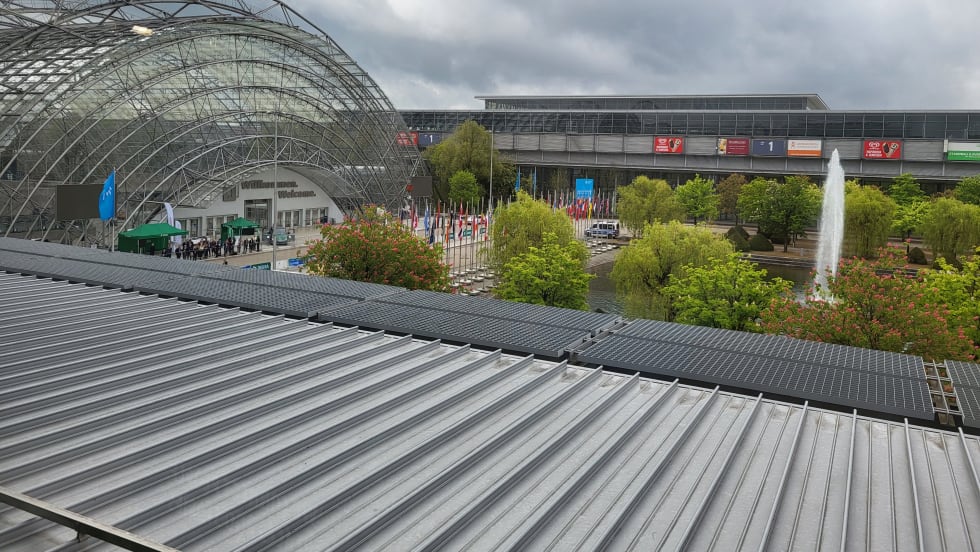
Inside ITF 2026: Transport Reacts to A Challenging World
Transport leaders from around the world gathered in Leipzig, Germany, for the 2026 International Transport Forum to discuss resilience, climate impacts, supply chains and the future of sustainable mobility.
Read More →
Every Ride Tells a Story — But You’re Not Just Selling the Ride
You’re selling the moment, the meaning, and the emotion behind it.
Read More →
How Digital Signage is Reshaping the Traveler Experience at Transportation Hubs
What was once a landscape of static signs has evolved into a responsive, immersive environment powered by real-time visual communication.
Read More →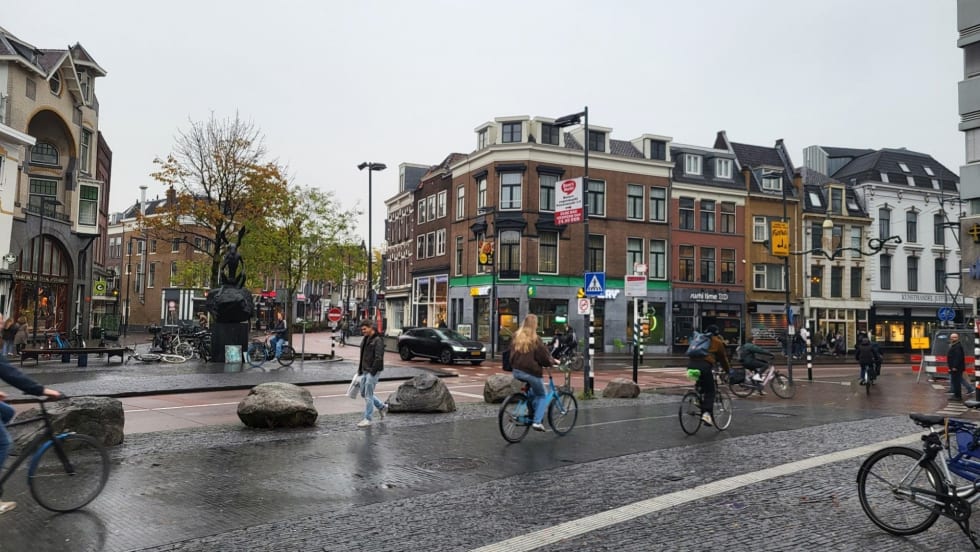
Latest Trends in Urban Mobility from Polis Conference 2025
Polis comprises cities and regions, as well as corporate partners, from across Europe, promoting the development and implementation of sustainable mobility. This year’s event had over a thousand attendees across various policy forums and an exhibition.
Read More →
Why Transit Leaders Require Better Tools for Operational Clarity In Today’s Tech-Fragmented Environment
Across North America and beyond, transit agency officials are contending with a perfect storm of operational headaches and strategic challenges that hamper daily service and long-term progress.
Read More →
The Powerless Brokers: Why California Can’t Build Transit
It is no secret that transit in the U.S. is slow and expensive to build.
Read More →
Why Transport Sustainability Should Focus on People Instead of Cars
Simply incentivizing electrification is not enough to make a meaningful impact; we must shift our focus toward prioritizing public transportation and infrastructure.
Read More →