



Apple Transportation Program Stuck in Past
For years, Steve Jobs and company seem to have been our reliable guides to new technology and a better tomorrow. However, Apple’s decision to build a mammoth new headquarters in Cupertino, Calif. – miles from public transportation and adequate housing – amounts to a corporate denunciation of sustainability.

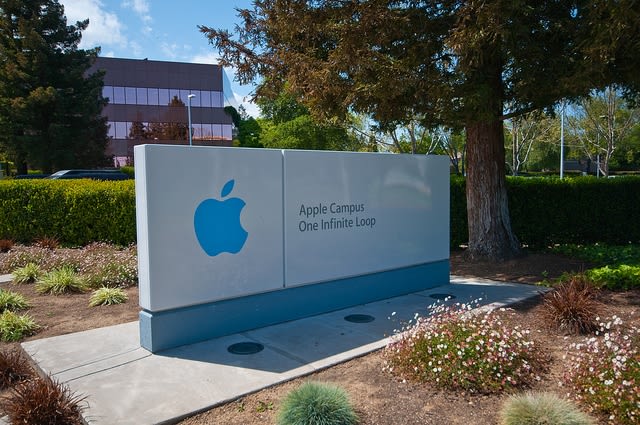
Hector Garcia photo via Flickr -Creative Commons
(This article was written by Mobility Lab Director Tom Fairchild.)
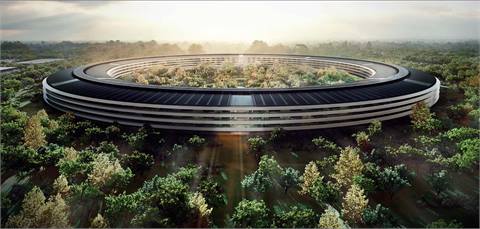
Rendering via City of Cupertino
As an avid iPhone user, I have bought into the sense that Apple could literally peer into the future and deliver me technology I never realized I would so desperately need.
For years, Steve Jobs and company seem to have been our reliable guides to a better tomorrow. For new technology, Apple’s vision towards the future seems nearly flawless. But for corporate responsibility? Well, that’s a different story.
Apple’s decision to build a mammoth new headquarters in Cupertino, Calif. — miles from public transportation and adequate housing — amounts to a corporate denunciation of sustainability and a giant corporate shrug to Mother Earth.
Leadership for the tech giant maintains that the new campus will offer "a serene environment reflecting Apple's values of innovation, ease of use and beauty." However, the simple facts show that many of Apple’s 13,000 employees will now be commuting to an isolated location 45 miles south of San Francisco.
This reality seems a world apart from Apple’s corporate communications, which state:
“Our commute programs reduce traffic, smog, and GHG emissions by providing incentives for biking, using public transportation and reducing the use of single-occupancy vehicles.”
How exactly is this possible when the new headquarters is being built on a location without any existing public transportation options?
It does sound nice that Apple is funding a $35 million transportation demand management (TDM) program encouraging employees to use corporate shuttles and carpools. However, even with these efforts in place, Apple predicts at least 9,000 employees will drive alone to the new headquarters — resulting in a huge increase in emissions and clogged roadways.
RELATED:(Video) Life at the Googleplex
Although TDM can mitigate the worst outcomes, even the best program cannot make up for a disastrous location. It’s commendable that Apple has a TDM program at all and fits their vision since TDM is designed to be forward thinking. But having a TDM at this facility is like Exxon having a program to wipe down baby seals after a spill.
Apple would have done well to have followed the White House directive that establishes:
“an integrated strategy toward sustainability in the federal government, including efforts to operate high performance sustainable buildings in sustainable locations and to strengthen the vitality and livability of the communities for federal agencies.”
That Executive Order further directs agencies to:
“advance regional and local integrated planning by ... participating in regional transportation planning and recognizing existing community transportation infrastructure; ensuring that planning for new federal facilities or new leases includes consideration of sites that are pedestrian friendly, near existing employment centers, and accessible to public transit, and; emphasizes existing central cities and (rural) town centers."
Soon the Federal Bureau of Investigation (FBI) will select a site for its new headquarters in the Washington, D.C. region. The selection is narrowing to two locations that are both adjacent to Metrorail stations. Whether the FBI will beat Apple’s drive-alone rate to its new campus is yet to be seen. Nonetheless, by locating adjacent to existing transportation infrastructure, the FBI will make a statement about its desire to create a sustainable work environment.
Successful TDM programs around the world make great contributions by encouraging better use of sustainable transportation options, such as walking, biking, public transportation, carpooling and vanpooling. Regrettably, even with a best-case TDM program for shifting employee commuting patterns, Apple’s isolated location will result in a commuting nightmare for its employees with consequences for the entire San Francisco Bay Area.
In case you missed it...
Read our METRO blog, "What If We Sold Transit Fares Like Cell Phone Minutes?"
More Blog Posts
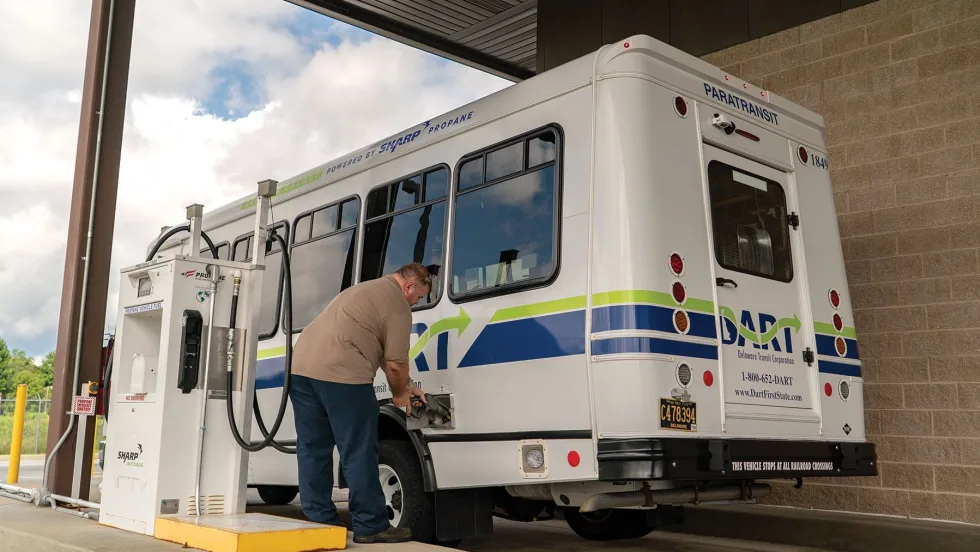
Building a Winning FTA Grant Proposal: Why Propane Autogas is the Pragmatic Choice for Fleet Resilience
With $610 million available through the FY 2026 Buses and Bus Facilities Competitive Program and the Low or No Emission Grant Program, agencies must build a compelling case before the September 21 deadline that balances environmental compliance with operational feasibility.
Read More →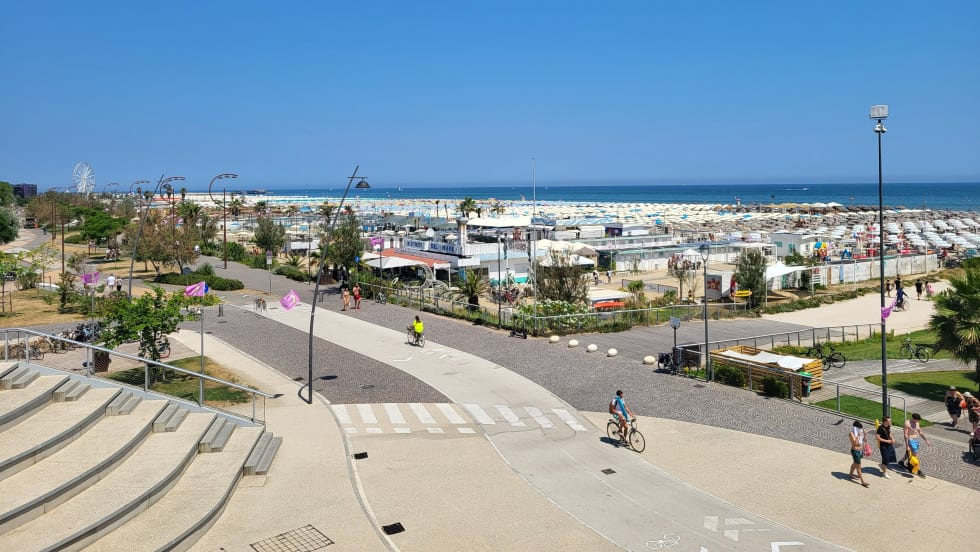
Velo-city Conference 2026: Latest Trends in Cycling as Part of Urban Mobility
The global cycling conference highlighted how cities are integrating bicycles into multimodal transportation networks, expanding cycle tourism and reshaping urban mobility.
Read More →
Kindness Isn’t Soft...It’s Strategic.
Mike Bismeyer — often known as “The Kindness Guy” — has spent more than 17 years in public transit and mobility, serving in industry leadership roles, speaking across North America, and advocating for stronger workplace cultures. But his message doesn’t come from theory. It comes from lived experience.
Read More →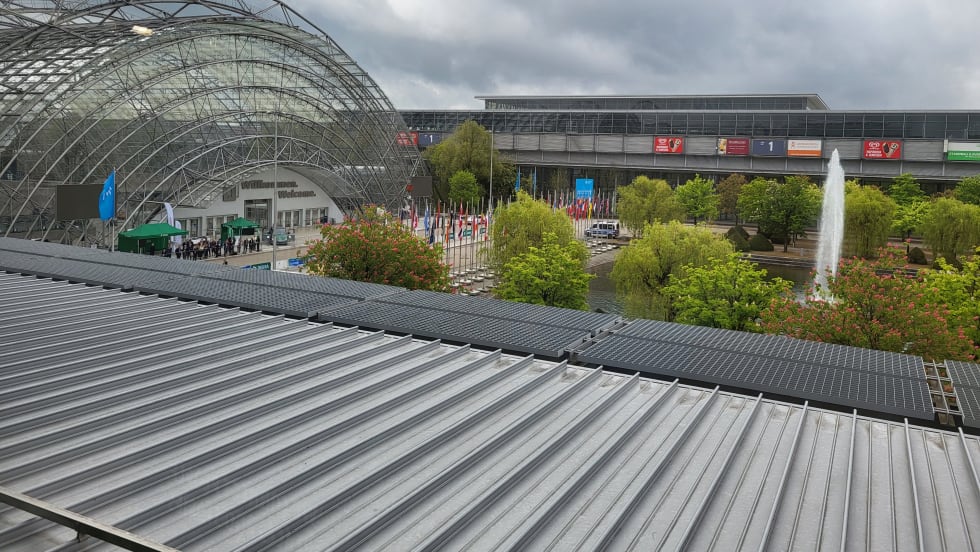
Inside ITF 2026: Transport Reacts to A Challenging World
Transport leaders from around the world gathered in Leipzig, Germany, for the 2026 International Transport Forum to discuss resilience, climate impacts, supply chains and the future of sustainable mobility.
Read More →
Every Ride Tells a Story — But You’re Not Just Selling the Ride
You’re selling the moment, the meaning, and the emotion behind it.
Read More →
How Digital Signage is Reshaping the Traveler Experience at Transportation Hubs
What was once a landscape of static signs has evolved into a responsive, immersive environment powered by real-time visual communication.
Read More →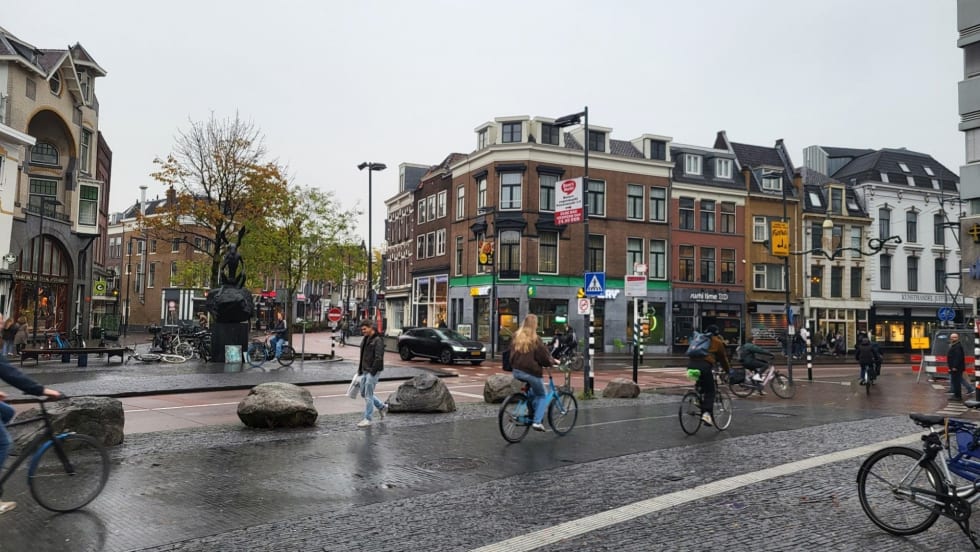
Latest Trends in Urban Mobility from Polis Conference 2025
Polis comprises cities and regions, as well as corporate partners, from across Europe, promoting the development and implementation of sustainable mobility. This year’s event had over a thousand attendees across various policy forums and an exhibition.
Read More →
Why Transit Leaders Require Better Tools for Operational Clarity In Today’s Tech-Fragmented Environment
Across North America and beyond, transit agency officials are contending with a perfect storm of operational headaches and strategic challenges that hamper daily service and long-term progress.
Read More →
The Powerless Brokers: Why California Can’t Build Transit
It is no secret that transit in the U.S. is slow and expensive to build.
Read More →
Why Transport Sustainability Should Focus on People Instead of Cars
Simply incentivizing electrification is not enough to make a meaningful impact; we must shift our focus toward prioritizing public transportation and infrastructure.
Read More →