



Hide-and-seek behind bus mirrors and A-pillars
Bus operators should never drive solely for the moment, but also for what's ahead in their future. As professionals, they are responsible for conducting a SAFE turn, consisting of a safe approach, entry and exit of an intersection.

Bus operators should never drive solely for the moment, but also for what's ahead in their future. As professionals, they are responsible for conducting a SAFE turn, consisting of a safe approach, entry and exit of an intersection.
Set Up
Actual
Follow Through
Eliminating the possibility of being overtaken on the right side
Larger-sized bus mirrors adjacent to the A-Pillar may cause objects/pedestrians to be temporarily obstructed. I say temporarily obstructed rather than a blind spot because the object/pedestrian can be seen by the naked eye in the prep work that needs to be done before the actual turn. It is the operator's responsibility to ensure that no object/pedestrian becomes hidden behind a mirror or an A-Pillar when turning. An object/pedestrian would be considered in a blind spot if they were not visible to the naked eye or in the equipment provided (mirrors).
Setting Up the turn should begin in the middle third of the block by taking a mental snapshot of the approaching intersection before reaching the intersection. Possible hazards, turn type and what is around the corner that may cause an adjustment to the actual turn must be noted beforethe turn is attempted. Turns should be first made in the mind of the operator before the actual turn is made with the bus.
The Actual turn, in my opinion, should consist of push-pull steering to match the walking speed of the bus and by physically moving around the mirror and A-Pillar in a continuous scan to reveal the temporarily obstructed object/pedestrian. Hand-over-hand steering is more associated with steering a car and its smaller steering wheel.
With the convex mirror dangerously replacing the role of the flat (real-view) mirror, operators are getting too comfortable and conduct their turns without any forward or side body movement to assist them in exposing those temporary obstructions around the mirror and A-Pillar. This is where that mental snapshot of the intersection before arriving there is critical. The temporary obstruction had to be somewhere in sight before they disappeared behind a so-called blind spot!
The Follow Through and where to position the bus follows next as it completes the turn, followed by placing the bus in a position to Eliminate being overtaken on the vulnerable right side.
Courtesy Stops
I believe that a policy should be in place that would only allow a courtesy stop to be permitted in the first third of the block. This would give the operator making a left turn at the approaching corner:
Sufficient time for a safe lane change in the middle third of the block.
Sufficient time to straighten the bus and not be angled at the corner when setting up the turn in the final third of the block.
L turns (square) tend to be the safest type of turn to make. The S (hook) turn should be the exception rather than the norm; however, the operator should have other types of turning options available for the different clearance situations they may encounter.
Trainers, teach your operators to:
Lose the jump-start me-first attitude when turning against oncoming traffic and pedestrians.
Accelerate only when beginning the turn, while covering the brake and moving in the seat to scan left, center and right. When turning in bus models where steady acceleration is required, it should be controlled.
Accelerate when straight after completing the turn and confirming pivot area clearance.
Raising the white flag and losing some battles on the road will enable operators to win the war and go home collision-free!
In case you missed it...
Read our METRO blog, "Lack of transportation is hurting our health" here.
More Blog Posts
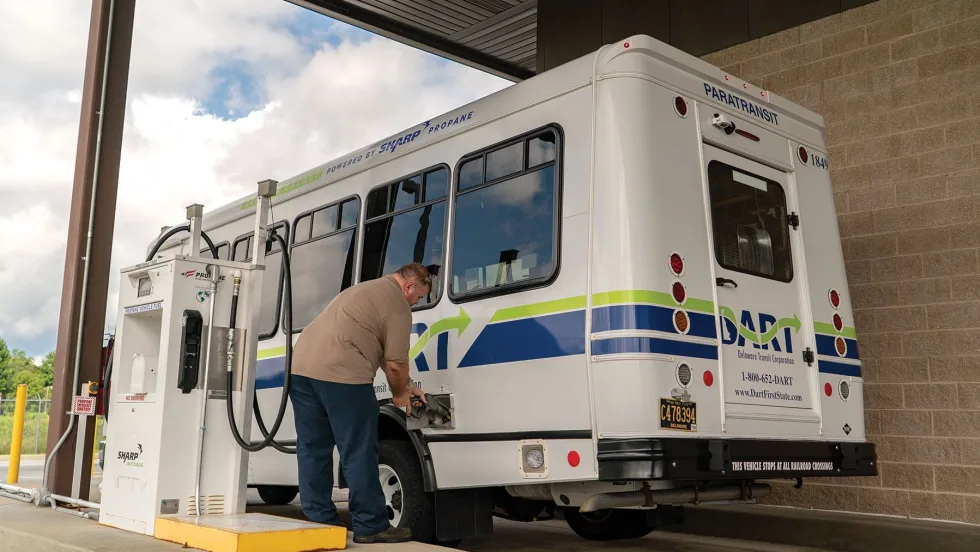
Building a Winning FTA Grant Proposal: Why Propane Autogas is the Pragmatic Choice for Fleet Resilience
With $610 million available through the FY 2026 Buses and Bus Facilities Competitive Program and the Low or No Emission Grant Program, agencies must build a compelling case before the September 21 deadline that balances environmental compliance with operational feasibility.
Read More →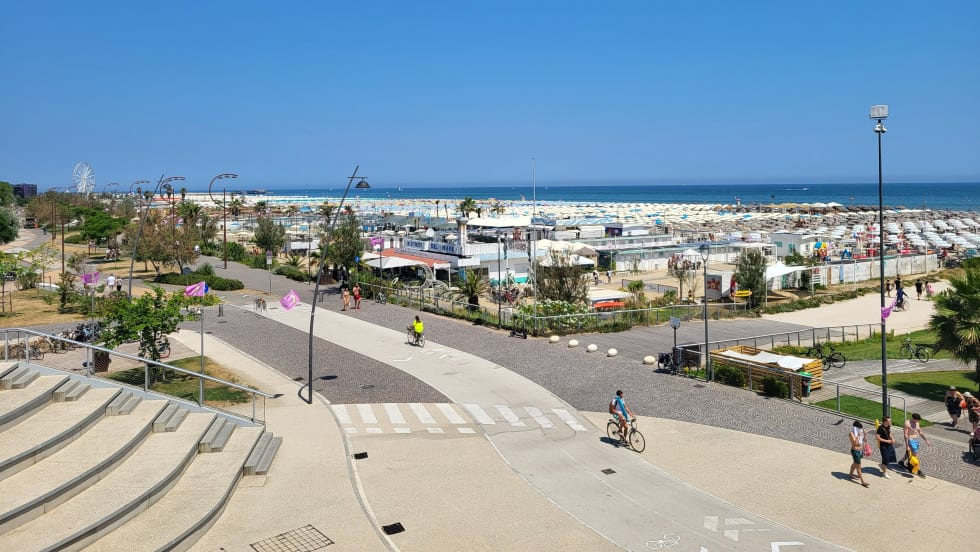
Velo-city Conference 2026: Latest Trends in Cycling as Part of Urban Mobility
The global cycling conference highlighted how cities are integrating bicycles into multimodal transportation networks, expanding cycle tourism and reshaping urban mobility.
Read More →
Kindness Isn’t Soft...It’s Strategic.
Mike Bismeyer — often known as “The Kindness Guy” — has spent more than 17 years in public transit and mobility, serving in industry leadership roles, speaking across North America, and advocating for stronger workplace cultures. But his message doesn’t come from theory. It comes from lived experience.
Read More →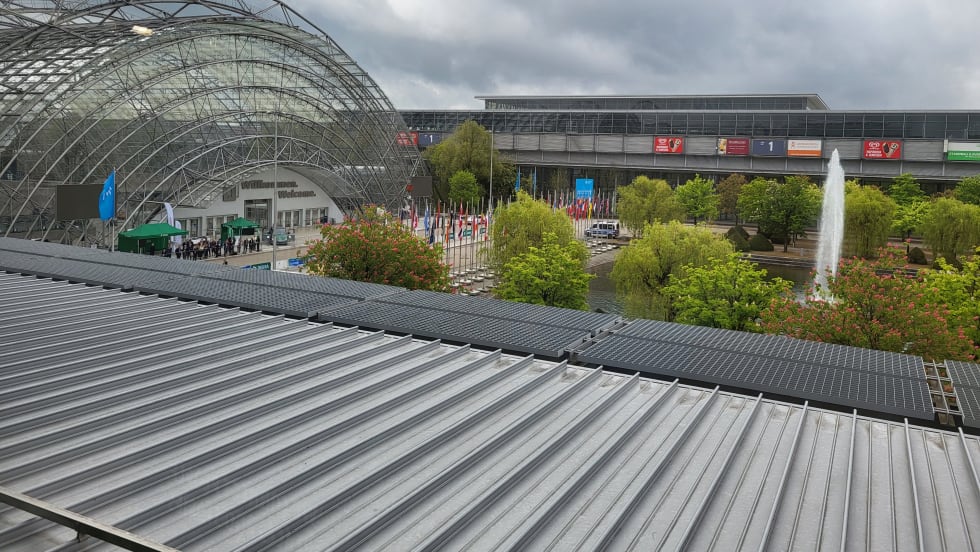
Inside ITF 2026: Transport Reacts to A Challenging World
Transport leaders from around the world gathered in Leipzig, Germany, for the 2026 International Transport Forum to discuss resilience, climate impacts, supply chains and the future of sustainable mobility.
Read More →
Every Ride Tells a Story — But You’re Not Just Selling the Ride
You’re selling the moment, the meaning, and the emotion behind it.
Read More →
How Digital Signage is Reshaping the Traveler Experience at Transportation Hubs
What was once a landscape of static signs has evolved into a responsive, immersive environment powered by real-time visual communication.
Read More →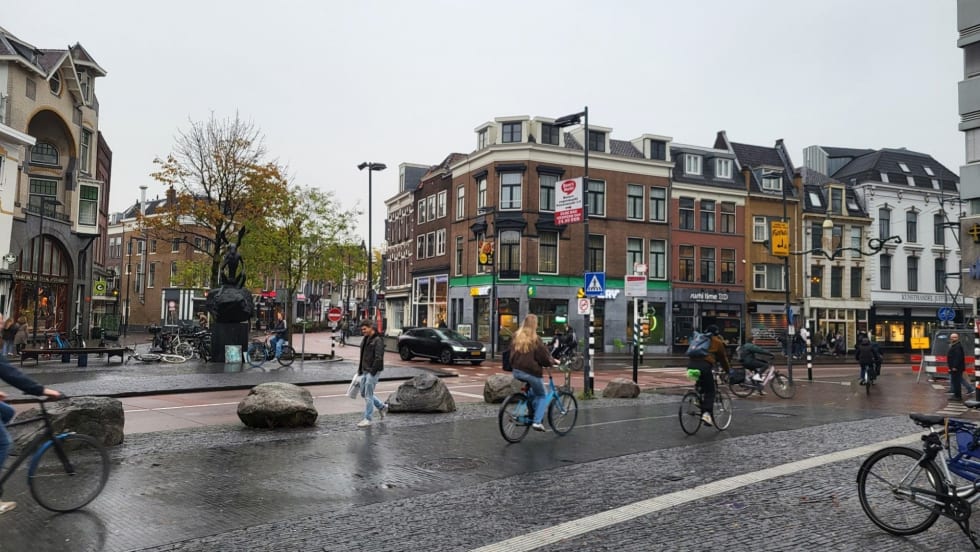
Latest Trends in Urban Mobility from Polis Conference 2025
Polis comprises cities and regions, as well as corporate partners, from across Europe, promoting the development and implementation of sustainable mobility. This year’s event had over a thousand attendees across various policy forums and an exhibition.
Read More →
Why Transit Leaders Require Better Tools for Operational Clarity In Today’s Tech-Fragmented Environment
Across North America and beyond, transit agency officials are contending with a perfect storm of operational headaches and strategic challenges that hamper daily service and long-term progress.
Read More →
The Powerless Brokers: Why California Can’t Build Transit
It is no secret that transit in the U.S. is slow and expensive to build.
Read More →
Why Transport Sustainability Should Focus on People Instead of Cars
Simply incentivizing electrification is not enough to make a meaningful impact; we must shift our focus toward prioritizing public transportation and infrastructure.
Read More →