




RELATED: Customer satisfaction will always drive mobility choices
How to stay nimble during times of high-speed change
How can transit organizations swiftly adopt service changes that customers are seeking while also delivering value to taxpayers?
July 23, 2019
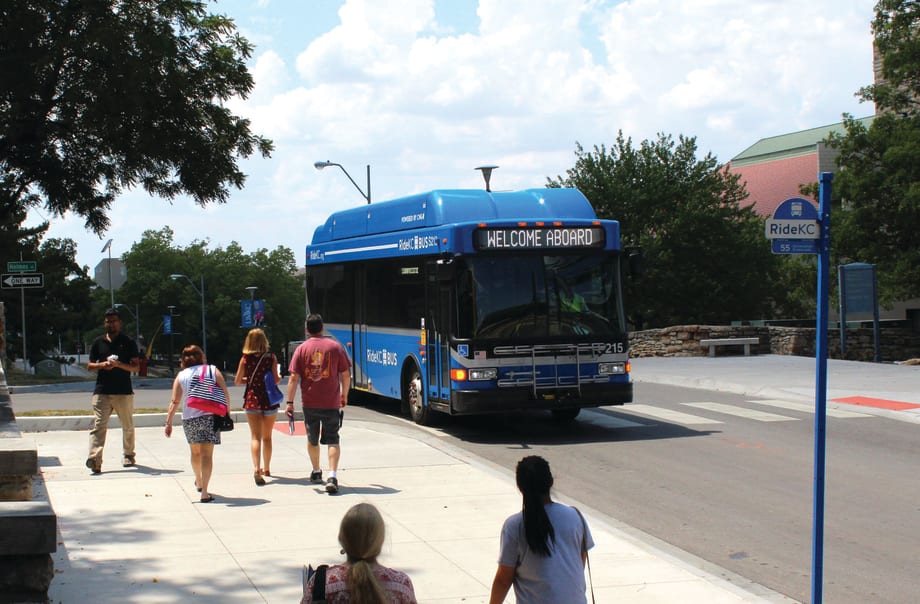
KCATA’s one-year plan is highly structured and actionable, yet fluid enough to enable leadership to pivot quickly to a new opportunity should one arise.
KCATA
3 min to read
KCATA’s one-year plan is highly structured and actionable, yet fluid enough to enable leadership to pivot quickly to a new opportunity should one arise.
KCATA
New mobility, Mobility as a Service, transportation demand management, mobility management — no matter what you might be calling it, the concepts around emerging mobility demand that transportation leaders embrace a management structure that allows for fast service adaptation. How can transit organizations swiftly adopt service changes that customers are seeking while also delivering value to taxpayers?
Management teams with strong strategic plans in place can confidently arrive to decisions when fast pivots for unanticipated events and emerging opportunities (read new mobility) are required.
Strategic planning
Effective strategic planning can involve short- and long-term visions. A long-term strategy envisions the organization’s three- or five-year horizon. For the transportation organizations, here is where a broad future perspective is outlined — a future that encompasses emerging mobility technology and shifts in customer expectations that will require changes in service delivery and the customer experience. With this vision in place, then a short-term strategy can be developed to actively guide the organization over a fiscal calendar with three essential plan elements:
1. A clear definition of success so everyone within the organization, including board members, and key stakeholders outside the organization all know what the organization is striving to achieve. This takes the form of measurable outcomes.
2. A comprehensive work plan comprised of clearly plotted tactics that will engage workforce teams over the course of the year and that are regularly reported on.
3. A quarterly scorecard that keeps everyone apprised of how well the organization is performing in its march to success.
Highly structured, actionable plan
Decisions by Kansas City Area Transportation Authority (KCATA) leadership to expand the system into a comprehensive regional transportation network involve this long and short-term approach. The authority’s long-term strategy to be its region’s premier mobility provider gives the workforce a pin on the map to strive toward. That goal, in turn, is supported by one-year strategic plans, which outline tangible projects that move the organization forward. An aligned scorecard is integrated to keep everyone informed of performance and progress.
KCATA’s one-year plan is highly structured and actionable, yet fluid enough to enable KCATA leadership to pivot quickly to a new opportunity should one arise. For example, in the event that leadership is called upon to consider a fast move that is not identified in the one-year strategic plan, they have the structure provided by the long-term vision and measurable short-term outcomes to help guide critical decision-making.
If the new opportunity aligns with KCATA’s definition for success, the authority’s one-year strategic plan could easily absorb this new project or program at no peril to the rest of the plan. The strategic plan’s tactical work plan and its performance scorecard continue to focus and drive the organization.
The way I see it, no organization can thrive without an actionable strategic plan. With the industry’s current state of flux, strategic planning is more important than ever.
Mark R. Aesch (@MarkAesch) is CEO of TransPro Consulting.
Subscribe to Our Newsletter
More Blog Posts
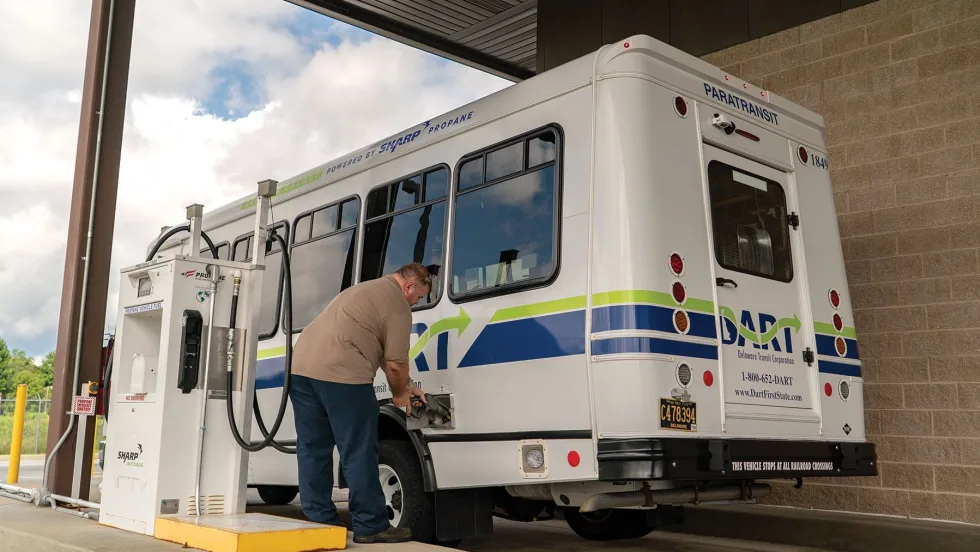
Building a Winning FTA Grant Proposal: Why Propane Autogas is the Pragmatic Choice for Fleet Resilience
With $610 million available through the FY 2026 Buses and Bus Facilities Competitive Program and the Low or No Emission Grant Program, agencies must build a compelling case before the September 21 deadline that balances environmental compliance with operational feasibility.
Read More →
Velo-city Conference 2026: Latest Trends in Cycling as Part of Urban Mobility
The global cycling conference highlighted how cities are integrating bicycles into multimodal transportation networks, expanding cycle tourism and reshaping urban mobility.
Read More →
Kindness Isn’t Soft...It’s Strategic.
Mike Bismeyer — often known as “The Kindness Guy” — has spent more than 17 years in public transit and mobility, serving in industry leadership roles, speaking across North America, and advocating for stronger workplace cultures. But his message doesn’t come from theory. It comes from lived experience.
Read More →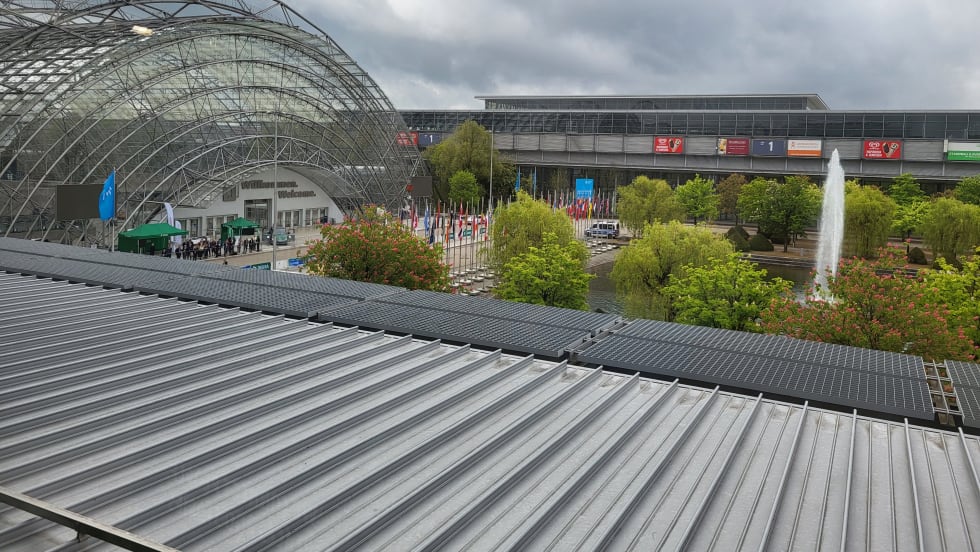
Inside ITF 2026: Transport Reacts to A Challenging World
Transport leaders from around the world gathered in Leipzig, Germany, for the 2026 International Transport Forum to discuss resilience, climate impacts, supply chains and the future of sustainable mobility.
Read More →
Every Ride Tells a Story — But You’re Not Just Selling the Ride
You’re selling the moment, the meaning, and the emotion behind it.
Read More →
How Digital Signage is Reshaping the Traveler Experience at Transportation Hubs
What was once a landscape of static signs has evolved into a responsive, immersive environment powered by real-time visual communication.
Read More →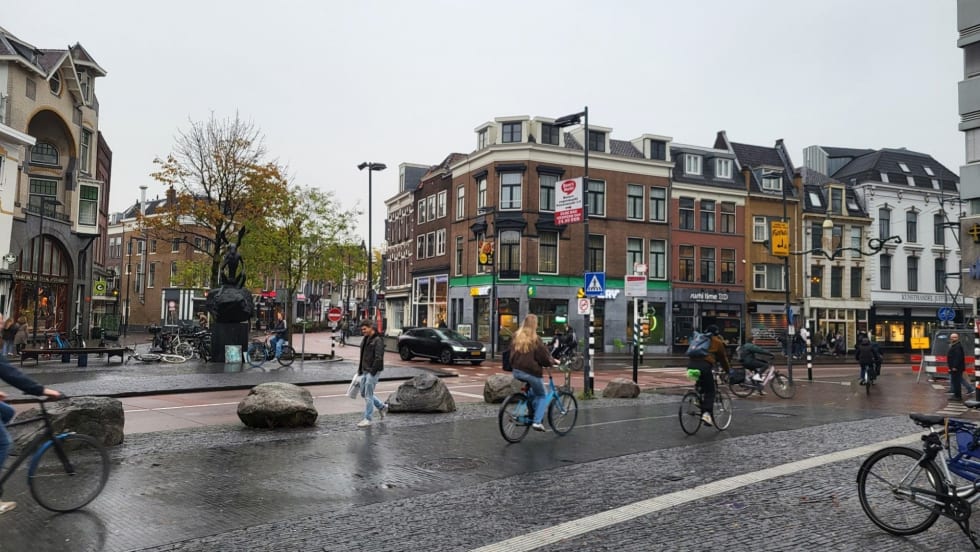
Latest Trends in Urban Mobility from Polis Conference 2025
Polis comprises cities and regions, as well as corporate partners, from across Europe, promoting the development and implementation of sustainable mobility. This year’s event had over a thousand attendees across various policy forums and an exhibition.
Read More →
Why Transit Leaders Require Better Tools for Operational Clarity In Today’s Tech-Fragmented Environment
Across North America and beyond, transit agency officials are contending with a perfect storm of operational headaches and strategic challenges that hamper daily service and long-term progress.
Read More →
The Powerless Brokers: Why California Can’t Build Transit
It is no secret that transit in the U.S. is slow and expensive to build.
Read More →
Why Transport Sustainability Should Focus on People Instead of Cars
Simply incentivizing electrification is not enough to make a meaningful impact; we must shift our focus toward prioritizing public transportation and infrastructure.
Read More →