



Infrastructure Plan: All Roads Lead to Congress
As President Biden’s American Jobs Plan nears its first votes in Congress, the transit sector waits with bated breath to see what the infrastructure plan will mean for it.

Getty/ThamKC
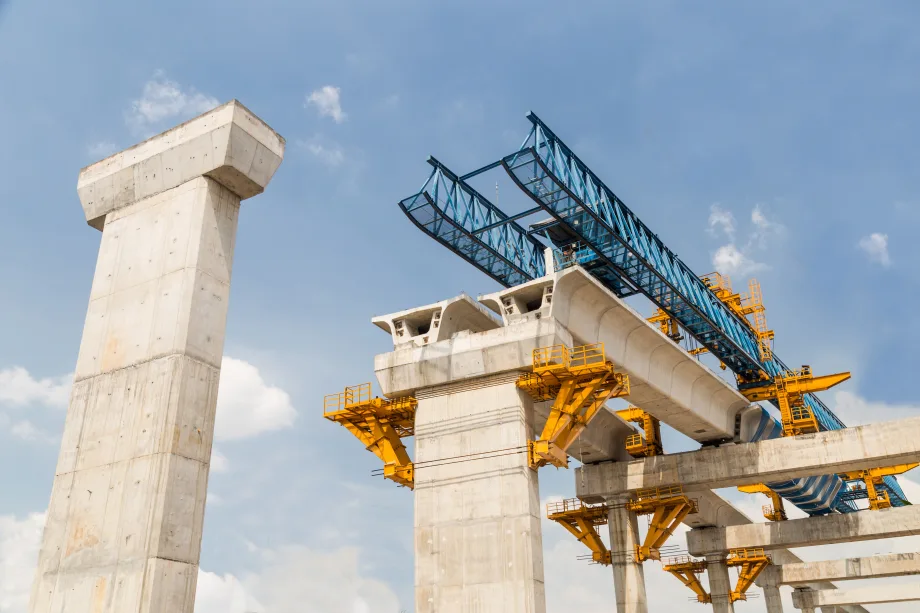
As President Biden’s American Jobs Plan nears its first votes in Congress, the transit sector waits with bated breath to see what the infrastructure plan will mean for it. With figures changing seemingly by the day, present estimates put the dollars designated for public transit projects at approximately $66 billion. It is important to note, however, that of that figure, the vast majority (about 64%, in fact) is to be used on transit maintenance, not new projects. Less than 30% of the total transit investment is anticipated to go to new or expanded transit projects. Presently, approximately 17% of federal transportation dollars go to public transit spending. By some estimates, the infrastructure plan may increase as much as double that percentage. While increased investment is certainly welcomed and appreciated, those in the public transit business know all too well that even this money, spread out over eight years, will still fall woefully short of America’s actual public transit needs. So, what should we be doing?
First, it is important to highlight, both to our elected officials and the general public, the importance of public transit. Public transit has long been known to ease congestion, reduce pollution, and lower our energy consumption — all stated goals of the President’s Plan. In fact, public transit is at the intersection (no pun intended) of the American Jobs Plan. The White House has touted in its “Fact Sheet” that the Plan, while characterized by most as an infrastructure plan, seeks to address many societal issues such as the lack of affordable housing and jobs. Many believe, and those in the public transit sector know, that public transit is a key to addressing many of these issues. For example, transit‐oriented development can provide accessible and affordable housing options along key transit corridors as well as convenient and reliable transportation for workers. Understanding and appreciating the interconnectivity between public transit and these stated societal goals must be stressed too and recognized by those ultimately responsible for making the final funding decisions.
Second, initial federal funding for transportation prioritized “shovel‐ready” projects. Whether the American Jobs Plan will do the same is yet to be seen, but we can certainly expect there to be a race to be first in line for what will still be limited federal transit dollars. Evaluating current transit needs, anticipating future transit needs, and preparing the most important projects for immediate development may be instrumental to successfully obtaining new transit dollars. As previously mentioned, the majority of the transit dollars seem to be earmarked for transit maintenance. What we do not yet know is how “maintenance” will ultimately be defined. Public transit authorities will be well served to prepare both maintenance projects as well as new or expanded projects for submission and consideration.
Finally, it seems clear that even the expanded federal dollars will be insufficient to cover the costs of needed and necessary public transit projects, making alternative and/or supplemental funding sources a must. Most state and local tax sources are already limited or otherwise committed. Many public transit authorities are turning their attention to public‐private partnerships, otherwise known as P3’s, as an alternative funding mechanism. While P3 programs can take different forms, the general idea is that government agencies shift some control and ownership to private companies in exchange for significant amounts of capital from the private sector to pay for needed public projects. P3s typically have a competitive procurement aspect, although many allow for unsolicited proposals. These arrangements are typically controlled by a comprehensive agreement whereby the private entity provides the capital or financing for a project that serves a public purpose and may also include such items as design, construction, upgrading, operating, and/or ownership of the project for some period, and possible revenue splitting. Regardless of the ultimate form of the deal, the option of P3s offers more creativity and opportunity and can vastly expand the universe of viable public transit projects for many communities.
Advocacy, preparedness, and creativity are all attributes with which those in the public transit industry are familiar and practiced. Regardless of its ultimate form, it is clear that public transit stands to gain from the passage of the American Jobs Plan — not just in terms of increased financial investment and opportunity, but also in elevating its importance to fulfilling a wide array of societal needs. The infrastructure plan is a long‐awaited, much needed, and well‐deserved federal commitment to the importance of public transit.
More Blog Posts
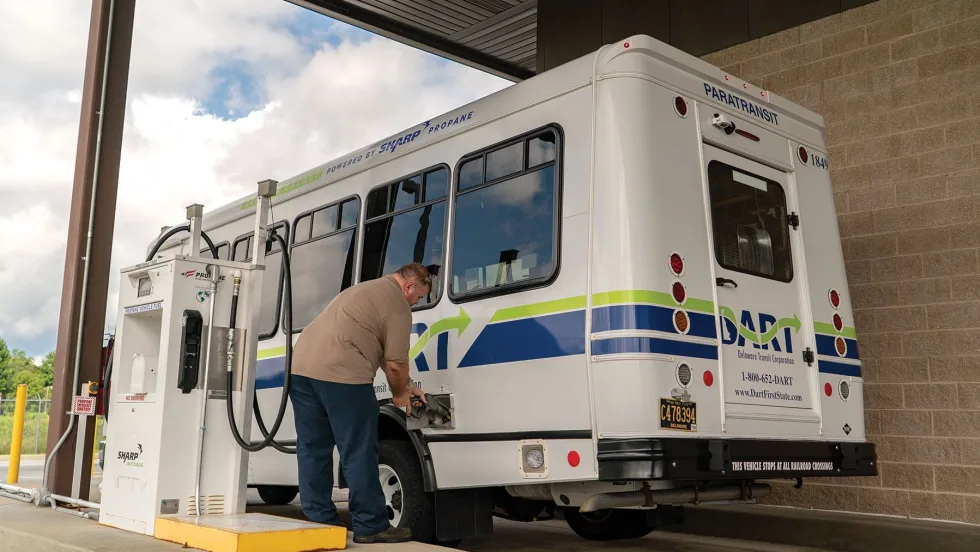
Building a Winning FTA Grant Proposal: Why Propane Autogas is the Pragmatic Choice for Fleet Resilience
With $610 million available through the FY 2026 Buses and Bus Facilities Competitive Program and the Low or No Emission Grant Program, agencies must build a compelling case before the September 21 deadline that balances environmental compliance with operational feasibility.
Read More →
Velo-city Conference 2026: Latest Trends in Cycling as Part of Urban Mobility
The global cycling conference highlighted how cities are integrating bicycles into multimodal transportation networks, expanding cycle tourism and reshaping urban mobility.
Read More →
Kindness Isn’t Soft...It’s Strategic.
Mike Bismeyer — often known as “The Kindness Guy” — has spent more than 17 years in public transit and mobility, serving in industry leadership roles, speaking across North America, and advocating for stronger workplace cultures. But his message doesn’t come from theory. It comes from lived experience.
Read More →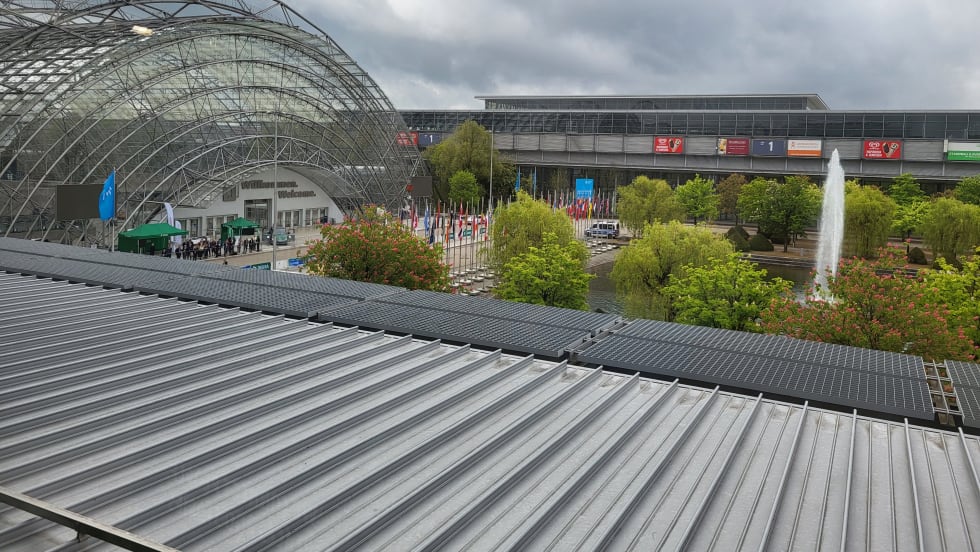
Inside ITF 2026: Transport Reacts to A Challenging World
Transport leaders from around the world gathered in Leipzig, Germany, for the 2026 International Transport Forum to discuss resilience, climate impacts, supply chains and the future of sustainable mobility.
Read More →
Every Ride Tells a Story — But You’re Not Just Selling the Ride
You’re selling the moment, the meaning, and the emotion behind it.
Read More →
How Digital Signage is Reshaping the Traveler Experience at Transportation Hubs
What was once a landscape of static signs has evolved into a responsive, immersive environment powered by real-time visual communication.
Read More →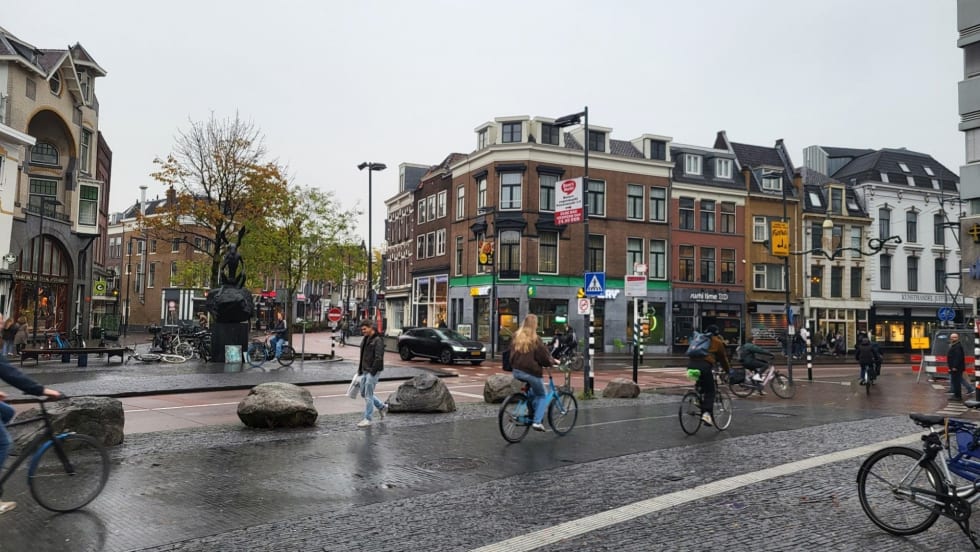
Latest Trends in Urban Mobility from Polis Conference 2025
Polis comprises cities and regions, as well as corporate partners, from across Europe, promoting the development and implementation of sustainable mobility. This year’s event had over a thousand attendees across various policy forums and an exhibition.
Read More →
Why Transit Leaders Require Better Tools for Operational Clarity In Today’s Tech-Fragmented Environment
Across North America and beyond, transit agency officials are contending with a perfect storm of operational headaches and strategic challenges that hamper daily service and long-term progress.
Read More →
The Powerless Brokers: Why California Can’t Build Transit
It is no secret that transit in the U.S. is slow and expensive to build.
Read More →
Why Transport Sustainability Should Focus on People Instead of Cars
Simply incentivizing electrification is not enough to make a meaningful impact; we must shift our focus toward prioritizing public transportation and infrastructure.
Read More →