



Intelligent Transportation Systems Paving Safer Roads To Vision Zero
With more cars on the roads than ever and many contributors to distracted driving — like texting or talking on the phone — it’s no wonder that traffic fatalities continue to be a problem.

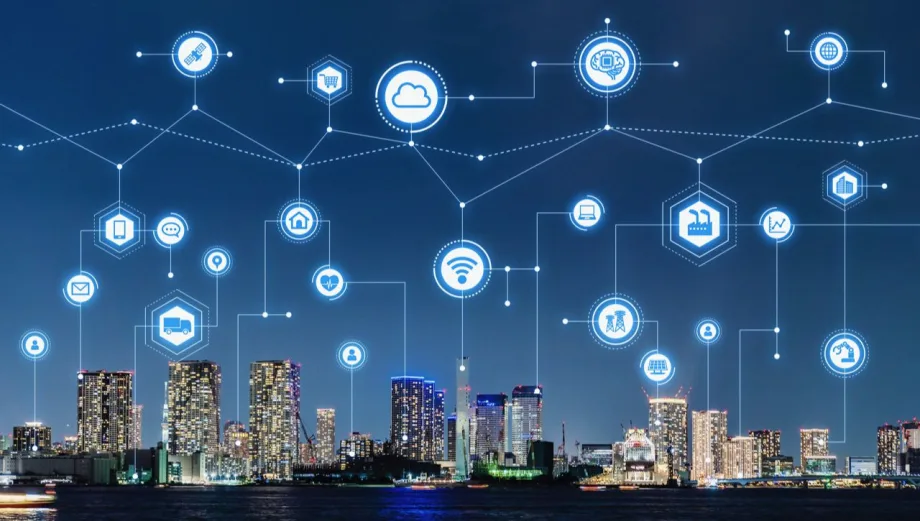
ITS includes a wide range of applications that process and share information to ease congestion, improve traffic management, minimize environmental impact, and increase the benefits of transportation to commercial users and the public in general.
Metamorworks
With more cars on the roads than ever and many contributors to distracted driving — like texting or talking on the phone — it’s no wonder that traffic fatalities continue to be a problem. It would be impossible to build enough new roads to meet the ever-increasing demand, so we must look to other viable options made available through technology in order to make our transportation systems smarter and safer.
Intelligent transportation systems (ITS) are defined as the application of sensing, analysis, control, and communications technologies to ground transportation in order to improve safety, mobility, and efficiency. ITS includes a wide range of applications that process and share information to ease congestion, improve traffic management, minimize environmental impact, and increase the benefits of transportation to commercial users and the public in general.
What is Vision Zero?
Vision Zero, which originated in Sweden in 1997 and made its way to the U.S. in 2000, is a strategy to eliminate all traffic fatalities and severe injuries while increasing safe, healthy, equitable mobility for all. According to a report from the National Highway Traffic Safety Administration, almost 50% of fatal car accidents happen at night, despite the fact that only about 25% of motor vehicle travel takes place during the night hours. Clearly, your chances of being involved in a serious or fatal car accident increase substantially when you are on the road at night.
In states where daylight savings is still in effect, many people find themselves spending more time driving in the dark. Some of the dangers we face on the road at night include shorter days, fatigue, impaired night vision, rush hour, and impaired drivers. In the dark, a driver's ability to see depth, colors, and their periphery may all be impaired, and the glare of oncoming headlights may cause temporary blindness. Reduced visibility and reaction times are especially problematic at higher speeds.
What are some of the key benefits for ITS?
Implementing ITS can reduce congestion by orchestrating stops and delays at intersections based on real-time traffic conditions. Less traffic congestion translates into fewer stops which could, in turn, reduce the number of rear-end accidents. Some of the key drivers include:
Insufficient road development: It is not feasible to build enough new roads to meet the demand of the increasing number of cars, trucks, and mass transit.
Increase safety and efficiency: The use of information, communications, and control technologies help make our transportation system more efficient, secure and safer.
Reduce emissions: According to the U.S. Department of Energy, personal-vehicle idling wastes about three billion gallons of fuel per year — generating around 30 million tons of CO2 annually in the U.S. Idling for more than 10 seconds uses more fuel and produces more emissions that contribute to smog and climate change than stopping and restarting your engine does.
While the statistics are staggering, behind all of the numbers are lives lost and families changed forever due to deaths from traffic accidents. It is estimated that 90% of road fatalities could be reduced with the help of ITS. There is an unprecedented amount of federal grant funding available for intelligent transportation projects, and these investments will make great strides to get our nation one step closer to Vision Zero.
More Blog Posts
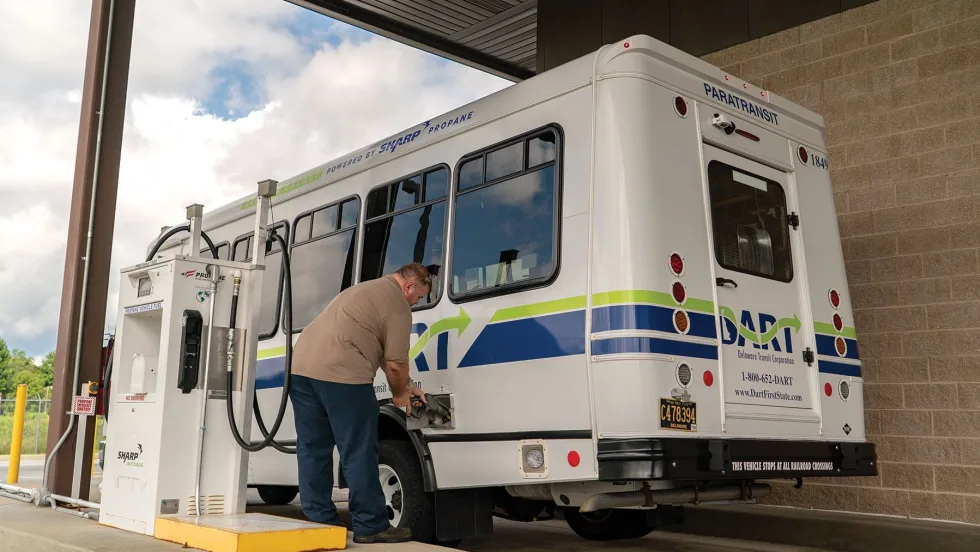
Building a Winning FTA Grant Proposal: Why Propane Autogas is the Pragmatic Choice for Fleet Resilience
With $610 million available through the FY 2026 Buses and Bus Facilities Competitive Program and the Low or No Emission Grant Program, agencies must build a compelling case before the September 21 deadline that balances environmental compliance with operational feasibility.
Read More →
Velo-city Conference 2026: Latest Trends in Cycling as Part of Urban Mobility
The global cycling conference highlighted how cities are integrating bicycles into multimodal transportation networks, expanding cycle tourism and reshaping urban mobility.
Read More →
Kindness Isn’t Soft...It’s Strategic.
Mike Bismeyer — often known as “The Kindness Guy” — has spent more than 17 years in public transit and mobility, serving in industry leadership roles, speaking across North America, and advocating for stronger workplace cultures. But his message doesn’t come from theory. It comes from lived experience.
Read More →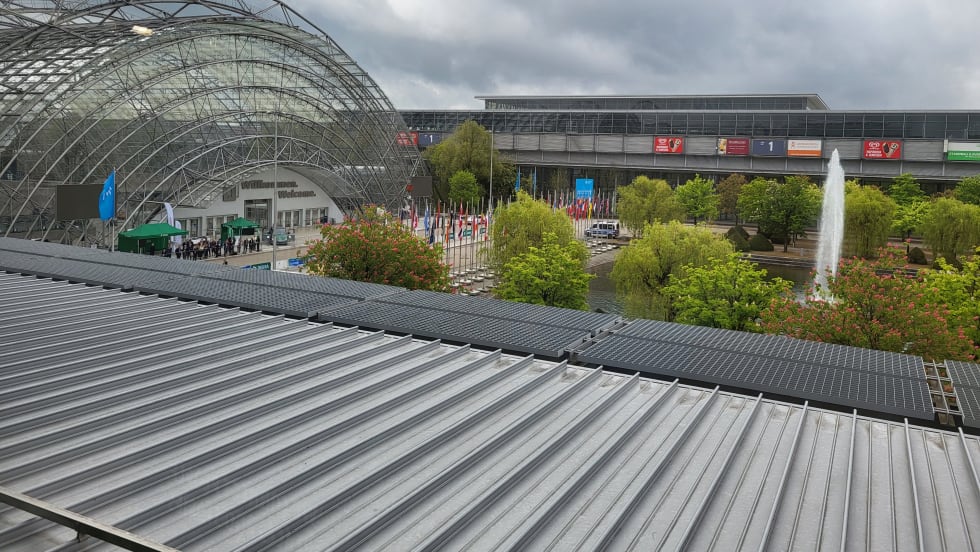
Inside ITF 2026: Transport Reacts to A Challenging World
Transport leaders from around the world gathered in Leipzig, Germany, for the 2026 International Transport Forum to discuss resilience, climate impacts, supply chains and the future of sustainable mobility.
Read More →
Every Ride Tells a Story — But You’re Not Just Selling the Ride
You’re selling the moment, the meaning, and the emotion behind it.
Read More →
How Digital Signage is Reshaping the Traveler Experience at Transportation Hubs
What was once a landscape of static signs has evolved into a responsive, immersive environment powered by real-time visual communication.
Read More →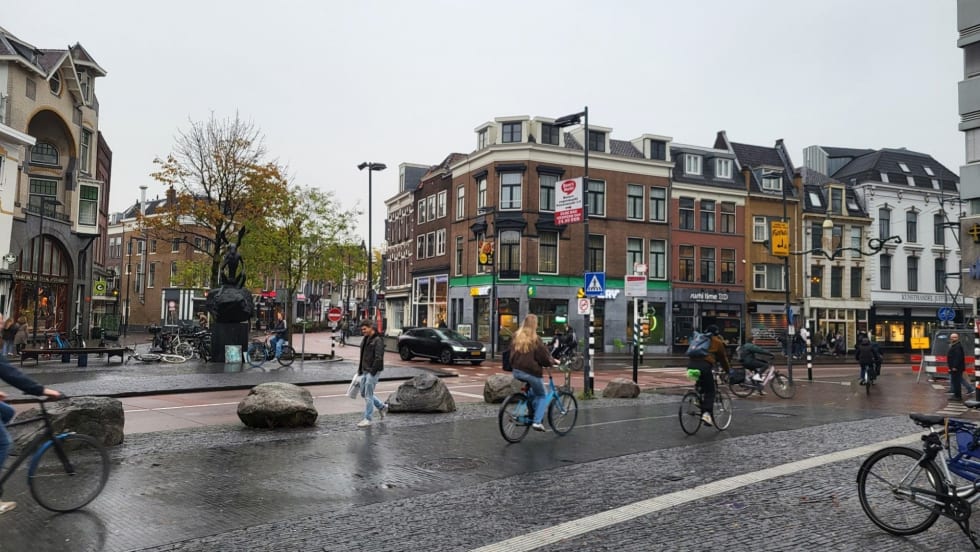
Latest Trends in Urban Mobility from Polis Conference 2025
Polis comprises cities and regions, as well as corporate partners, from across Europe, promoting the development and implementation of sustainable mobility. This year’s event had over a thousand attendees across various policy forums and an exhibition.
Read More →
Why Transit Leaders Require Better Tools for Operational Clarity In Today’s Tech-Fragmented Environment
Across North America and beyond, transit agency officials are contending with a perfect storm of operational headaches and strategic challenges that hamper daily service and long-term progress.
Read More →
The Powerless Brokers: Why California Can’t Build Transit
It is no secret that transit in the U.S. is slow and expensive to build.
Read More →
Why Transport Sustainability Should Focus on People Instead of Cars
Simply incentivizing electrification is not enough to make a meaningful impact; we must shift our focus toward prioritizing public transportation and infrastructure.
Read More →