



OCTA CEO: Speeding up projects, maximizing environmental benefits
Orange County’s environmental community, state and federal wildlife agencies, and OCTA’s Measure M2 program partnered to preserve about 900 acres of land. This effort protects the county’s natural resources while keeping the promise made to voters to implement 13 freeway projects as part of M2, a half-cent sales tax for transportation improvements approved in 2006.
Will a wider freeway mean more room for the arroyo toads? Can an added carpool lane help save the Coastal California Gnatcatchers? Could improving on-ramps and off-ramps lead to the preservation of chaparral and oak woodland communities?
Through a unique partnership between Orange County’s environmental community, state and federal wildlife agencies, and the Orange County Transportation Authority’s (OCTA) Measure M2 (M2) program, the answer is yes.
In the last month, approximately 900 acres have been preserved through OCTA’s Environmental Mitigation Program, which protects the county’s natural resources while adhering to the promise made to voters to implement 13 freeway projects as part of M2, a half-cent sales tax for transportation improvements approved in 2006.
The early acquisitions have been made possible with the OCTA board’s leadership and vision in advancing a suite of the most critical projects before the actual start of the M2 sales tax collection. Advancing these projects along with the Environmental Mitigation Program, enabled OCTA to stimulate the economy with construction-related jobs and acquire mitigation properties at a low point in the real estate market, thereby maximizing the amount of properties that would be acquired.
In accordance to the promise made to Orange County voters, approximately 5 percent of the M2 freeway program revenue — estimated at more than $150 million — is being set aside for habitat preservation and restoration throughout the county.
This collaborative endeavor, supported by more than 30 conservation and community groups, represents a new way of thinking in terms of developing freeway projects and mitigating the environmental impacts of the improvements. Using the traditional model, OCTA would have developed 13 separate plans to offset the biological impacts of each freeway project. While effective, the process is time-consuming, costly and a piecemeal approach that is not conducive to the preservation of wildlife and habitat.
Using a proactive, innovative approach, a master agreement was negotiated and executed between OCTA and state and federal resource agencies to provide higher-value environmental benefits such as habitat protection, wildlife corridors and resource preservation in exchange for streamlined project approvals for the freeway program as a whole.
With significant dialogue and input from the environmental community — including the creation of an Environmental Oversight Committee — a process was developed to identify potential properties throughout the county with high biological values. Land owners were then approached to determine whether they were interested in willingly selling their land as part of the program. The properties of interested landowners were evaluated and ranked based on the value of their natural resources and the property’s conservation value in a regional context. A priority list of properties was developed and OCTA is currently in the process of negotiating and purchasing land.
OCTA purchased the first property in late April, 84 acres nestled next to the Cleveland National Forest. This Saddle Creek South property is an iconic California landscape, rich with live oak woodlands, coastal sage scrub, chaparral and riparian habitat. It is also home of two sensitive species: the Coastal California gnatcatcher and the intermediate mariposa lily.
Three more purchases of 296 acres in north Orange County (Hayashi), 399 acres (Ferber Ranch) and 119 acres in southeast Orange County (O’Neill Oaks) have followed as OCTA works to not only plan for the county’s future transportation needs but serves as a steward of our natural resources as well.
Dan Silver of the Endangered Habitats League and a member of the Environmental Coalition that supported the ballot initiative summed it up well: “The Measure M2 Environmental Mitigation Program is a creative partnership that serves interest across the board. Orange County remains a leader in recognizing the importance of open space as vital infrastructure in its own right.”
More Blog Posts
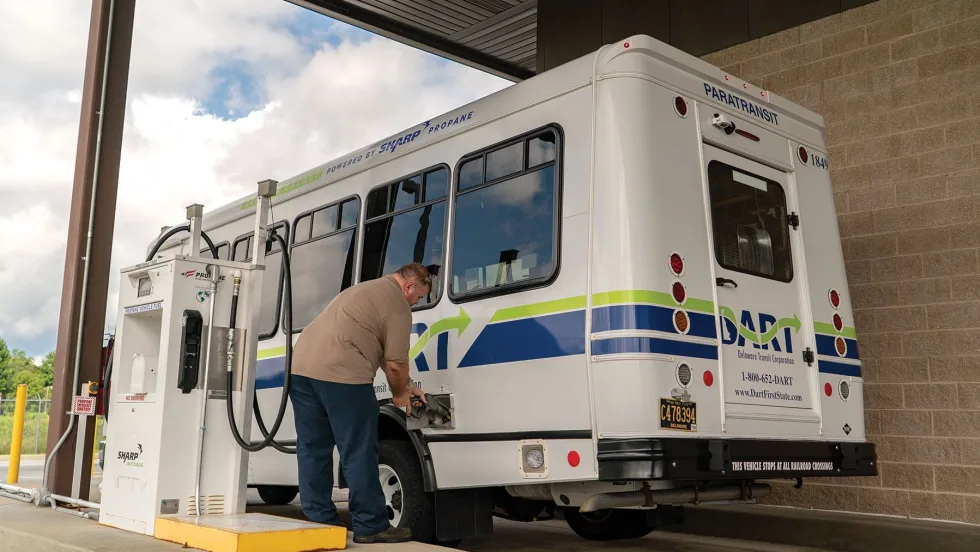
Building a Winning FTA Grant Proposal: Why Propane Autogas is the Pragmatic Choice for Fleet Resilience
With $610 million available through the FY 2026 Buses and Bus Facilities Competitive Program and the Low or No Emission Grant Program, agencies must build a compelling case before the September 21 deadline that balances environmental compliance with operational feasibility.
Read More →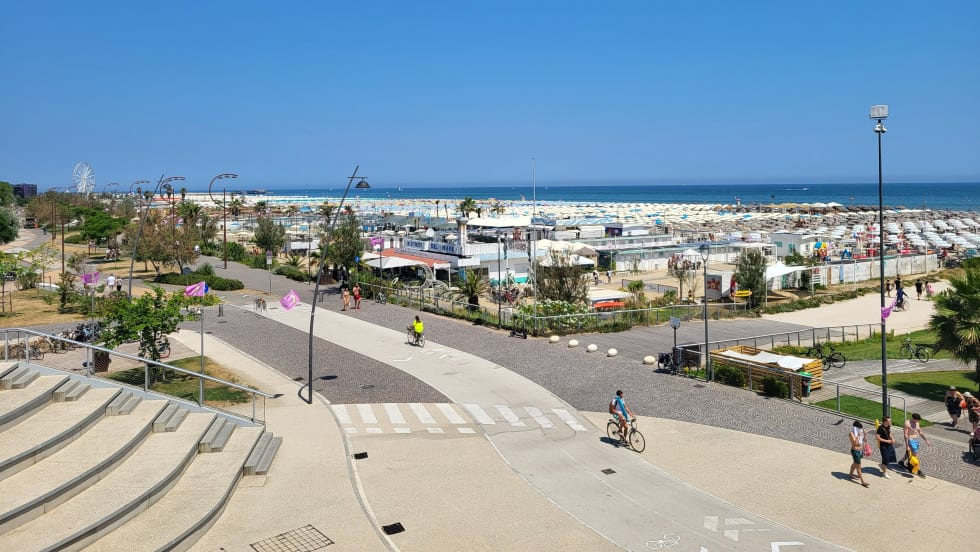
Velo-city Conference 2026: Latest Trends in Cycling as Part of Urban Mobility
The global cycling conference highlighted how cities are integrating bicycles into multimodal transportation networks, expanding cycle tourism and reshaping urban mobility.
Read More →
Kindness Isn’t Soft...It’s Strategic.
Mike Bismeyer — often known as “The Kindness Guy” — has spent more than 17 years in public transit and mobility, serving in industry leadership roles, speaking across North America, and advocating for stronger workplace cultures. But his message doesn’t come from theory. It comes from lived experience.
Read More →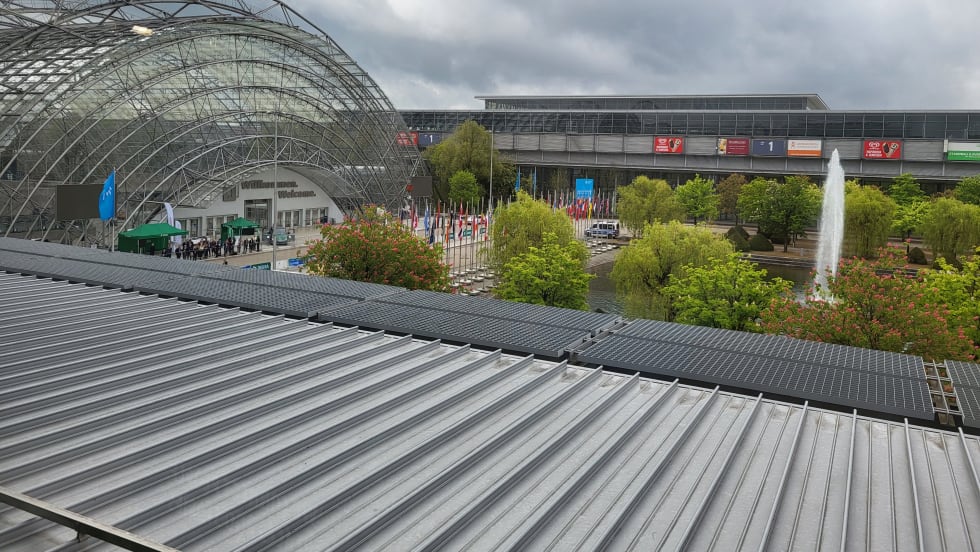
Inside ITF 2026: Transport Reacts to A Challenging World
Transport leaders from around the world gathered in Leipzig, Germany, for the 2026 International Transport Forum to discuss resilience, climate impacts, supply chains and the future of sustainable mobility.
Read More →
Every Ride Tells a Story — But You’re Not Just Selling the Ride
You’re selling the moment, the meaning, and the emotion behind it.
Read More →
How Digital Signage is Reshaping the Traveler Experience at Transportation Hubs
What was once a landscape of static signs has evolved into a responsive, immersive environment powered by real-time visual communication.
Read More →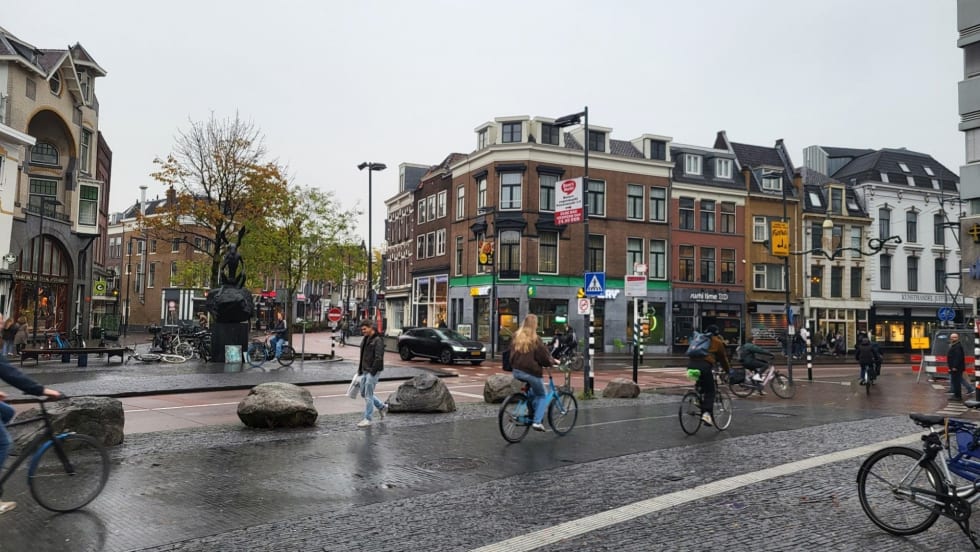
Latest Trends in Urban Mobility from Polis Conference 2025
Polis comprises cities and regions, as well as corporate partners, from across Europe, promoting the development and implementation of sustainable mobility. This year’s event had over a thousand attendees across various policy forums and an exhibition.
Read More →
Why Transit Leaders Require Better Tools for Operational Clarity In Today’s Tech-Fragmented Environment
Across North America and beyond, transit agency officials are contending with a perfect storm of operational headaches and strategic challenges that hamper daily service and long-term progress.
Read More →
The Powerless Brokers: Why California Can’t Build Transit
It is no secret that transit in the U.S. is slow and expensive to build.
Read More →
Why Transport Sustainability Should Focus on People Instead of Cars
Simply incentivizing electrification is not enough to make a meaningful impact; we must shift our focus toward prioritizing public transportation and infrastructure.
Read More →