



OCTA CEO: Strategic Thinking in 2011
Thankfully, one of the most financially challenging years in the recent past is now in our rearview mirror. At Orange County Transportation Authority, we are planning for 2011 to be a year in which we sharpen our vision for the future and set into motion a strategic plan that will aid our efforts to deliver transportation projects and programs.
The Christmas lights are put away, the champagne toasts are history, and hopefully, a few weeks into January, most of us are standing strong and sticking to our resolutions for the new year.
Thankfully, one of the most financially challenging years in the recent past is now in our rearview mirror. At Orange County Transportation Authority (OCTA), we are planning for 2011 to be a year in which we sharpen our vision for the future and set into motion a strategic plan that will aid our efforts to deliver transportation projects and programs.
Like transit agencies around the state and nation, we were not immune to the impacts that came with shrinking revenues, lagging ridership and cuts in funding. By acting quickly and making the difficult but necessary decisions to bring transit service and the size of our organization in line with our funding, OCTA was able to successfully manage through the recession.
We do have a number of positive accomplishments on the horizon, including the closeout of the 20-year Measure M program, (Orange County’s first half-cent sales tax for transportation improvements) which has delivered more than $4 billion in projects. And as the first Measure M program concludes, we officially begin collecting sales tax in April under the Measure M2 program that was approved by 70 percent of voters in 2006.
As we embark on the M2 program, which will provide more than $14 billion for transportation improvements over 30 years, OCTA is finalizing a strategic plan that will help set the foundation for future success in Orange County.
Just like large corporations and businesses across the economic landscape, this plan will help OCTA take a strategic, outcome-oriented approach to implementing our programs. The plan will further refine our agency’s core goals and objectives, and set measurable strategies to ensure we are keeping our promises to the voters, while fully engaging our board, our employees and our stakeholders in the process.
Because of the necessity in today’s climate to provide transparency in government, we want to be sure we are being good stewards of the public’s taxes and that our constituents are aware of our progress and accomplishments. We will create a dashboard of performed objectives that can be measured quarterly and provided for public review.
I encourage other transportation agencies that haven’t developed a strategic plan to consider the benefits it could offer your agency. With a changing economic climate and major shifts taking place in Washington, a strategic plan can provide a refreshed direction to guide both short- and long-term transportation planning.
More Blog Posts
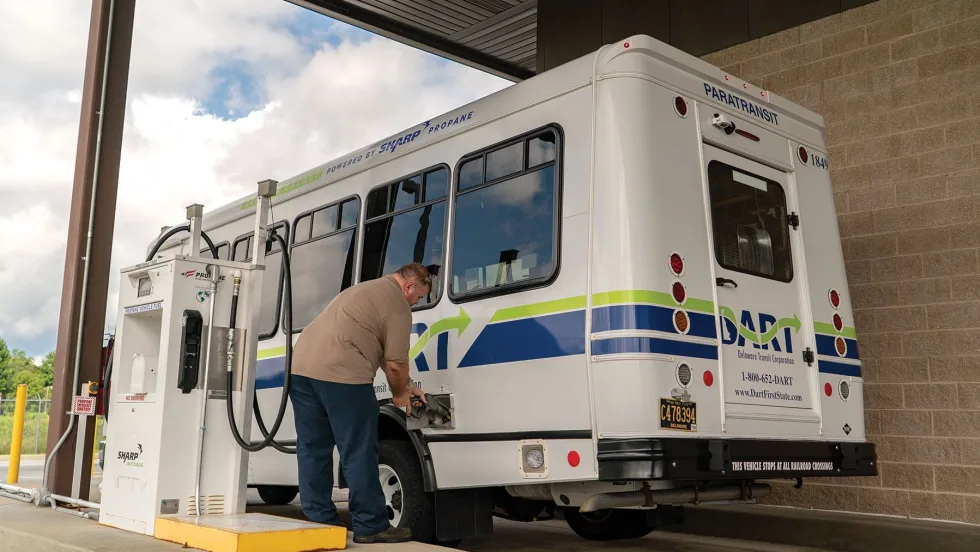
Building a Winning FTA Grant Proposal: Why Propane Autogas is the Pragmatic Choice for Fleet Resilience
With $610 million available through the FY 2026 Buses and Bus Facilities Competitive Program and the Low or No Emission Grant Program, agencies must build a compelling case before the September 21 deadline that balances environmental compliance with operational feasibility.
Read More →
Velo-city Conference 2026: Latest Trends in Cycling as Part of Urban Mobility
The global cycling conference highlighted how cities are integrating bicycles into multimodal transportation networks, expanding cycle tourism and reshaping urban mobility.
Read More →
Kindness Isn’t Soft...It’s Strategic.
Mike Bismeyer — often known as “The Kindness Guy” — has spent more than 17 years in public transit and mobility, serving in industry leadership roles, speaking across North America, and advocating for stronger workplace cultures. But his message doesn’t come from theory. It comes from lived experience.
Read More →
Inside ITF 2026: Transport Reacts to A Challenging World
Transport leaders from around the world gathered in Leipzig, Germany, for the 2026 International Transport Forum to discuss resilience, climate impacts, supply chains and the future of sustainable mobility.
Read More →
Every Ride Tells a Story — But You’re Not Just Selling the Ride
You’re selling the moment, the meaning, and the emotion behind it.
Read More →
How Digital Signage is Reshaping the Traveler Experience at Transportation Hubs
What was once a landscape of static signs has evolved into a responsive, immersive environment powered by real-time visual communication.
Read More →
Latest Trends in Urban Mobility from Polis Conference 2025
Polis comprises cities and regions, as well as corporate partners, from across Europe, promoting the development and implementation of sustainable mobility. This year’s event had over a thousand attendees across various policy forums and an exhibition.
Read More →
Why Transit Leaders Require Better Tools for Operational Clarity In Today’s Tech-Fragmented Environment
Across North America and beyond, transit agency officials are contending with a perfect storm of operational headaches and strategic challenges that hamper daily service and long-term progress.
Read More →
The Powerless Brokers: Why California Can’t Build Transit
It is no secret that transit in the U.S. is slow and expensive to build.
Read More →
Why Transport Sustainability Should Focus on People Instead of Cars
Simply incentivizing electrification is not enough to make a meaningful impact; we must shift our focus toward prioritizing public transportation and infrastructure.
Read More →