



Our DEI Evolution: Understanding Who We Want to Be – It’s a Journey
Understanding who you want to be as a company or even as a person is a key element of the diversity, equity, and inclusion (DEI) evolution. Every path is unique. Every path is part of a bigger journey.


Getty Images/NiseriN
Understanding who you want to be as a company or even as a person is a key element of the diversity, equity, and inclusion (DEI) evolution. Every path is unique. Every path is part of a bigger journey.
At Transdev, our DEI journey stems from our Purpose: We empower the freedom to move every day with confidence, thanks to safe, reliable, and innovative solutions that serve the common good. We realize there can be no common good without embedding DEI into our culture and into the way we do business.
How Did We Start? Our DEI Council
We started our journey by looking inward — looking to our employees — and asking them how they wanted to play a role. Based on the feedback we received, we initiated our Diversity, Equity, & Inclusion Council. Our Council is an employee-led advisory committee whose goal is to foster DEI awareness and serve as active change agents for Transdev. The rotating, 10-plus member council is reflective of the diversity at Transdev from all levels — from our frontline to our executive leaders — with representation demonstrated by race, gender, sexual orientation, age, ethnicity, disabilities, religious beliefs, veteran status, and life experiences. With the support of two executive sponsors, the Council recommends diversity, equity, and inclusion priorities each year aligned with Transdev’s mission. They have made incredible progress and continue their efforts with the same drive, motivation, and passion they had day one.
Our Approach. The Road Taken
We approach DEI through three primary focus areas: Building an Inclusive Culture, Communications to Build Communities, and Recruiting for a Diverse Community. Every year, the Council develops a roadmap that supports each of these three areas. Once the initiatives are kicked off, they then move into the business to be continued and sustained. For us, it’s about embedding DEI into our culture, operationalizing it, and reinforcing that a focus on DEI is part of how we do business.
Our Journey’s Progress: Are We There Yet?
Our answer to the consummate road trip question, “Are we there yet?” is not yet, but we’re making great progress. However, we also believe our journey never really comes to an end.
To date, our DEI Council’s roadmap has produced and launched some insightful and meaningful programs which already have been imbedded into our business. Here are just a few:
Ask Me Anything Sessions
In 2021, we launched our “Ask Me Anything” sessions. They are informal, virtual sessions, moderated by a DEI Council member, that are positioned as a great opportunity to hear directly from some senior leaders about their career growth, their experience with and position on diversity, equity, and inclusion, and a chance to ask them just about anything. They are well received and well attended.
Increased Involvement in Diverse Trade Organizations
We continue to encourage all employees — at all levels — to get involved and give back to the communities we serve. We now offer all our DEI Council members a membership to the trade organization of their choice (e.g., COMTO, WTS, LIT) and continue to promote Transdev’s overall involvement to all employees (e.g., our recent Diamante level partnership with Latinos in Transit and our regular trade show participation).
Workforce Development Partnership with an HBCU
We recently entered into a formal workforce development partnership with Xavier University of Louisiana — one of the premier U.S. historically Black Colleges and Universities. This partnership helps Xavier students have unique access to our company and provides them with new options and opportunities as they begin to decide and develop their career paths and interests.
Mentor@Transdev Launch
Our mentorship program, Mentor@Transdev, relaunched in November 2021. The program kicked off focusing on the mentorship of women and in the coming years will ideally be refined and expanded to other groups. Special care was taken to pair each of the mentees with a mentor who has the expertise, personality and experience to support their mentee’s goals and aspirations.
Creating and operating in a diverse, equitable, and inclusive environment is an essential element of how Transdev does business. It’s important for our current employees and our prospective ones, alike. It demonstrates how we live our purpose every day through how we care for each other, how we share our knowledge and how we dare to think differently. DEI is a journey, and we look forward to where it continues to take us.
More Blog Posts
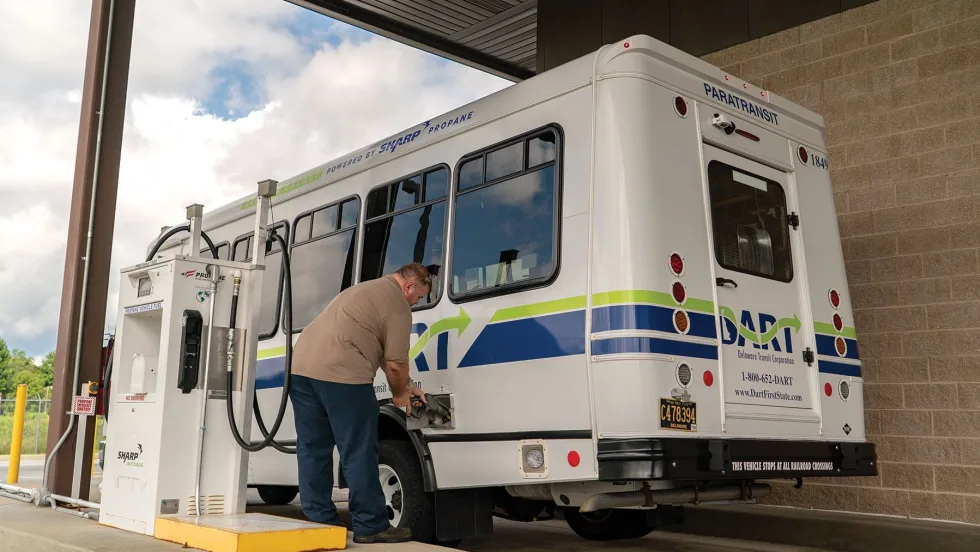
Building a Winning FTA Grant Proposal: Why Propane Autogas is the Pragmatic Choice for Fleet Resilience
With $610 million available through the FY 2026 Buses and Bus Facilities Competitive Program and the Low or No Emission Grant Program, agencies must build a compelling case before the September 21 deadline that balances environmental compliance with operational feasibility.
Read More →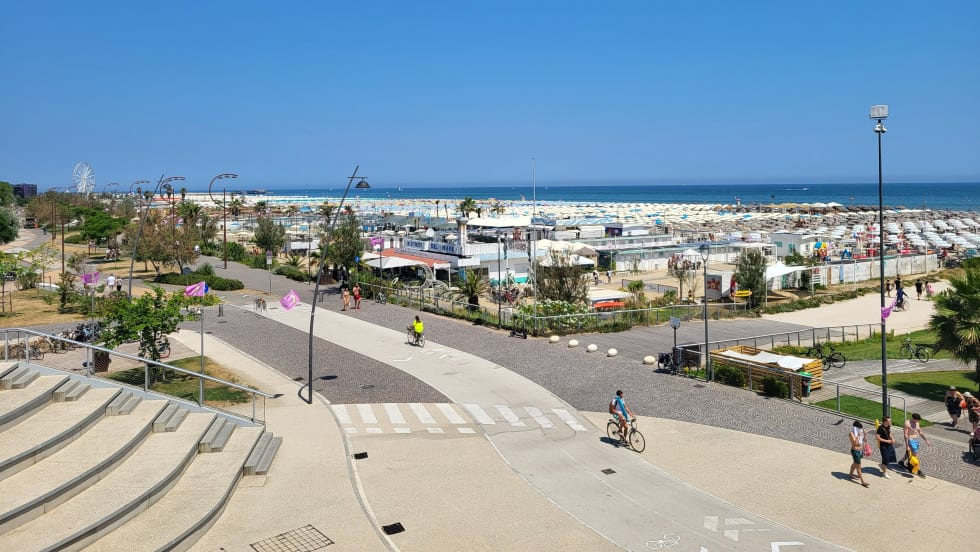
Velo-city Conference 2026: Latest Trends in Cycling as Part of Urban Mobility
The global cycling conference highlighted how cities are integrating bicycles into multimodal transportation networks, expanding cycle tourism and reshaping urban mobility.
Read More →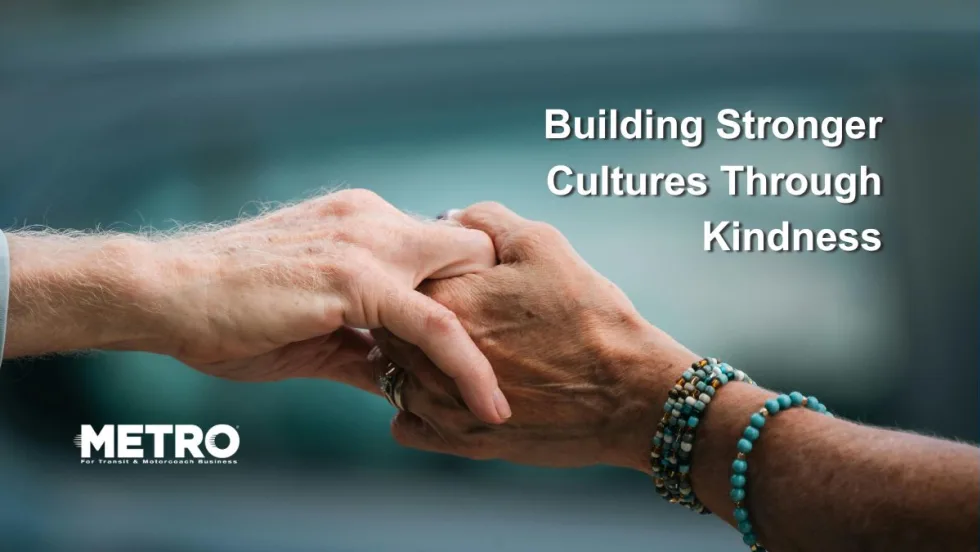
Kindness Isn’t Soft...It’s Strategic.
Mike Bismeyer — often known as “The Kindness Guy” — has spent more than 17 years in public transit and mobility, serving in industry leadership roles, speaking across North America, and advocating for stronger workplace cultures. But his message doesn’t come from theory. It comes from lived experience.
Read More →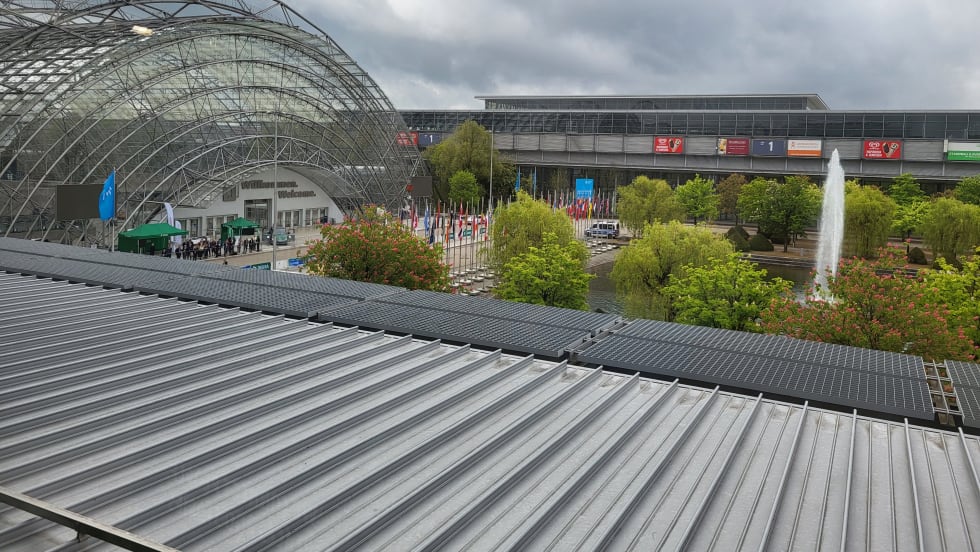
Inside ITF 2026: Transport Reacts to A Challenging World
Transport leaders from around the world gathered in Leipzig, Germany, for the 2026 International Transport Forum to discuss resilience, climate impacts, supply chains and the future of sustainable mobility.
Read More →
Every Ride Tells a Story — But You’re Not Just Selling the Ride
You’re selling the moment, the meaning, and the emotion behind it.
Read More →
How Digital Signage is Reshaping the Traveler Experience at Transportation Hubs
What was once a landscape of static signs has evolved into a responsive, immersive environment powered by real-time visual communication.
Read More →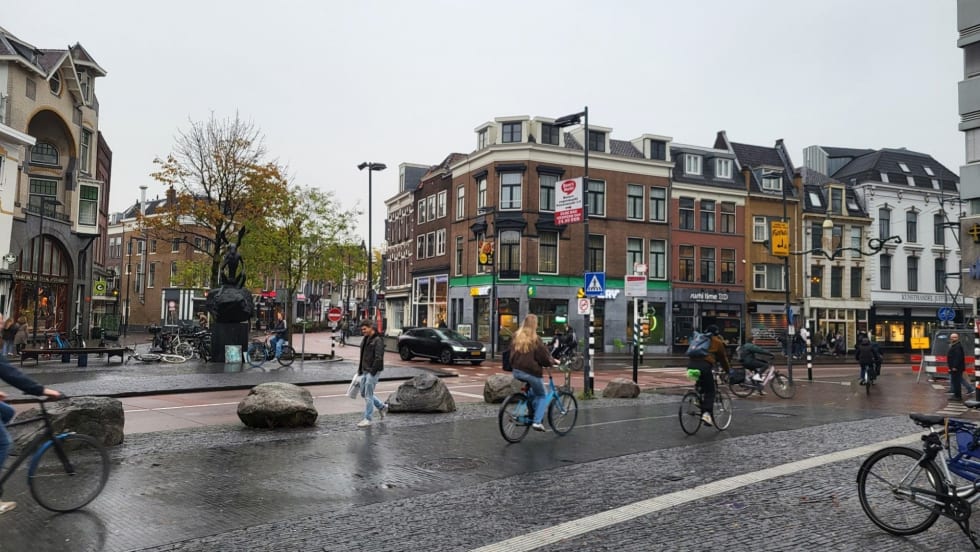
Latest Trends in Urban Mobility from Polis Conference 2025
Polis comprises cities and regions, as well as corporate partners, from across Europe, promoting the development and implementation of sustainable mobility. This year’s event had over a thousand attendees across various policy forums and an exhibition.
Read More →
Why Transit Leaders Require Better Tools for Operational Clarity In Today’s Tech-Fragmented Environment
Across North America and beyond, transit agency officials are contending with a perfect storm of operational headaches and strategic challenges that hamper daily service and long-term progress.
Read More →
The Powerless Brokers: Why California Can’t Build Transit
It is no secret that transit in the U.S. is slow and expensive to build.
Read More →
Why Transport Sustainability Should Focus on People Instead of Cars
Simply incentivizing electrification is not enough to make a meaningful impact; we must shift our focus toward prioritizing public transportation and infrastructure.
Read More →