



Rain or Shine, Halogen Bulbs Are Today’s Smart Lighting Choice for Commuter Railcars
With their longevity and affordable price tag, halogen bulbs represent an untapped resource for transit agencies that are looking to save money without sacrificing performance.

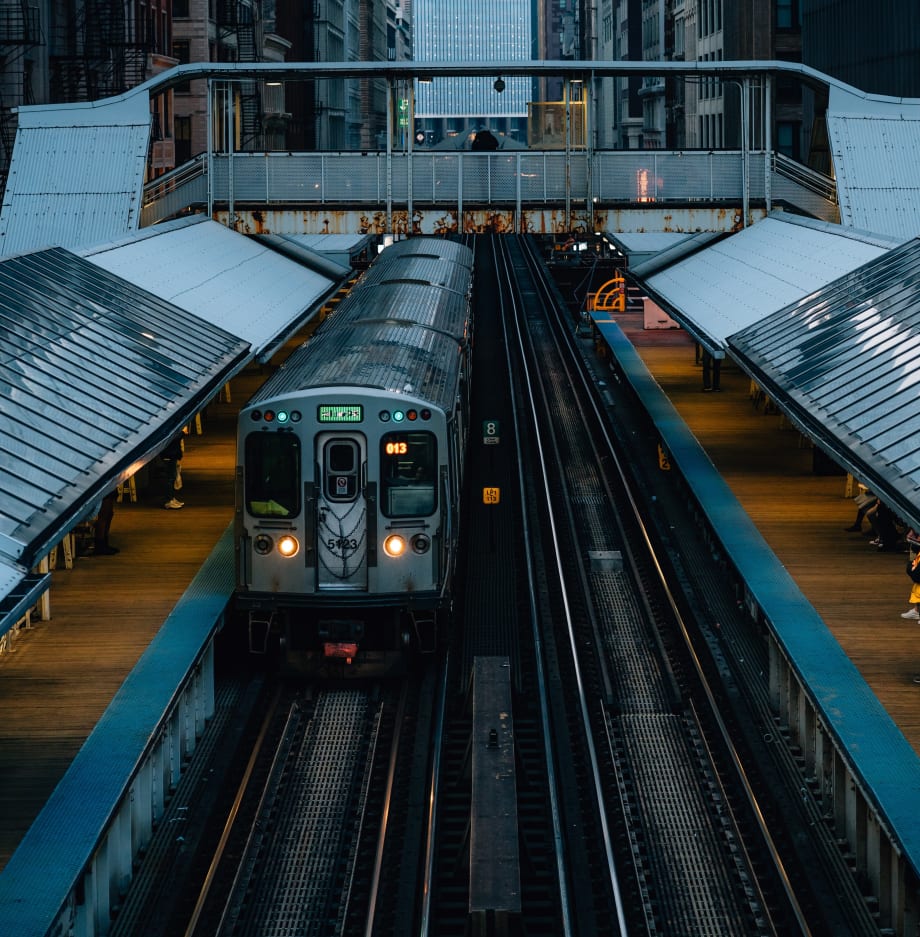
Luis Leon via Pexels
It is no surprise that COVID-19 has brought dramatic changes to every business. As organizations quickly adjusted to comply with social distancing and stay-at-home orders, ridership on local commuter lines also declined. As a result, mass transit agencies throughout the U.S. and Canada were forced to cut costs any way they could and think outside the box. One area where agencies can save money without sacrificing performance can be found in the adoption of halogen bulbs for railway headlamps. With their longevity and affordable price tag, halogen bulbs represent an untapped resource and make a smart choice for commuter railroads that are working hard to meet a positive bottom line.
While new commuter cars are being outfitted with long-lasting LED lights, most railcars in operation still rely on PAR46 incandescent bulbs to light their way. PAR stands for parabolic aluminized reflector and these bulbs come in a wide range of sizes ranging from your regular household PAR20 all the way up to aircraft landing lights. The popularity of incandescent bulbs is due in large part to their low cost (a single bulb can cost as little as $15-$25). However, in their zeal to obtain the least expensive bulb on the market, procurement departments often bypass the potential savings offered by longer-lasting halogen lights.
If you’re considering a switch to halogen as a cost-saving measure, here are three considerations that shed some “light” on the subject and help in your decision:
Halogen is cost-effective.
In terms of cost, halogen bulbs are far less expensive than LED lights, which run anywhere from $100 to $300 for moderately priced options and up to $1,000 for a high-end bulb. Outfitting a fleet of 1,500 railcars with four LED headlamps apiece could cost a staggering $6 million. By comparison, the cost to outfit the same fleet with halogen lights may only cost around $388,000.
Halogen means less downtime for changeouts.
The adage “time is money” certainly applies to maintaining the lighting on railcars. Changing out incandescent or halogen bulbs takes anywhere from 20 minutes up to an hour. Although the process is nowhere near as time-consuming as switching out LED lamps, it does require maintenance crews to take cars out of commission during the changeout, which can wreak havoc with commuter schedules. Adopting halogen bulbs —which last three to eight times longer than incandescent bulbs — is a simple way to minimize maintenance times.
Halogen bulbs offer superior performance.
Halogen bulbs are a durable lighting option that outperform both incandescent and LED lights on a variety of measures, including the ability to withstand the vibrations of moving railcars. In contrast to the filaments in incandescent bulbs, halogen filaments are reinforced by manufacturers, making them less prone to breakage. Halogen bulbs also compare favorably to LED lights, which have sensitive electronics that can be disrupted by vibrations.
In addition to their ability to withstand railcar vibrations, halogen bulbs offer one more advantage over LED lights. Whereas LED lights lack a heating element to prevent ice buildup, halogen bulbs generate sufficient heat to keep head lamps ice free in subzero temperatures, making them a great option for commuter lines during icy winters.
Incandescent bulbs also generate enough heat to melt ice buildup, but halogen bulbs really outshine their incandescent counterparts when it comes to candela output. A candela is the measurement of light output at a specific distance. Over time, incandescent bulbs lose candela output, whereas halogen bulbs maintain consistent candela throughout their lifespan.
Avoiding “beam wander” is another advantage halogen offers over incandescent. After 200 to 400 hours, incandescent lamps start to sag, which changes the focal point in the reflector. Over time, instead of shining a beam of light straight down the middle of the track, the incandescent lamp points its beam of light in an upward direction.
Want halogen? How to select a quality bulb.
Selecting a quality halogen bulb is a relatively straightforward matter if you know what to look for. The original equipment manufacturer (OEM) will often specify which type of bulbs to use, but if you plan on deviating from OEM specifications, look for a trusted brand from a manufacturer with an established track record of producing products for the rail industry. If possible, take a tour of the facility to see how the bulbs are produced. Buying a bulb manufactured in the U.S., where standards are more rigorous, is another way to ensure you get a quality product.
Selecting a lighting solution that provides sufficient visibility is essential to the safety and comfort of your passengers. At the same time, the economic challenges most likely will continue to make finding an affordable option more imperative than ever. In terms of longevity and affordability, take a close look at halogen bulbs. They will provide you superior performance that can withstand the rigors of commuter rail service, rain or shine.
For more information, visit www.amglo.com
More Blog Posts
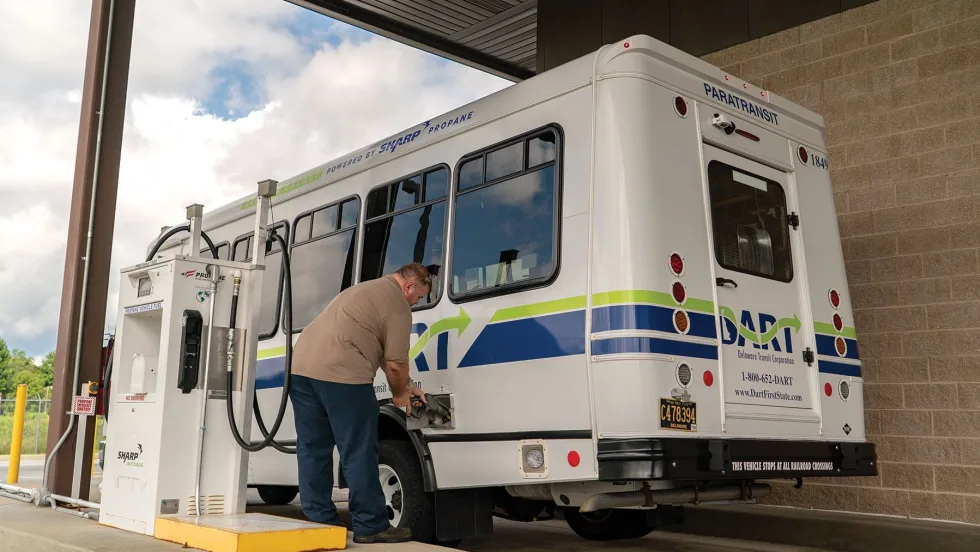
Building a Winning FTA Grant Proposal: Why Propane Autogas is the Pragmatic Choice for Fleet Resilience
With $610 million available through the FY 2026 Buses and Bus Facilities Competitive Program and the Low or No Emission Grant Program, agencies must build a compelling case before the September 21 deadline that balances environmental compliance with operational feasibility.
Read More →
Velo-city Conference 2026: Latest Trends in Cycling as Part of Urban Mobility
The global cycling conference highlighted how cities are integrating bicycles into multimodal transportation networks, expanding cycle tourism and reshaping urban mobility.
Read More →
Kindness Isn’t Soft...It’s Strategic.
Mike Bismeyer — often known as “The Kindness Guy” — has spent more than 17 years in public transit and mobility, serving in industry leadership roles, speaking across North America, and advocating for stronger workplace cultures. But his message doesn’t come from theory. It comes from lived experience.
Read More →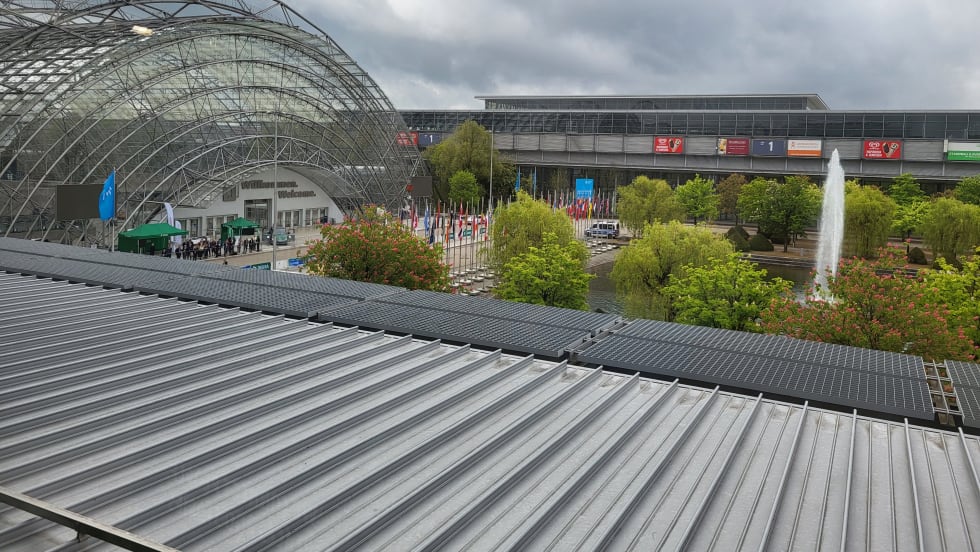
Inside ITF 2026: Transport Reacts to A Challenging World
Transport leaders from around the world gathered in Leipzig, Germany, for the 2026 International Transport Forum to discuss resilience, climate impacts, supply chains and the future of sustainable mobility.
Read More →
Every Ride Tells a Story — But You’re Not Just Selling the Ride
You’re selling the moment, the meaning, and the emotion behind it.
Read More →
How Digital Signage is Reshaping the Traveler Experience at Transportation Hubs
What was once a landscape of static signs has evolved into a responsive, immersive environment powered by real-time visual communication.
Read More →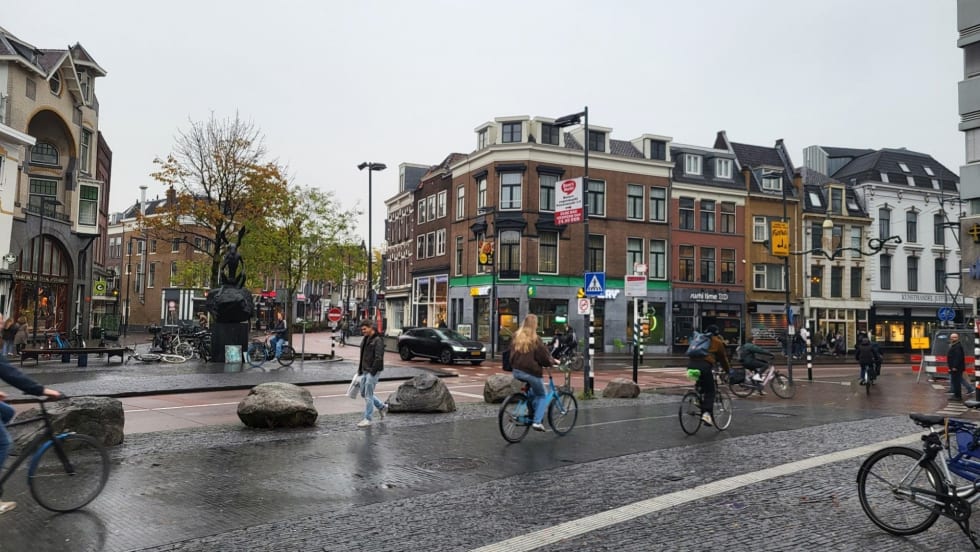
Latest Trends in Urban Mobility from Polis Conference 2025
Polis comprises cities and regions, as well as corporate partners, from across Europe, promoting the development and implementation of sustainable mobility. This year’s event had over a thousand attendees across various policy forums and an exhibition.
Read More →
Why Transit Leaders Require Better Tools for Operational Clarity In Today’s Tech-Fragmented Environment
Across North America and beyond, transit agency officials are contending with a perfect storm of operational headaches and strategic challenges that hamper daily service and long-term progress.
Read More →
The Powerless Brokers: Why California Can’t Build Transit
It is no secret that transit in the U.S. is slow and expensive to build.
Read More →
Why Transport Sustainability Should Focus on People Instead of Cars
Simply incentivizing electrification is not enough to make a meaningful impact; we must shift our focus toward prioritizing public transportation and infrastructure.
Read More →