



Realities of Running an EV Fleet and Mixed-Fueling Environment
Though it won’t happen overnight, successfully completing an electric vehicle (EV) fleet pilot will send you well on your way toward the reality of living with an EV fleet and mixed-fueling environment.

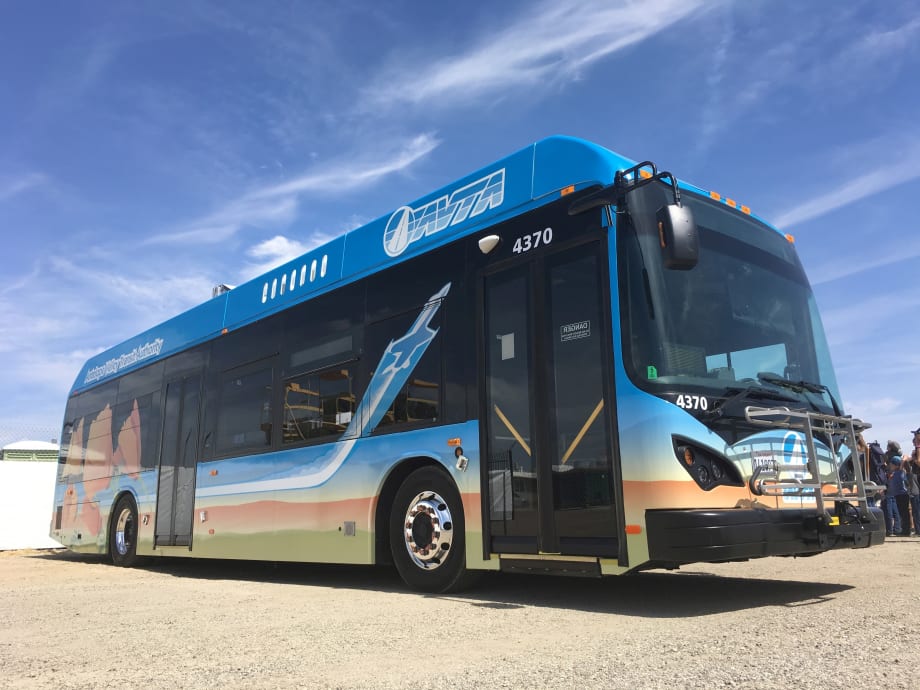
As fossil fuel vehicles age, there’s a point where it becomes more economical to invest in EVs.
AVTA
Fleet managers, imagine this: a blissfully quiet depot that’s free of vehicle emissions. And the only noise is the sound of drivers chatting between routes. During vehicle inspection, you see all in one dashboard that all your fleet vehicles are in place, charged, and ready to go. The latest fueling report even shows that overall fuel costs have dropped by an impressive 20% since adding EVs to the fleet. You wonder, “how do I best package up this info for my boss?”
It may sound almost too good to be true, but this can be your new normal when you take your fleet electric. Though it won’t happen overnight, successfully completing an electric vehicle (EV) fleet pilot will send you well on your way toward the reality of living with an EV fleet and mixed-fueling environment. Guided by the vision of a quiet and diesel-free electric depot, not to mention incredible operational savings, let's look at how you can grow your electric fleet from the pilot phase through to mixed-fueling success.
Begin to Moving into Electric
As fossil fuel vehicles age, there’s a point where it becomes more economical to invest in EVs. Identify this breaking point and take advantage of opportunities to cut expensive maintenance bills by electrifying vehicles where possible. It won’t happen all at once, but starting the process now will set you up for substantial savings later on.
Educate Your Drivers
Once the pilot phase is complete, it’s time to procure more electric fleet vehicles and roll them out to a broader set of drivers. First, though, some education is in order. Check in with the drivers who led the way in your pilot and see what lessons they learned from driving electric, then ask them to share these lessons with the team. Make sure new EV drivers understand that their vehicles will be charged and ready for their routes, as verified during vehicle inspection. Still, drivers may need to unplug vehicles in the morning, plug them in at the end of the day and monitor estimated range as they drive.
As you educate, position electrification as a benefit: drivers have a lot to look forward to when it comes to EVs. They’ll have a more enjoyable drive, with instant torque, and regenerative braking. They’ll be able to precondition their vehicles while they’re plugged in to save energy. Best of all, they’ll know they’re working for a company that cares about saving money and the environment. Being part of an electric fleet can be a meaningful experience for drivers.
Button Up Operations
A few EVs are just the beginning. As your electric vehicle fleet expands, you’ll refine the requirements for your fleet vehicles based on routes, elevation, temperature, and other factors. You’ll also develop the financing and accounting models you use for your EV fleet, including the amortization schedule for both vehicles and the charging infrastructure needed to keep them up and running. Once your operations are buttoned up, you’ll be ready to operate as a fully electric fleet.
Think of Each New Vehicle and Route as Its Own Pilot
Just as you took a careful approach to your EV fleet pilot, take the same type of approach toward electrifying each vehicle and route on your schedule. You might have chosen to prioritize electrifying certain routes based on the timing or requirements of those routes. As you add more electric vehicles, you may deal with longer or more challenging routes that will require different charging patterns. Continue to optimize the charging schedules for vehicles to ensure they can handle their routes as efficiently and affordably as possible.
Communicate New Requirements
As you learn more about how EVs work and how they can best serve your needs, make sure to communicate with your partners about how your needs are changing and how you can work together to keep bringing more electric vehicles into your fleet. There’s no need to fear changing requirements as long as they’re communicated clearly. Changes are a sign you’re beginning to understand electric fleets better and are optimizing your EV fleet operations to save money and improve efficiency. Some factors to consider as you grow include:
New vehicles are likely to be more efficient and have better range.
Each new vehicle or route is like a mini pilot; understand how they perform and their charging requirements.
There will be a mix of vehicles with different ranges, and some will be better suited to different routes.
Continue to communicate with your utility as needed to discuss electrical supply needs.
Start Small and Think Big: Set New Operational Targets Over Time
Once you’ve reached your initial program goal, whether it was one or 10 EVs, don’t stop there. Continue to set new goals as part of your incremental progress toward a fully electric fleet with lower fueling and environmental costs. Learn from your experience and continue to grow your fleet intelligently with new EVs that help you meet changing business needs, financial realities, regulations, and sustainability goals. Ideally, you planned for sufficient electrical capacity from the start, but if you need to work with your utility to expand electrical capacity to accommodate more EVs, there’s never a bad time to grow.
Showcase Your Industry Leadership
As an industry leader in fleet electrification, you’ll probably want to share your experiences and spread the word with your fleet peers about the advantages of electrification. Spread your newfound EV knowledge by participating in webinars, joining your local clean cities coalition, and documenting your experience to benefit others, however makes sense for your industry. You’ll be a leader in your space and a model to other fleets seeking to go electric.
Don’t Look Back
Once you go electric, you won’t go back. We (pretty much) guarantee it. You’ll be able to meet sustainability goals and government requirements while dramatically lowering total cost of ownership. It’s a win-win for everyone, especially if you’re the person who gets the credit for leading the charge.
More Blog Posts
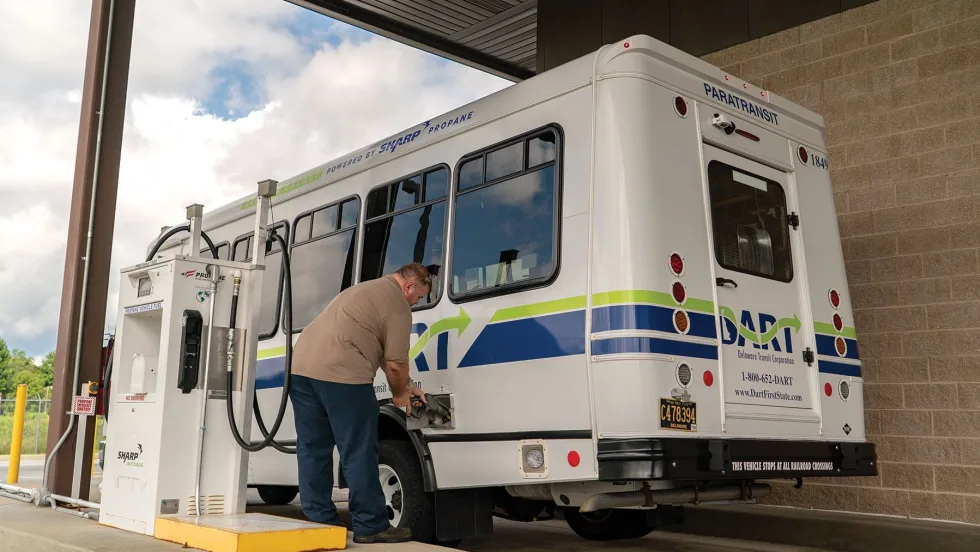
Building a Winning FTA Grant Proposal: Why Propane Autogas is the Pragmatic Choice for Fleet Resilience
With $610 million available through the FY 2026 Buses and Bus Facilities Competitive Program and the Low or No Emission Grant Program, agencies must build a compelling case before the September 21 deadline that balances environmental compliance with operational feasibility.
Read More →
Velo-city Conference 2026: Latest Trends in Cycling as Part of Urban Mobility
The global cycling conference highlighted how cities are integrating bicycles into multimodal transportation networks, expanding cycle tourism and reshaping urban mobility.
Read More →
Kindness Isn’t Soft...It’s Strategic.
Mike Bismeyer — often known as “The Kindness Guy” — has spent more than 17 years in public transit and mobility, serving in industry leadership roles, speaking across North America, and advocating for stronger workplace cultures. But his message doesn’t come from theory. It comes from lived experience.
Read More →
Inside ITF 2026: Transport Reacts to A Challenging World
Transport leaders from around the world gathered in Leipzig, Germany, for the 2026 International Transport Forum to discuss resilience, climate impacts, supply chains and the future of sustainable mobility.
Read More →
Every Ride Tells a Story — But You’re Not Just Selling the Ride
You’re selling the moment, the meaning, and the emotion behind it.
Read More →
How Digital Signage is Reshaping the Traveler Experience at Transportation Hubs
What was once a landscape of static signs has evolved into a responsive, immersive environment powered by real-time visual communication.
Read More →
Latest Trends in Urban Mobility from Polis Conference 2025
Polis comprises cities and regions, as well as corporate partners, from across Europe, promoting the development and implementation of sustainable mobility. This year’s event had over a thousand attendees across various policy forums and an exhibition.
Read More →
Why Transit Leaders Require Better Tools for Operational Clarity In Today’s Tech-Fragmented Environment
Across North America and beyond, transit agency officials are contending with a perfect storm of operational headaches and strategic challenges that hamper daily service and long-term progress.
Read More →
The Powerless Brokers: Why California Can’t Build Transit
It is no secret that transit in the U.S. is slow and expensive to build.
Read More →
Why Transport Sustainability Should Focus on People Instead of Cars
Simply incentivizing electrification is not enough to make a meaningful impact; we must shift our focus toward prioritizing public transportation and infrastructure.
Read More →