



Riding to connect with riders
As the GM of the Calif.-based Sacramento Regional Transit District (RT), it is critical to continuously expand my knowledge of all aspects of RT's bus and light rail system. I’ve found that a great way to stay on top of the day-to-day happenings is to ride RT’s buses and trains regularly, either as part of my commute or while conducting RT business.

As the GM of the Calif.-based Sacramento Regional Transit District (RT), it is critical to continuously expand my knowledge of all aspects of RT's bus and light rail system.
To lead the agency and have a vision for the future, I need to not only think broadly, but understand the daily challenges employees and customers face at the street level. What aspects of RT service are customers most pleased with, what long-term improvements would they like to see and where are the opportunities to make immediate changes?
I’ve found that a great way to stay on top of the day-to-day happenings is to ride RT’s buses and trains regularly, either as part of my commute or while conducting RT business.
Taking this idea one step further, RT staff and I started the ‘Ride with the GM’ program in 2010. Each October, I choose a few days a week to interact with riders by traveling throughout the RT system. My itinerary is posted on the RT website.
‘Ride with the GM’ is a real opportunity to show riders that RT leadership is concerned with our quality of service and looking for firsthand knowledge of the system. During my tour, I introduce myself to as many people as possible, ask for comments or suggestions, and immediately follow up with the appropriate departments to address issues or concerns.
I’m very encouraged by the number of customers that compliment RT operators and express appreciation for RT service. I’m also receptive when customers offer solutions to improve cleanliness of stations, add bench seats at certain bus stops and improve connections at transfer areas.
During the first two weeks of the 2012 ‘Ride with the GM’ program, a popular topic has been RT’s recent service improvements. On Sept. 2, 2012, RT extended night service on light rail and nine major bus routes, increased frequency on highly-utilized bus routes and restructured others to better serve riders. Feedback has been positive and ridership strong, as I encountered standing-room only passenger loads on various routes during off-peak hours. I’m also optimistic that ridership will continue to increase as people gain a better understanding of the benefits offered by the changes.
While I regularly ride the RT system, the ‘Ride with the GM’ program offers a unique opportunity to schedule multiple blocks of time to interact with our customers face-to-face. RT gains valuable information, customers are encouraged to take a stake in their service and I make a few new friends – all in a day’s work.
In case you missed it...
Read our METRO blog, "'OCTA CEO: Local control key to rail service integration" here.
More Blog Posts
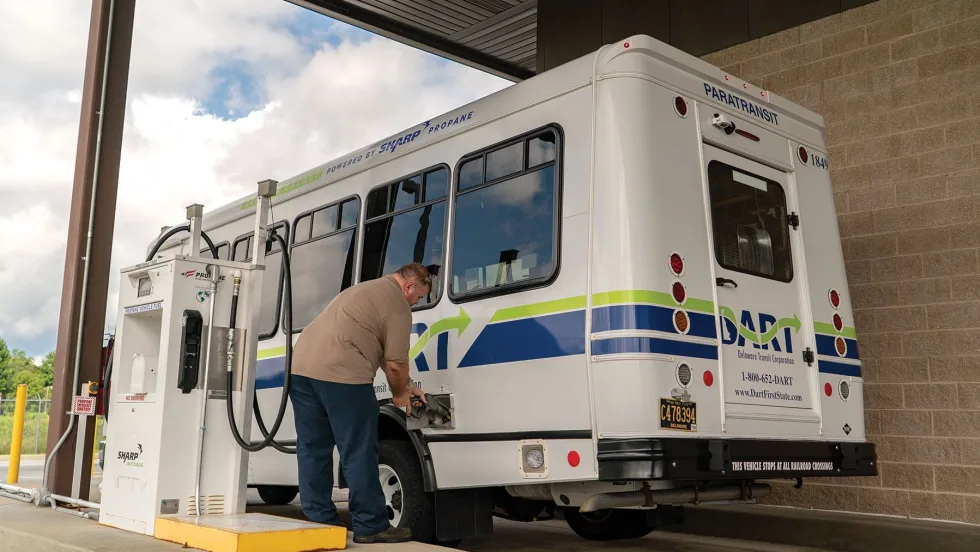
Building a Winning FTA Grant Proposal: Why Propane Autogas is the Pragmatic Choice for Fleet Resilience
With $610 million available through the FY 2026 Buses and Bus Facilities Competitive Program and the Low or No Emission Grant Program, agencies must build a compelling case before the September 21 deadline that balances environmental compliance with operational feasibility.
Read More →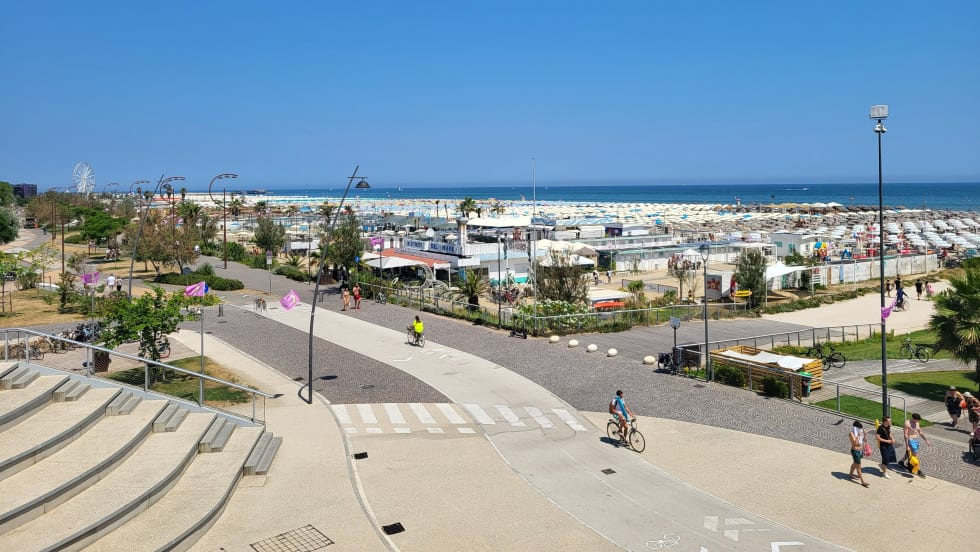
Velo-city Conference 2026: Latest Trends in Cycling as Part of Urban Mobility
The global cycling conference highlighted how cities are integrating bicycles into multimodal transportation networks, expanding cycle tourism and reshaping urban mobility.
Read More →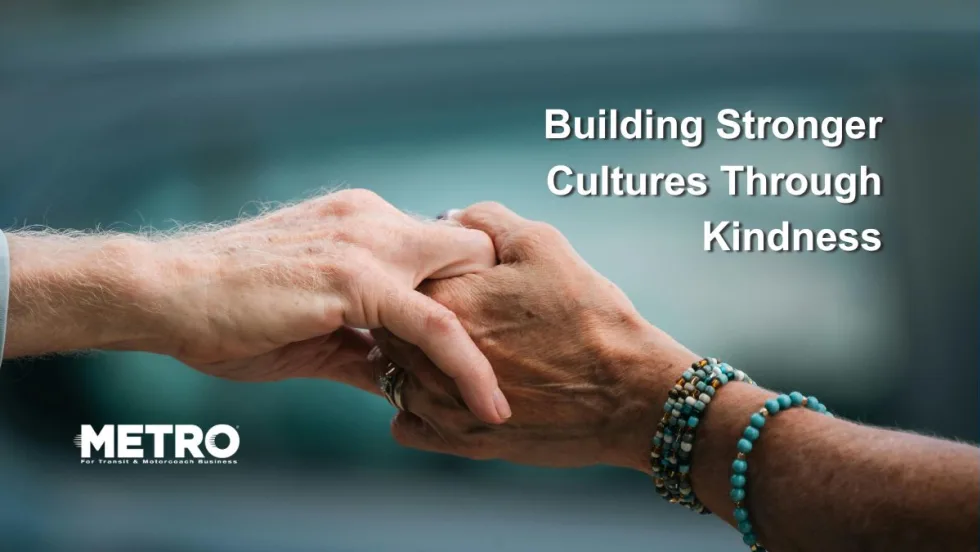
Kindness Isn’t Soft...It’s Strategic.
Mike Bismeyer — often known as “The Kindness Guy” — has spent more than 17 years in public transit and mobility, serving in industry leadership roles, speaking across North America, and advocating for stronger workplace cultures. But his message doesn’t come from theory. It comes from lived experience.
Read More →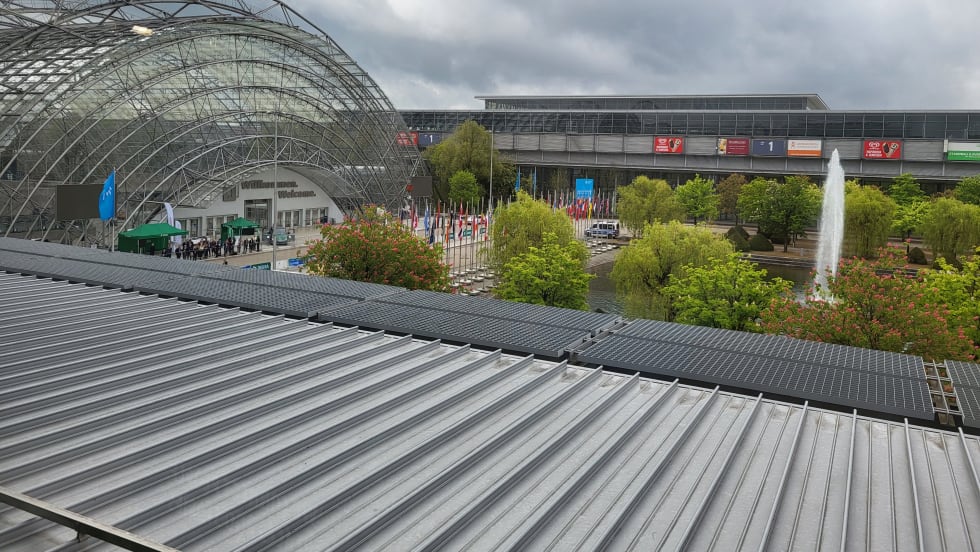
Inside ITF 2026: Transport Reacts to A Challenging World
Transport leaders from around the world gathered in Leipzig, Germany, for the 2026 International Transport Forum to discuss resilience, climate impacts, supply chains and the future of sustainable mobility.
Read More →
Every Ride Tells a Story — But You’re Not Just Selling the Ride
You’re selling the moment, the meaning, and the emotion behind it.
Read More →
How Digital Signage is Reshaping the Traveler Experience at Transportation Hubs
What was once a landscape of static signs has evolved into a responsive, immersive environment powered by real-time visual communication.
Read More →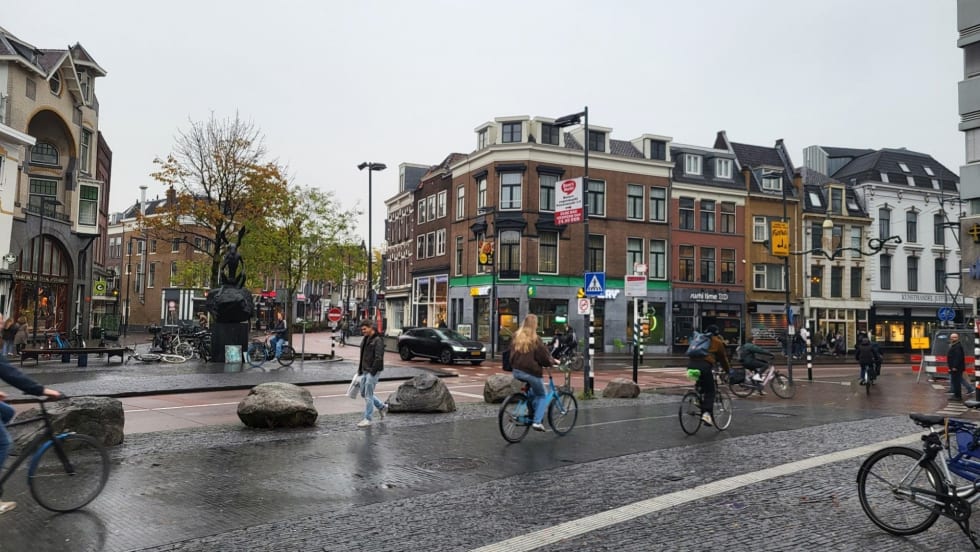
Latest Trends in Urban Mobility from Polis Conference 2025
Polis comprises cities and regions, as well as corporate partners, from across Europe, promoting the development and implementation of sustainable mobility. This year’s event had over a thousand attendees across various policy forums and an exhibition.
Read More →
Why Transit Leaders Require Better Tools for Operational Clarity In Today’s Tech-Fragmented Environment
Across North America and beyond, transit agency officials are contending with a perfect storm of operational headaches and strategic challenges that hamper daily service and long-term progress.
Read More →
The Powerless Brokers: Why California Can’t Build Transit
It is no secret that transit in the U.S. is slow and expensive to build.
Read More →
Why Transport Sustainability Should Focus on People Instead of Cars
Simply incentivizing electrification is not enough to make a meaningful impact; we must shift our focus toward prioritizing public transportation and infrastructure.
Read More →