




RELATED: AVTA Reaches Its All-Electric Goal
Supporting Transits on Their Zero-Emission Journeys
With the recent availability of funding to our public transit agencies for zero-emission vehicles and infrastructure, there is a lot of interest and conversation about what we can collectively do to drive sustainability.
November 16, 2022
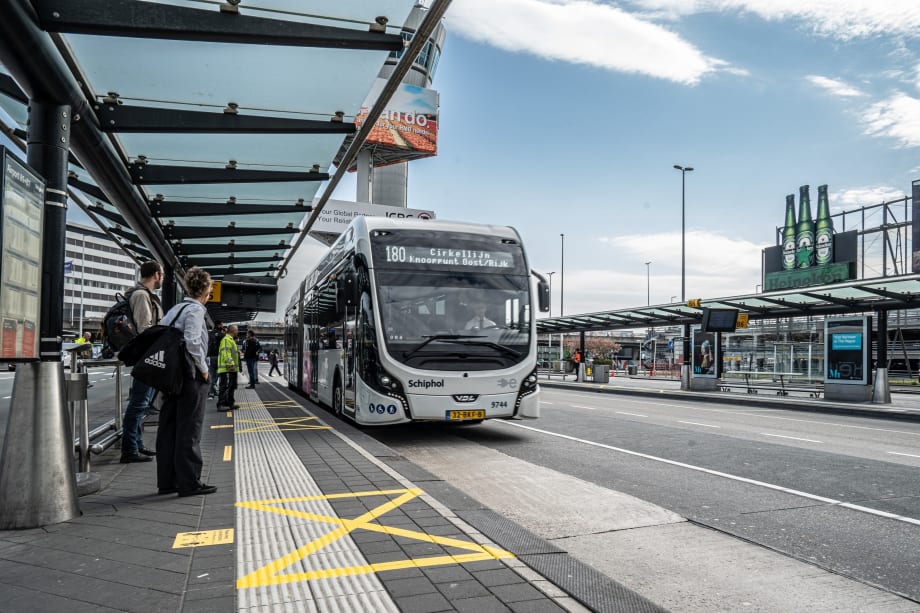
Recently, a Transdev client in Schiphol, close to the airport in Amsterdam, converted its entire bus fleet from diesel to 100% electric.
Credit:
Transdev
5 min to read
Ambitious targets require innovative action. With the recent availability of funding to our public transit agencies for zero-emission vehicles and infrastructure, there is a lot of interest and conversation about what we can collectively do to drive sustainability.
We have learned a lot over the years from working with various transit authorities around the world. Converting a fleet to zero emissions involves transformation and a recognition up front there is no single solution that is “one size fits all.” Solutions need to be customized to each local operating environment for system design, garage, or location sizes; guidance in choosing a type of energy; the required charging infrastructure; and more.
There is so much new and fast-changing innovation in this area, we found the best way to move forward was by collecting expertise and best practices with an internal team of experts who could share information and be deployed and called upon as needed. We collect and share with our clients information about topics, such as maintaining electric vehicles, determining the best method of power (battery, inductive charging, or conductive opportunity charging), strategic charging locations based on hours and miles of service, and battery capacity and route conditions.
We have worked with and supported many innovative clients around the world on their sustainability journeys.
For example, our client in the Netherlands (in Schiphol, close to Amsterdam airport) recently tasked us to convert an entire bus fleet of 100 buses from diesel to battery electric. This had never been done before in Europe, but now, we can count it as a huge success. In Queensland, Australia, we operate the first buses charged exclusively by solar power, while in Sydney, we operate some 146 electric buses serving the eastern and southeastern suburbs, as well as the Central Business District. Since 2016, we have grown our Dutch electric bus fleet to pass the 500 mark this year, saving nearly 70,000 tons of CO2 per year. That's equivalent to taking 35,000 cars off the road.
What are The Barriers to Moving Forward?
Globally, one of the biggest barriers to a faster transition to zero-emission technology is certainly cost. Cost for a city to invest in a ZE fleet and all the infrastructure costs related to it. These are all high-dollar items and require a large effort to implement.
Luckily in the U.S., we have seen real investment in transportation infrastructure this past year through the Biden Administration’s Infrastructure Investment and Jobs Act (or bipartisan infrastructure law). This bill authorized $1.2 trillion in spending for transportation and infrastructure, including $1.1 billion available to public transportation agencies in the way of grants to fund zero- and low-emission buses and associated infrastructure. This is a lot of money, but it can be spent down very quickly given the average cost for ZE buses and the related charging infrastructure. And even with some core aspects being paid for by grant money, there is still a substantial amount of ancillary costs involved with these projects.
Another big barrier is the potential knowledge gap. There are many different types of vehicles available; various types of charging infrastructure; and different costs, advantages, and limitations of each. And cities around the world are experimenting with different configurations. Also, moving to ZE fleets requires a different level of care when service planning. Not to mention the important differences in driver training, specific safety protocols, and maintenance practices.
From our vantage point, we see what works well and where there could be potential pitfalls. We are then able to share this expertise from around the world with our clients who are at earlier stages of their journeys. We have clearly seen how all the various parts of the whole need to work together to ensure success.
Some of the things we have been able to do is to guide clients who have purchased, or plan to purchase ZE buses, with the questions to ask and things to consider before deployment and operations. For example, after buying the vehicles, they will also need to decide the best type of charging infrastructure to ensure fleet service reliability. Or, consider necessary service planning adjustments based on how long a bus can operate in service before it must recharge while avoiding any impact to bus schedules for passengers. Or, in other cases, we learned that not coordinating closely with the city regarding their power grid up front, can lead to complications and unexpected costs later.
Another important aspect that could slow down this innovation is workforce development and training. As transit agencies test, learn, and slowly add new ZE vehicles to their fleets, we need to support our clients by training employees to drive and maintain these new vehicles. ZE buses and infrastructure also require different safety protocols. That is why we collect all the knowledge on these different aspects so that we can train our teams to the same standard, whether they have one ZE bus or a complete fleet. We ensure training is specific to each type of vehicle for optimal safety and service.
What Should We Do if We are Thinking About It?
If I could give one piece of advice, it would be to learn from what others have done. Explore options, ask questions, and be curious. For optimal success, we need to commit to listening and learning from others who have gone before while we consider and integrate all learnings. Ask for help from experts and ensure you engage stakeholders early in the process and along the way at key intervals. You will need the endorsement of these stakeholders to ensure a successful project and getting their support and collaboration early will be important. Lean on your connections and experts for questions, particularly those in the private sector. These companies have many different examples and circumstances to reference all at once, as opposed to only a single location that may have a set of unique circumstances. Don’t be afraid to test and learn throughout the process. Build in key moments to review and consider adjustments for continuous improvement. Successful governments around the world have gone through various phases of exploration, experimentations, investments into electric fleets, and operations, while constantly reviewing fleet management, depending on technology evolutions. We know there is no “one-fits-all” solution.
Contractors, such as Transdev, have the proven field experience and track record to work along the learning curve with all potential stakeholders at all stages of the journey — from the early stages of planning to full deployment of the best solutions on their pathway to zero-emission electrification and carbon neutrality.
Subscribe to Our Newsletter
More Blog Posts
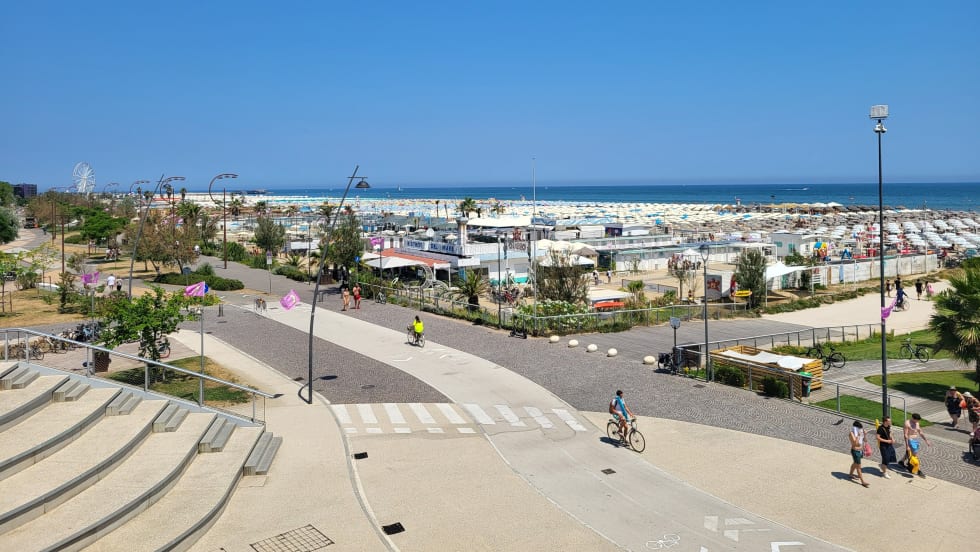
Velo-city Conference 2026: Latest Trends in Cycling as Part of Urban Mobility
The global cycling conference highlighted how cities are integrating bicycles into multimodal transportation networks, expanding cycle tourism and reshaping urban mobility.
Read More →
Kindness Isn’t Soft...It’s Strategic.
Mike Bismeyer — often known as “The Kindness Guy” — has spent more than 17 years in public transit and mobility, serving in industry leadership roles, speaking across North America, and advocating for stronger workplace cultures. But his message doesn’t come from theory. It comes from lived experience.
Read More →
Inside ITF 2026: Transport Reacts to A Challenging World
Transport leaders from around the world gathered in Leipzig, Germany, for the 2026 International Transport Forum to discuss resilience, climate impacts, supply chains and the future of sustainable mobility.
Read More →
Every Ride Tells a Story — But You’re Not Just Selling the Ride
You’re selling the moment, the meaning, and the emotion behind it.
Read More →
How Digital Signage is Reshaping the Traveler Experience at Transportation Hubs
What was once a landscape of static signs has evolved into a responsive, immersive environment powered by real-time visual communication.
Read More →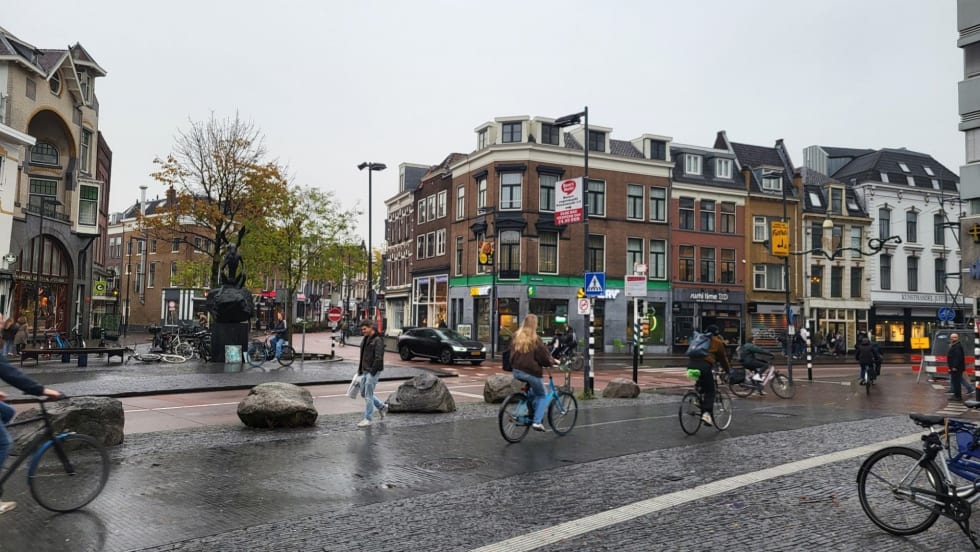
Latest Trends in Urban Mobility from Polis Conference 2025
Polis comprises cities and regions, as well as corporate partners, from across Europe, promoting the development and implementation of sustainable mobility. This year’s event had over a thousand attendees across various policy forums and an exhibition.
Read More →
Why Transit Leaders Require Better Tools for Operational Clarity In Today’s Tech-Fragmented Environment
Across North America and beyond, transit agency officials are contending with a perfect storm of operational headaches and strategic challenges that hamper daily service and long-term progress.
Read More →
The Powerless Brokers: Why California Can’t Build Transit
It is no secret that transit in the U.S. is slow and expensive to build.
Read More →
Why Transport Sustainability Should Focus on People Instead of Cars
Simply incentivizing electrification is not enough to make a meaningful impact; we must shift our focus toward prioritizing public transportation and infrastructure.
Read More →
Transit ROI & System Efficiencies Will Drive 'Big, Beautiful' Transit Funding
For many years, the narrative surrounding public transit improvements has been heavily weighted toward environmental gains and carbon reduction. While these are undeniably crucial long-term benefits, the immediate focus of this new funding environment is firmly on demonstrable system efficiencies and a clear return on investment.
Read More →