




We all love new technologies that make our lives easier to navigate daily, but we must not forget the human factor.
Transit isn't 'smart' unless it's equitable
Agencies need to remember the human factor when considering how to provide real-time transportation information to customers.
July 3, 2019
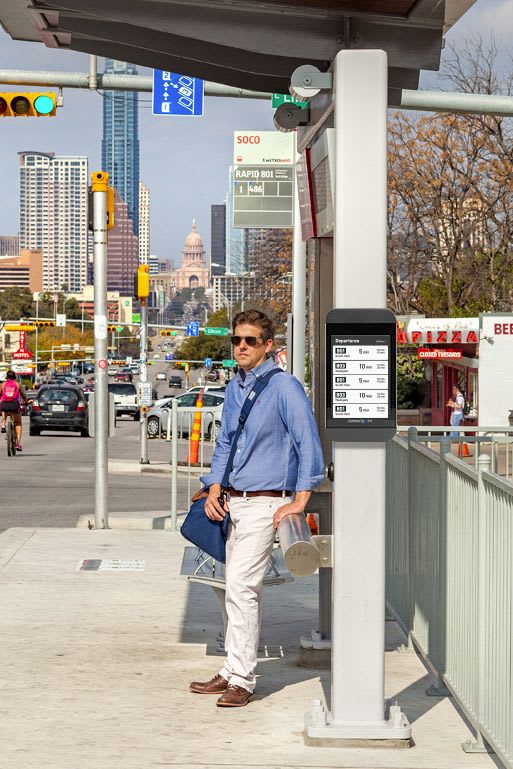
Cap Metro’s aim is to increase ridership by optimizing efficiency in this new transit center with sustainable, easy-to-read, real-time bus arrival, passenger information displays.
Connectpoint
3 min to read
Cap Metro’s aim is to increase ridership by optimizing efficiency in this new transit center with sustainable, easy-to-read, real-time bus arrival, passenger information displays.
Connectpoint
In the past couple of years there’s been an encouraging movement among cities and transit agencies to become technologically “Smart.” They are upgrading or implementing a digital ecosystem to improve communications and mobility for their customers. We all love new technologies that make our lives easier to navigate daily but we must not forget the human factor. If vital information is not available to all citizens, then how can a city truly call itself smart.
According the U.S. Census Bureau, “By 2035, there will be 78.0 million people 65 years and older compared to 76.7 million under the age of 18,” — let that sink in. The aging of baby boomers means that within just a couple of decades, older people are projected to outnumber children for the first-time in U.S. history. How does that affect transit? Excluding self-driving cars, microtransit and rideshare mobility services, seniors in their 70’s and 80’s will rely on buses and trains for transportation more than ever. Keeping transit easily accessible, efficient and economical is key.
TransitCenter states that 73% of riders 65 and older want real-time bus arrival information at the bus stop in addition to a mobile app. Why? It’s not because they aren’t mobile savvy, it’s a discerning income concern — smartphone plans are just too costly on a fixed income. In 2018 only 46% of 65 years and older owned a smartphone. (Pew Research) Seniors in suburban and urban areas say they would find transit more appealing if there were lower costs, and more real-time information about transit options, arrivals and departures.
Integrated, real-time, transportation information delivered by digital signage is becoming the new standard demanded by customers. But, even with this technology, let’s also keep in mind the human factor. There are hundreds of digital signage companies, choose wisely. Choose a digital signage company that has transit and wayfinding expertise. The spatial problem-solving behind expert wayfinding comes from years of critical, transit thinking.
For transit agencies considering how to deploy digital signage at transit stops, some of the questions agencies should start with is:
Where should it be deployed?
Can the signage be solar-powered so that it is not dependent on expensive electrical infrastructure?
Is the signage and remote software resilient so that it can continue to operate during power outages?
What will it cost?
How will it be supported?
Can the signs be supported remotely with a single content management system and offer flexibility so that an individual or groups of signs can be programmed with specific messages?
These questions can help transit agencies define a product specification that increases their customers’ satisfaction and safety and increases the resiliency of their infrastructure. Offering digital signage is an integral strategy for cities and transit agencies that can increase the equity of their digital investments and offer more convenient and effective delivery of transit information to their residents and riders.
Donna Amato is the director of marketing for Connectpoint Inc.
Subscribe to Our Newsletter
More Blog Posts
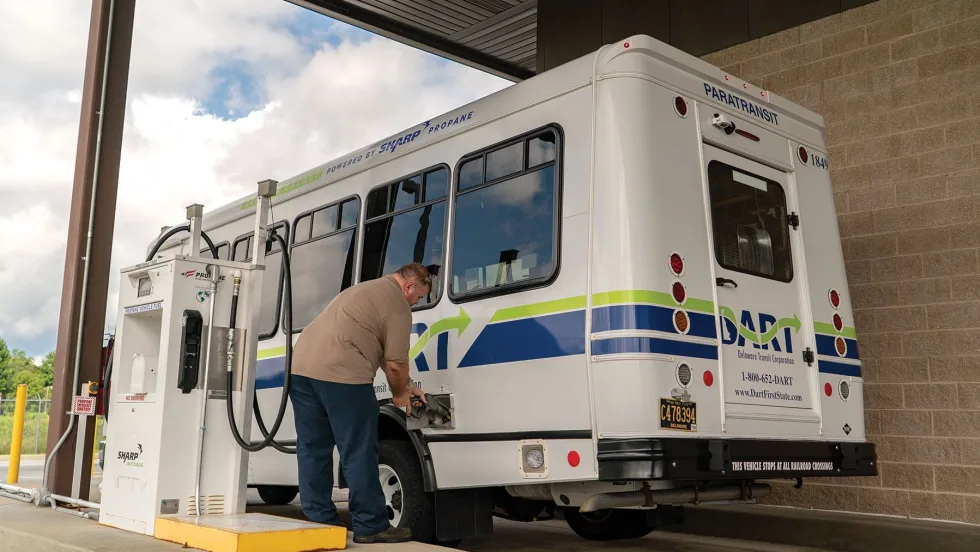
Building a Winning FTA Grant Proposal: Why Propane Autogas is the Pragmatic Choice for Fleet Resilience
With $610 million available through the FY 2026 Buses and Bus Facilities Competitive Program and the Low or No Emission Grant Program, agencies must build a compelling case before the September 21 deadline that balances environmental compliance with operational feasibility.
Read More →
Velo-city Conference 2026: Latest Trends in Cycling as Part of Urban Mobility
The global cycling conference highlighted how cities are integrating bicycles into multimodal transportation networks, expanding cycle tourism and reshaping urban mobility.
Read More →
Kindness Isn’t Soft...It’s Strategic.
Mike Bismeyer — often known as “The Kindness Guy” — has spent more than 17 years in public transit and mobility, serving in industry leadership roles, speaking across North America, and advocating for stronger workplace cultures. But his message doesn’t come from theory. It comes from lived experience.
Read More →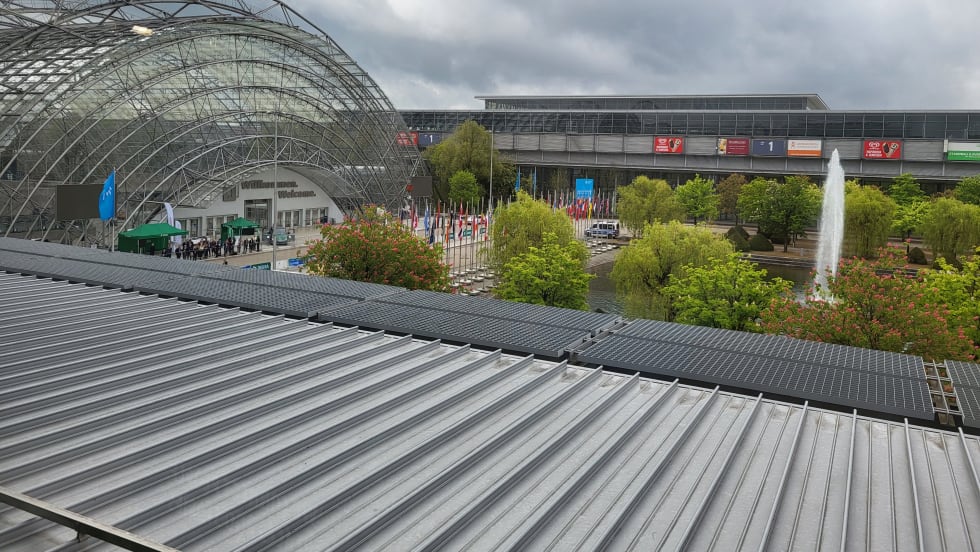
Inside ITF 2026: Transport Reacts to A Challenging World
Transport leaders from around the world gathered in Leipzig, Germany, for the 2026 International Transport Forum to discuss resilience, climate impacts, supply chains and the future of sustainable mobility.
Read More →
Every Ride Tells a Story — But You’re Not Just Selling the Ride
You’re selling the moment, the meaning, and the emotion behind it.
Read More →
How Digital Signage is Reshaping the Traveler Experience at Transportation Hubs
What was once a landscape of static signs has evolved into a responsive, immersive environment powered by real-time visual communication.
Read More →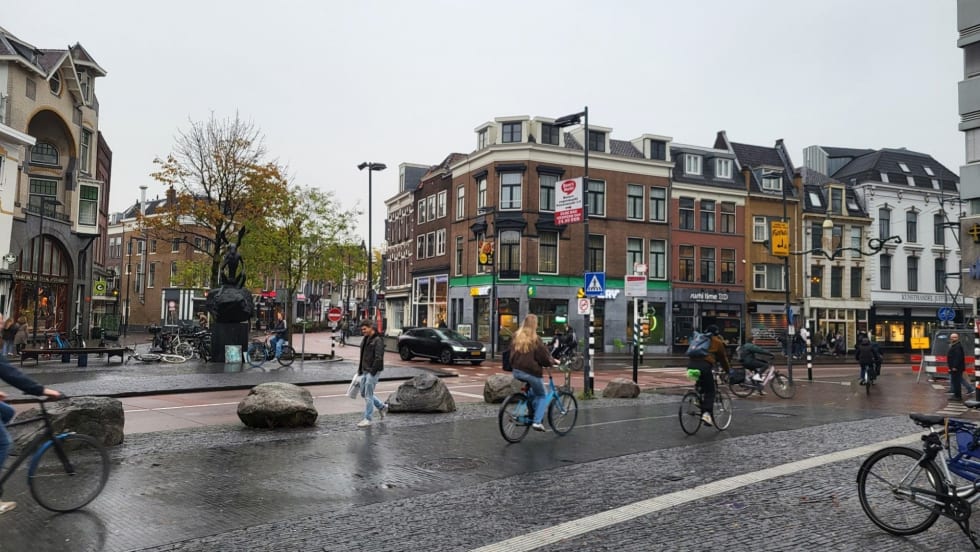
Latest Trends in Urban Mobility from Polis Conference 2025
Polis comprises cities and regions, as well as corporate partners, from across Europe, promoting the development and implementation of sustainable mobility. This year’s event had over a thousand attendees across various policy forums and an exhibition.
Read More →
Why Transit Leaders Require Better Tools for Operational Clarity In Today’s Tech-Fragmented Environment
Across North America and beyond, transit agency officials are contending with a perfect storm of operational headaches and strategic challenges that hamper daily service and long-term progress.
Read More →
The Powerless Brokers: Why California Can’t Build Transit
It is no secret that transit in the U.S. is slow and expensive to build.
Read More →
Why Transport Sustainability Should Focus on People Instead of Cars
Simply incentivizing electrification is not enough to make a meaningful impact; we must shift our focus toward prioritizing public transportation and infrastructure.
Read More →