



What If We Sold Transit Fares Like Cell-Phone Minutes?
How many cell-phone minutes do you pay for in a month? Or gigabytes of data? Are you on a family plan? Do you get a group discount from work? What does this even have to do with transit? If we think of a transit trip like we do a cell-phone minute (or megabyte) we start to realize that there are many ways to package our usage.

(This was originally published at MobilityLab.org by Mobility Lab contributor Adam Davidson a geography PhD candidate at the City University of New York and an urban planner.)
How many cell-phone minutes do you pay for in a month? Or gigabytes of data? Are you on a family plan? Do you get a group discount from work? What does this even have to do with transit?
If we think of a transit trip like we do a cell-phone minute (or megabyte) we start to realize that there are many ways to package our usage. While cell-phone plans have many flavors that pertain to many different types of users, public-transit fares tend to come in variations of just two flavors: single ride or unlimited.
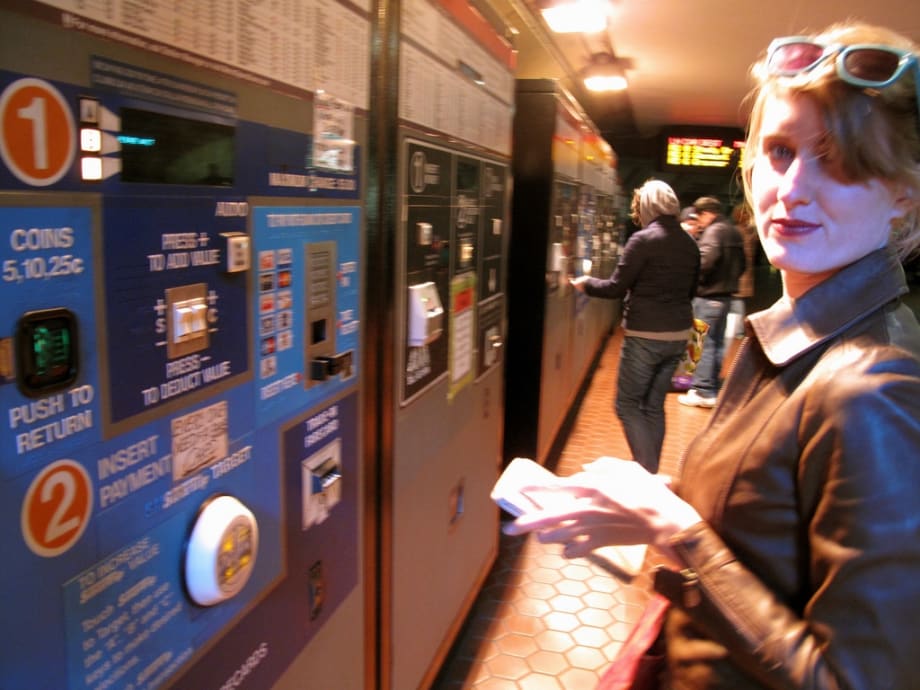
But, electronic-payment infrastructure, such as Smart Cards, can allow market segmentation that wasn’t possible with cash, token or paper fare media.
Governing bodies of transit agencies should adopt average fare revenue based on ridership projections rather than set actual fare prices. This will allow agencies and their marketers to create many price points based on other pricing models, such as the one used by the cell phone industry that was instrumental in encouraging the adoption of cell phones.
Doing so will allow customers to decrease their marginal costs by increasing their fixed costs. The result would be a more competitive transit trip and greater perceived value of the transit service.
The main hindrance to this system is political. The technology needed to make this work has been around for years now. However, fares are still set under models that were created when the token or travel ticket were the best methods available. Thus, when a fare is set by the government, they approve specific prices for specific journeys and passes with discounts broadly applied or only for specific protected classes of people. Instead of having government set the price, they should set a revenue goal that is based on average fare and ridership.
This arrangement would allow the transit agency to engage in market segmentation — a term implying that people who have different values for a service are charged differently for it. Thus a Wall Street banker could end up paying more to get to work than the janitor in the same office because they have different price-points and needs where they find value.
One way to accomplish this is to sell transit fares the way we sell cell-phone minutes. A customer (a term I differentiate from a rider, since it implies that the person has a choice in how they travel) could conceivably select from a matrix of needs like off-peak usage, the ability to trip chain, their frequency of use and their desire to share their plan with a family member. Promotions and bundling could also serve to attract customers (see examples in my presentation here in this Slideshare).
Smart Fares: What if we sold transit fares like cell phone minutes? from Mobility Lab
Ideally, the fare solicitation process would be overseen by the transit agency but managed by a third-party marketing and sales-force contractor. This agent would be responsible for creating, managing and adjusting pricing scenarios, staffing customer-service centers, and maintaining account portals on the Web, at kiosks and at key transit stations. What is critical here is that they are given an average fare target to meet, with incentives for meeting and improving their performance in terms of revenue, customer satisfaction and social equity.
However, emulating cell phone plans is just one direction that pricing models could go. The main point is that transit agencies should be freed from the political restriction of mandated prices, and instead, be given incentives to innovate and grow their customer support via flexible pricing that meets revenue targets.
Current technology can support this kind of service and experimentation. Pilot projects could begin right away between transit agencies with supportive fare infrastructure and marketers to test such new pricing matrices.
In a successful program, Smart Fares would achieve multiple goals:
Transit would be able to compete more directly with car travel at the point of decision due to decreased marginal costs, while sunk costs would encourage a boost in ridership and revenue.
This system would encourage the view that transit riders should be treated as customers rather than users, a distinction which implies that they have a choice when they travel.
Equity can be enhanced as the transit dependent could be actively encouraged to find value in a plan that fits their needs, and special pricing could still be targeted to them.
As our transportation infrastructure evolves, so should our payment infrastructure.
Smart fares supported by a revenue-based — rather than a price-based — fare policy can allow this innovation to move forward, thus enhancing our public transit systems and all the benefits that they provide.
In case you missed it...
Read our METRO blog, "Operator training: Mastering right turns."
More Blog Posts
Building a Winning FTA Grant Proposal: Why Propane Autogas is the Pragmatic Choice for Fleet Resilience
With $610 million available through the FY 2026 Buses and Bus Facilities Competitive Program and the Low or No Emission Grant Program, agencies must build a compelling case before the September 21 deadline that balances environmental compliance with operational feasibility.
Read More →
Velo-city Conference 2026: Latest Trends in Cycling as Part of Urban Mobility
The global cycling conference highlighted how cities are integrating bicycles into multimodal transportation networks, expanding cycle tourism and reshaping urban mobility.
Read More →
Kindness Isn’t Soft...It’s Strategic.
Mike Bismeyer — often known as “The Kindness Guy” — has spent more than 17 years in public transit and mobility, serving in industry leadership roles, speaking across North America, and advocating for stronger workplace cultures. But his message doesn’t come from theory. It comes from lived experience.
Read More →
Inside ITF 2026: Transport Reacts to A Challenging World
Transport leaders from around the world gathered in Leipzig, Germany, for the 2026 International Transport Forum to discuss resilience, climate impacts, supply chains and the future of sustainable mobility.
Read More →
Every Ride Tells a Story — But You’re Not Just Selling the Ride
You’re selling the moment, the meaning, and the emotion behind it.
Read More →
How Digital Signage is Reshaping the Traveler Experience at Transportation Hubs
What was once a landscape of static signs has evolved into a responsive, immersive environment powered by real-time visual communication.
Read More →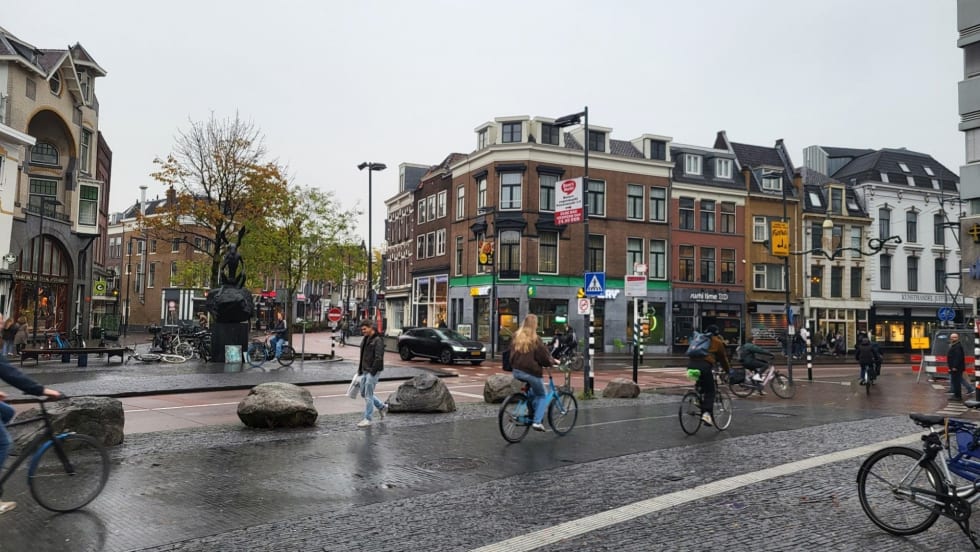
Latest Trends in Urban Mobility from Polis Conference 2025
Polis comprises cities and regions, as well as corporate partners, from across Europe, promoting the development and implementation of sustainable mobility. This year’s event had over a thousand attendees across various policy forums and an exhibition.
Read More →
Why Transit Leaders Require Better Tools for Operational Clarity In Today’s Tech-Fragmented Environment
Across North America and beyond, transit agency officials are contending with a perfect storm of operational headaches and strategic challenges that hamper daily service and long-term progress.
Read More →
The Powerless Brokers: Why California Can’t Build Transit
It is no secret that transit in the U.S. is slow and expensive to build.
Read More →
Why Transport Sustainability Should Focus on People Instead of Cars
Simply incentivizing electrification is not enough to make a meaningful impact; we must shift our focus toward prioritizing public transportation and infrastructure.
Read More →